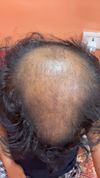
A user shared a 3-month hair regrowth progress using minoxidil and microneedling. They also use rosemary oil and plan to continue treatment for at least 6-9 more months.
The conversation discusses hair loss treatment results after 5 months using Minoxidil, microneedling with a 1mm length every 5 days, Tretinoin (0.0025%), and Nizoral. The user noticed an increase in hair density.
Topical Dutasteride 0.05% twice a week and Dutasteride Mesotherapy 0.01% once a week showed noticeable improvement in hair loss over six months without side effects. The user plans to add Minoxidil tablets 2.5mg daily to their treatment.
A user shared their positive 4.5-month hair regrowth experience using Minoxidil, finasteride, a caffeine shampoo with rosemary oil, a dermaroller with Nizoral, and pumpkin seed oil capsules. They started treatment due to accelerated hair loss and are now seeing no hair fall during shampooing.
The post and conversation discuss different methods of applying hair loss treatments directly to the scalp. The original poster suggests using a 1ml TB Syringe & Ophthalmic Cannula for precise application, while others share their own methods, including sprays, droppers, and simple syringes.
A user is making a topical finasteride solution with 0.01% finasteride, 50% ethanol, 15% glycerine, and 35% water, but it doesn't adhere well to the scalp. They seek advice on improving the mixture's consistency without taking oral pills.
A 22-year-old male is using minoxidil, finasteride, and microneedling for hair regrowth, and users are optimistic about the progress, suggesting continued consistency for better results. Some users mention personal experiences with similar treatments, noting varying levels of success.
A 41-year-old man shared his 3-month hair regrowth progress using 5% minoxidil and weekly microneedling. He applies minoxidil nightly and uses a topical mix of coffee, olive oil, rosemary oil, and vitamin oil after morning microneedling.
A 24-year-old is using 5% topical minoxidil once daily, 1mg finasteride daily, and a derma stamp weekly for hair thickening. Users advise patience, caution with the derma stamp, and suggest waiting longer to see significant results.
The conversation discusses hair regrowth treatments using finasteride, minoxidil pills, and topical minoxidil, with a focus on the use of a 1.5mm derma roller. Users advise caution with derma rolling, suggesting smaller needle sizes and longer intervals between sessions to avoid skin damage and systemic absorption of minoxidil.
The "crunching" sound during microneedling is likely the needles penetrating the scalp's outer layers, not cutting hair. Users suggest using a derma stamp instead of a roller to avoid potential hair damage.
The conversation discusses hair regrowth results using dutasteride, minoxidil, and dermarolling over six months. OP reports significant improvement, especially in the temples, by derma-rolling frequently and applying minoxidil afterward.
A user purchased an expensive hair loss treatment called Follicopeptide, which many others in the conversation believe to be a scam, suggesting instead the use of proven treatments like minoxidil and finasteride. Some users report positive effects from Follicopeptide, but skepticism remains high due to lack of transparency about its ingredients and the company's credibility.
The user has tried various treatments for hair loss, including finasteride, dutasteride, and oral minoxidil, but is considering a hair transplant due to insufficient progress. Some users suggest that the treatments have at least stabilized hair loss, and recommend consulting clinics for a potential hair transplant while continuing medication.
The user has been using oral finasteride, topical minoxidil, and a dermaroller for hair regrowth, noticing most improvement between months 3 and 4. Other users commented on the positive results and shared their own treatment routines.
The user has been using oral finasteride, topical minoxidil, a derma roller, and root activating shampoo for hair regrowth, seeing positive results without side effects. They apply minoxidil after using a 1.5mm derma roller and are considering switching to ketoconazole shampoo.
A 47-year-old used finasteride and minoxidil for a year without results and is concerned about whether it's too late to regrow hair. Another user suggests continuing the treatments and adding microneedling for potentially better results, emphasizing patience.
A 24-year-old male is considering a hair transplant after unsuccessful attempts with oral minoxidil, topical finasteride, ketoconazole shampoo, and lifestyle changes. He believes smoking and caffeine may worsen his hair loss and is looking into hair fibers for temporary coverage.
Dermastamp is preferred for hair growth and skin health due to fewer scars, with recommended needle sizes of 0.5-1.5mm. Dermapen is also favored over dermarollers, which are considered dangerous.
Adding a daily scalp massage with an acupressure device before applying minoxidil can enhance its effects by improving blood circulation, with no side effects. Users are advised to continue microneedling weekly and consider using a derma stamp to avoid scarring.
The user shared their experience with hair regrowth using a natural approach, including a good diet, multivitamins, pumpkin seed oil, and scalp massages, without using minoxidil or finasteride. They emphasize this method for those with stabilized hair loss around Norwood 1.5 - 2, noting satisfactory progress over a year.
The user shares their hair loss treatment routine, which includes topical minoxidil, botana oil, coconut moisturizer, derma stamping, derma rolling, 3% salicylic acid shampoo, and scalp massage. Suggestions include adding finasteride, switching to 2% ketoconazole shampoo, and using rosemary oil instead of botana oil.
A 31-year-old male experiencing hair thinning since age 25-26 uses minoxidil, finasteride, a red laser cap, and microneedling to promote hair growth. Users suggest reducing microneedling frequency to once a week to avoid damaging hair follicles.
The user is experiencing positive results in hair regrowth using a topical spray with minoxidil and finasteride, along with rosemary and pumpkin seed oil, and derma rolling. They note the importance of patience in the process.
The user shared their hair regrowth routine, which includes Minoxidil, derma rolling, Nizoral shampoo, pumpkin seeds, PRF sessions, and rosemary oil, with plans to add multivitamins, rice water, and exosomes. They hope to avoid using finasteride unless necessary, preferring natural alternatives like pumpkin seeds and saw palmetto for DHT control.
A 42-year-old user shared positive results from using oral and topical Minoxidil, Finasteride, and weekly dermarolling for hair regrowth over three months. The community responded positively, noting significant progress and discussing treatment details and concerns.
The user experienced significant hair regrowth using oral minoxidil and dutasteride over several months. Many commenters praised the progress and suggested additional treatments like microneedling for further improvement.
A 23-year-old male experiencing severe hair loss stopped treatments for a year and is considering a hair transplant. Suggested treatments include Minoxidil, finasteride, and RU58841.
A 34-year-old male shares his hair regrowth journey using Minoxidil Max Dual Gen with topical finasteride, hair oil, derma rolling, and nizoral shampoo, emphasizing persistence and consistency. Despite some skepticism about lighting and treatment effectiveness, he reports significant progress over 12 months.
A 30-year-old male reports reduced shedding and positive progress in hair regrowth after nearly three months of using topical finasteride and minoxidil daily, along with derma rolling twice a week. He also takes supplements like pumpkin seed oil, biotin, multivitamins, and fish oil.