Search
for
Sort by
Community Join
780-810 / 1000+ resultscommunity 6.5 months on fin, 8 months on Min and RU. Nizoral twice a week. Crown finally showing signs of improvement. First 5 are before, last 3 are present.
The user has seen improvement in their hair loss after 6.5 months on finasteride, 8 months on Minoxidil and RU58841, and using Nizoral twice a week. Commenters suggest adding microneedling to the treatment regimen for potentially better results.
community 2 weeks on Oral Minoxidil (loniten). 1.25mg/day
The user has been taking oral Minoxidil (1.25mg/day) for two weeks to treat hair loss, has experienced no side effects, and plans to increase the dose to 2.5mg/day after another two weeks. They are also monitoring their blood pressure and have not noticed any negative interactions with their pre-workout supplements.
community Feeling hopeless even on nuclear stack
The user feels hopeless about hair loss despite using finasteride, dutasteride, minoxidil, and RU58841, and having a hair transplant. They are advised to maintain consistency in treatment, consider increasing dutasteride dosage, and explore topical solutions for better results.
community xyon Fin progress photos - 9 months progress
User applied Xyon fin topical gel daily, used Augstinus Bader shampoo, conditioner, and scalp treatment, and applied argan oil twice a week. No Minoxidil, no dermarolling, and no side effects were reported.
community RU55481
The conversation discusses using RU58841, a research chemical, for hair loss treatment. The user plans to use it due to side effects from finasteride and minoxidil, despite skepticism about its effectiveness and lack of FDA approval.
community finasteride and minoxidil popularity from 2004-now in google trends.
community My Near-Nuclear Stack is Saving me; Hyperresponder?
An 18-year-old is using a high-dose hair loss treatment regimen including finasteride, minoxidil, dutasteride, and plans to add RU58841 and bimatoprost, despite warnings from others about the risks. The user is determined to reverse hair loss but acknowledges the potential dangers and does not recommend others follow their approach.
community ~3 Mo on oral 0.5 dut + 2.5minox
The user started taking oral 0.5 mg dutasteride and 2.5 mg minoxidil daily since July 9. After about three months, they report positive progress in hair regrowth, with others agreeing it looks good.
community Trust the process guys. Duta 0,5mg and 5mg oral minox for a year. Hair and beard.
The user experienced significant hair and beard regrowth using 0.5mg dutasteride and 5mg oral minoxidil over a year, despite initial shedding. They reported no major side effects, except for increased body hair growth.
community 14-month update - dut, min, niz, 1.5mm roller.
A user shared a 14-month hair loss treatment update using dutasteride, minoxidil foam, a 1.5mm derma roller, and Nizoral, with noticeable hair regrowth and no side effects. The discussion highlights the effectiveness of microneedling in combination with topical treatments, with many users agreeing it significantly enhances results.
community 11 months oral fin + min capsule
The user has been using a daily capsule containing 1mg finasteride and 2.5mg minoxidil for 11 months, with noticeable regrowth on the crown but minimal improvement on the hairline. They experienced no significant side effects and plan to continue the treatment long-term.
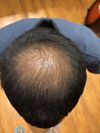
community Day 1: starting out
The user is starting a hair loss treatment regimen using Minoxidil, finasteride, and RU58841. They shared a progress picture from the beginning of their treatment.
community The Biggest Concern That I Have For Oral Minoxidil: Cardiac Hypertrophy
Oral minoxidil can cause serious heart issues like cardiac hypertrophy and arrhythmias, prompting some users to reduce dosage or switch to topical treatments. Despite significant hair regrowth, side effects such as shortness of breath and chest pains are common concerns.
community 2 months of RU after 2 years of fin and OM ED
The user was using 1mg finasteride daily and oral minoxidil 2.5mg daily for two years, then added RU58841 to their routine two months ago and is asking for opinions on any changes in hair growth. They provided progress pictures without dermarolling and maintained consistent lighting for comparison.
community Crown recovery - almost fully back. November 2024 to now
A 29-year-old shared their crown hair recovery using a daily liposomal topical solution of finasteride and minoxidil, low-level light therapy, and specific vitamins, noting significant improvement without side effects. They experienced issues with oral finasteride previously but not with the topical treatment.
community Skin Aging and Minox
community I fought the reaper, and won!!
A user shared their successful hair regrowth journey using oral minoxidil, dutasteride, and eucapil, with additional benefits from MTF hormone replacement therapy. They advised consulting specialists and considering individual responses to treatments.
community Alfatradiol to combat hair loss
Hair loss discussion includes treatments Minoxidil, Finasteride, and RU58841. Alfatradiol is suggested as another potential solution.
community My eyelashes and eyebrows on oral min
User Crazy-Signature930 shares progress on oral minoxidil for eyelashes and eyebrows. Others comment on the impressive results and ask about side effects and duration of use.
community 1year progress, just need honest response from you
The user is considering changing their hair loss treatment from topical minoxidil and oral finasteride to oral minoxidil and oral dutasteride, with suggestions to add microneedling and possibly red light therapy. They are also exploring the addition of a caffeine and adenosine mix to their regimen.
community Making own RU58841 scalp lotion
community Starting fin / minoxidil progress so far
community FFS, This is the reason why I love this community
A 22-year-old is frustrated with friends and family's dismissive attitudes towards hair loss and finds support and hope in an online community. They have not yet treated their hair loss but are considering medications like minoxidil and finasteride.
community 3 months progress picture 18m 1mg fin daily
community Thinking about RU58841
OP experienced side effects from finasteride and is considering trying RU58841 for hair loss, while currently using minoxidil, Stemoxydine, a dermapen, and Nizoral. Another user shared positive results with RU58841, noting no side effects and maintained hair thickness after stopping its use.
community The people this data actually matters for aren't talking about efficacy numbers
Oral minoxidil can cause cardiovascular issues, but an extended release formulation may reduce side effects like heart rate and blood pressure spikes. This new formulation offers a safer option for those who previously had to stop due to health concerns.
community Growth Update on Crown - Fin & Min
The user shared progress pictures of their hair growth after using finasteride, oral minoxidil, and undergoing a hair transplant with 4,200 grafts in Istanbul. They reported thicker hair and noticeable crown regrowth, with no side effects from the treatments.
community A little thing to cheer you up for the New Year... (2024)
The conversation is about coping with hair loss and using treatments like finasteride, minoxidil, derma-rolling, RU58841, and hair transplants or systems. The main message is to do your best with available treatments and not let hair loss prevent you from enjoying life.
community Peter h diamandis Dr David Sinclair podcast
Hair loss treatments discussed include Minoxidil, finasteride, and RU58841. There is skepticism about claims of a breakthrough, despite FDA approval for human trials.