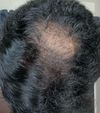
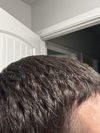
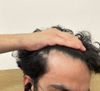
The user has been using finasteride for over a year without improvement and recently started oral minoxidil. Suggestions include trying dutasteride and continuing minoxidil for potential regrowth.
The user experienced mental side effects from oral finasteride, such as brain fog and low mood, and switched to topical finasteride combined with minoxidil. They are monitoring mental clarity and hair progress after stopping oral finasteride.
The user has been using a minoxidil and finasteride topical solution for 1.5 years without improvement and recently added oral finasteride but still experiences significant hair shedding. Other users suggest trying dutasteride, as some have switched from finasteride to dutasteride with fewer side effects, while others discuss dosage strategies and the effectiveness of topical versus oral treatments.
A user is creating a homemade topical solution by dissolving finasteride pills in Kirkland minoxidil to reduce side effects from oral finasteride. They report slowed hair loss and some regrowth but are unsure if the results are due to minoxidil or finasteride.
Finasteride has led to significant hair regrowth for some users, with noticeable improvements in two months, but side effects like erectile dysfunction have caused some to stop using it. Some users combine finasteride with minoxidil and other supplements, despite concerns about side effects.
The user experienced severe scalp itching and hair loss while on dutasteride, which they linked to caffeine and masturbation. They plan to cut out both to see if their hair density improves.
A 25-year-old uses oral minoxidil, dutasteride, and a shampoo with minoxidil and ketoconazole for hair loss, experiencing progress and increased body hair. Users discuss the effectiveness of these treatments, with some suggesting that dutasteride is primarily responsible for hair thickening.
A user is seeking advice on creating a topical solution combining minoxidil, finasteride, and tretinoin for hair loss, and is unsure about optimal concentrations and availability. Another user shares their custom formula with tretinoin 0.015%, finasteride 0.025%, and minoxidil 5%, and mentions taking oral dutasteride 0.25mg daily.
A 27-year-old male experiencing hair loss at Norwood 3 level has tried minoxidil and finasteride but stopped finasteride due to side effects. He is exploring alternatives like Dermapen, Regenepure DR Shampoo, saw palmetto, and considering aromatase inhibitors for managing side effects, while also seeking advice on DHT blockers.
The conversation discusses a user's hesitation to start dutasteride for hair loss while already using finasteride, minoxidil (both oral and topical), RU58841, and ketoconazole shampoo. The user plans to gradually transition from finasteride to dutasteride to minimize shedding, seeking advice and reassurance from others.
Finasteride may be sufficient for diffuse thinning, but dutasteride is generally considered more effective, with a higher chance of hair growth. Adding oral minoxidil can improve results, though some users report side effects.
User has been using topical finasteride and minoxidil for a year, seeing regrowth only on the hairline, not the crown. They also use keto shampoo, rosemary oil, and microneedle weekly, and are considering switching to oral treatments.
An 18-year-old shares their successful hair regrowth journey using finasteride 1mg daily, topical minoxidil twice a day (mixed with tretinoin 0.025% at night), ketoconazole shampoo 2-3 times a week, and occasional dermarolling. They report no side effects and emphasize the importance of consistency and early intervention.
OP saw impressive hair regrowth using 0.25% Finasteride and 5% Minoxidil foam after trying dermarolling and castor oil with no success. OP asks for advice and questions the necessity of dermarolling.
Dutasteride is often more effective than finasteride for blocking DHT, but results vary and some may experience side effects. Combining minoxidil with either medication can improve hair regrowth, but switching doesn't guarantee better results for everyone.
A user shared their progress after using a topical treatment combining 5% Minoxidil and 0.1% Finasteride for two months to address hair loss at the temples. They apply 5ml nightly without side effects and plan to switch to a different brand soon.
Switching from oral to topical dutasteride may reduce side effects like anxiety and depression while maintaining hair health. Combining it with minoxidil, Nizoral, and dermarolling could be effective for hair preservation.
A user's positive experience with finasteride for hair loss treatment, and another user's experience with minoxidil. They discuss the potential side effects of finasteride and the success they have had in regrowing baby hairs after several months of use.
A 25-year-old is using a combination of oral minoxidil, finasteride, RU58841, and topical dutasteride mixed with minoxidil to combat hair loss and hopes to see regrowth. They plan to update on the effectiveness of this regimen in a few months.
A user shared their successful hair loss treatment using RU58841, topical minoxidil, and microneedling, noting significant improvement over three months. They chose RU58841 over finasteride due to personal preference and reported no side effects, while others discussed their experiences with different treatments and supplements.
Significant hair regrowth was achieved using oral finasteride 1mg, oral minoxidil 5mg daily, ketoconazole shampoo, and dermarolling. It is advised to continue this regimen for 12-18 months before considering any changes.
A 23-year-old male experienced good hair growth and increased self-confidence after 10 months of using oral finasteride (1.25mg) and topical minoxidil (5% twice a day), despite no decrease in hair shedding. He also used 1mm microneedling monthly and reported minor side effects like forgetfulness.
The conversation discusses a topical formula for hair loss including Finasteride (0.025%), Minoxidil (0.5%), Tretinoin (0.01%), Caffeine (0.005%), Melatonin (0.003%), Tea Tree Oil (0.05%), Aloe (0.05%), Biotin (0.05%), and Fagron TrichoXidil (2.5%). The user considers removing Minoxidil and Tretinoin to test TrichoXidil's effectiveness.
The conversation discusses using scalp antiandrogens like RU58841, pyrilutamide, or fluridil on the face to reduce sebum production, noting that clascoterone (winlevi) is an approved facial antiandrogen with underwhelming reviews.
The user reports using topical minoxidil 6% and finasteride 0.05% once daily, along with microneedling, vitamins, biotin, and nizoral shampoo. They recently increased minoxidil and finasteride to twice daily and feel their hair is thicker but are unsure about regrowth.
RU58841, combined with 5% minoxidil, helped reduce acne and hair loss. Users discussed using RU58841 cream for acne and shared experiences with other treatments like finasteride and dutasteride.
After five years of no progress with hair regrowth using oral finasteride and topical minoxidil, a person switched to a combination of topical dutasteride, minoxidil, tretinoin, ketoconazole, and hydrocortisone in November 2023 and finally saw results. They had previously experienced side effects like gynecomastia from finasteride.
The conversation is about someone who has been using finasteride and minoxidil for over three years without satisfactory results for hair thinning. They have started using dutasteride and added RU58841 seven months ago but have not seen improvements yet.
A user shared progress pictures after 40 days of using topical finasteride, minoxidil, and KX-826 following a hair transplant. They previously used Polaris NR-11, which contains finasteride and minoxidil, and experienced significant hair regrowth.
The user has been using minoxidil for hair loss and is considering trying a compounded topical treatment with 0.1% dutasteride, minoxidil, tretinoin, collagen, and silicon, as recommended by a trichologist. They learned that dutasteride might be more effective than finasteride and are seeking opinions on the use of topical dutasteride.