Search
for
Sort by
Community Join
750-780 / 1000+ resultscommunity Using liquid cetirizine as a topical?
The conversation discusses using liquid cetirizine as a topical treatment for hair loss. It mentions Minoxidil, finasteride, and RU58841 as other treatments.
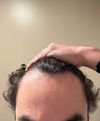
community M20 with Hair Loss - Clascoterone an Option?
A 20-year-old is experiencing hair thinning and is considering Clascoterone and Minoxidil as treatments, avoiding finasteride due to concerns about fertility and hormones. A suggestion was made to use Clascoterone for local DHT targeting and combine it with Minoxidil for maintenance and regrowth while avoiding systemic side effects.
community Dutasteride+finasteride? More effective?
community 31, Month 1 vs month 3 of treatment, Min 5% topical 2x daily, Fin oral 0.625mg 1x daily
A 31-year-old experienced significant hair regrowth using Minoxidil 5% topical twice daily and Finasteride 0.625mg daily, with additional microneedling. The user reported initial shedding, improved hair thickness, and no major side effects, impressing their dermatologist with the results.
community Before & after for 3 months of minoxidil & 6 months of finasteride/minoxodil/tretinoin
A 36-year-old experienced significant hair regrowth using minoxidil, finasteride, and tretinoin with minimal side effects. He plans to continue the treatment, hoping for more targeted solutions in the future.
community 4.5 months on topical fin (0.025% liposomal)
Hair loss progress discussed with 4.5 months on topical fin (0.025% liposomal). User uses rosemary oil for scalp health, and others think there might be some thickening or maintenance.
community 1 year long Dutasteride shed finally working itself out
community Concerned About 5 mL Minoxidil Dose for Seborrheic Dermatitis
The conversation is about a user concerned about a prescribed 5 mL daily dose of 5% minoxidil for seborrheic dermatitis and hair thinning, which seems excessive compared to the typical 2 mL recommendation. The user is advised to consult their dermatologist and consider additional treatments like ketoconazole and CBD+MCT.
community Minoxidil 2.5mg finasteride 1mg 2 months in
community Is it okay to simultaneously use Min and Betamethasone?
A user with seborrheic dermatitis uses Ketoconazole 2% and Betamethasone and is considering starting Minoxidil for thinning hair. They are concerned about using Minoxidil and Betamethasone simultaneously.
community 1 year fin/min topical .3/6% results once a day
The user shared progress pictures after using a topical treatment of 0.3% finasteride and 6% minoxidil once a day for a year, noting improvement in the front but needing suggestions for the crown. They confirmed using a product from Hims.
community Month 2.5 redo. Topical fin/min microneedling once a week.
A user who initially had positive results with oral finasteride, topical minoxidil, and microneedling for hair loss, but experienced side effects like fog and depression. After stopping and losing progress, they restarted with topical treatments and microneedling, reporting good results and no side effects.
community Current progress pics and is there anything i should change in my routine
The user is using topical finasteride 0.1%, minoxidil 5% twice daily, red light therapy, a multi-peptide serum, and a weekly oil hair mask with various oils and ingredients. They also use ketoconazole shampoo, condition their hair, and microneedle with a dermapen, seeking advice on any changes to their routine.
community RCP (redensyl, capixyl, procapil) combination over minoxidil long term?
The conversation discusses using a combination of redensyl, capixyl, and procapil (RCP) for hair loss, with some users also mentioning minoxidil and finasteride. Users shared mixed experiences, with some suggesting "RevivHair Max Hair Stimulating Serum" for better results, while others reported no noticeable effects from using products like The Ordinary Multi-Peptide Serum.
community 7.5 Months on Min + Fin — Progress Pics + Questions (Crown, Temples, Folliculitis)
The user has been using minoxidil and finasteride for 7.5 months to address hair thinning, particularly at the crown and temples, and is considering additional treatments like tretinoin and dermastamping despite having chronic scalp folliculitis. They are experiencing progress but are concerned about side effects and the effectiveness of treatments on temple regrowth.
community Anyone switch topical minoxidil to oral and stay on it for over a year?
Someone switched from topical minoxidil to oral minoxidil and found it more effective and convenient, reporting improvements in hair, eyebrows, eyelashes, and beard without scalp issues. They are seeking long-term experiences from others who made the same switch.
community Seb derm & ru: after quitting ru for a week after 2+ years of use, my scalp is itching a lot less
Quitting RU58841 after over two years reduced scalp itching and inflammation, despite concerns about losing hair gains. The user continues using finasteride and oral minoxidil.
community Oral minoxidil and lowering the dose?
The user is experiencing significant hair regrowth with 5 mg oral minoxidil and 1 mg finasteride but also side effects like eye puffiness and hypertrichosis. They are considering reducing the minoxidil dose to 2.5 mg to lessen side effects and are curious about caffeine serums for eye puffiness.
community Topical Finasteride (0.25%) with Minoxidil (8%) - 8 Month Progress
The user reported significant hair growth after 8 months using a topical solution of 0.25% Finasteride and 8% Minoxidil, with no side effects. They also performed micro-needling and took multivitamins.
community KX-826+Minoxidil Outperforms Minoxidil Alone for AGA Treatment: 30+ New Hairs/cm² (24 Weeks, P=0.0075)
KX-826 combined with minoxidil significantly increases hair growth compared to minoxidil alone for treating male androgenetic alopecia, with no unexpected safety concerns. Users discuss various hair loss treatments, including KX-826, minoxidil, finasteride, and RU58841, sharing personal experiences and sourcing information.
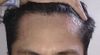
community M31. Should i continue with min + tretinoin or i should go for a HT on the temples?
The user is using dutasteride, oral minoxidil, and topical minoxidil with tretinoin for hair loss. They are considering whether to continue this treatment or opt for a hair transplant for their temples.
community Can topical Minoxidil use backfire if you’re a non-responder?
The user has been using finasteride successfully to stop hair shedding and is considering using topical minoxidil for regrowth but is concerned about being a non-responder and potential negative effects. They are cautious about using oral minoxidil due to past heart issues and are exploring other methods like tretinoin cream and dermarolling, though they worry about possible skin damage.
community ~1 year results of 0.5mg finasteride and 2.5mg oral minoxidil
community Facial hair loss
User noticed beard and sideburn hair loss, and thinning eyebrows, diagnosed with alopecia barbae and male pattern baldness, and prescribed Desonide cream. User seeks feedback on Desonide cream.
community Clascoterone vs fluridil, and using them with minoxidil
The user is considering minoxidil, clascoterone, and fluridil for hair loss, avoiding finasteride and RU58841. They are also contemplating a hair transplant and exploring the resilience of transplanted hair without finasteride.
community Started my Minoxidil + Redensyl + Ketoconazole + Microneedling Journey
The user is starting a new hair loss treatment routine with Minoxidil, Redensyl, Ketoconazole shampoo, and microneedling. They are avoiding finasteride due to potential side effects and are considering future treatments like pyrilutamide.
community 5 months on Dutasteride and 7 months of oral Minoxidil
The user switched to dutasteride in October 2023 and began taking oral minoxidil in June 2023, after using topical minoxidil for two years and microneedling for a year. They stopped using RU58841 due to side effects and are considering adding topical finasteride.
community Ulo 0.005% finasteride, 4 month update; no results
The user applied 0.005% topical finasteride, minoxidil, tretinoin, caffeine, and ketoconazole shampoo for four months but saw no hair regrowth. Some users suggested increasing the finasteride dose or trying alternative treatments like clascoterone, pyrilutamide, or RU58841.
community Topical Minoxidil is a pain in the ass for diffuse thinners
Topical minoxidil being a difficult product to apply, with users considering finasteride, RU58841, and oral minoxidil as alternative treatments for diffuse thinning hair. Other advice includes shaving the head in the first 3 months of using minoxidil and finding ways to apply it without saturating the hair.