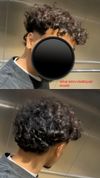
The user started dutasteride and oral minoxidil but saw no improvement in crown hair regrowth. Users suggest increasing the minoxidil dose and seeking a second opinion.
Veradermics' new hair loss treatment, VDPHL01, is likely a modified release oral minoxidil, which has received $75 million in funding for clinical trials. Despite skepticism about investing in a known treatment, some believe it could offer improved efficacy and reduced side effects.
Minoxidil's effectiveness varies due to genetic differences in the SULT1A1 enzyme, affecting how well it converts to its active form, minoxidil sulfate. Hyper-responders may experience rapid hair growth and increased side effects, such as pericardial effusion, even at low doses.
A user named Mmherak is experiencing hair loss, with low B12 and iron deficiency, and has been recommended minoxidil and spironolactone by dermatologists. Other users suggest seborrheic dermatitis or dandruff, recommending treatments like Nizoral shampoo, ketoconazole, and Selsun Blue.
The conversation discusses using a dermapen for microneedling to treat hair loss, with specific mention of using Minoxidil, Finasteride, Dutasteride, RU58841, KX-826, and other topicals. The user experienced side effects like palpitations and itching after microneedling and applying these treatments.
The user reported significant hair regrowth after seven months using topical minoxidil 5% combined with 0.1% finasteride and weekly micro needling. The community responded positively, noting visible improvement and discussing the effectiveness of topical versus oral finasteride.
The user documented hair regrowth progress over 8 weeks using Minoxidil foam twice daily and weekly microneedling. Another user suggested adding finasteride for better results.
The user is experiencing hair loss with symptoms of receding hairline, extreme shedding, and low density, possibly due to androgenic alopecia, diffuse thinning, retrograde alopecia, or telogen effluvium. They have used minoxidil and noticed changes in shedding patterns related to different water qualities and seborrheic dermatitis.
The user reported significant hair regrowth after 2.5 months using 2.5 mg oral Minoxidil daily and 0.5 mg Dutasteride three times a week, along with betamethasone for scalp inflammation. They experienced minor side effects and are considering microneedling.
A user shared progress pictures after using finasteride, minoxidil, dermastamping, and RU58841 for hair loss, showing significant improvement. The conversation includes positive feedback, concerns about RU58841's safety, and questions about side effects.
The user experienced significant hair thickening and temple hair growth after one year of using finasteride, minoxidil, and weekly dermarolling. They are considering asking their dermatologist about dutasteride.
A 25-year-old male is experiencing worsening hair loss after 3 months of using topical minoxidil, finasteride, and Redensyl, with users suggesting patience, potential hormonal factors, and considering alternative treatments like dutasteride and oral minoxidil. Shedding is noted as a common phase, indicating potential future hair regrowth.
A 23-year-old male experiencing extreme hair shedding after increasing oral minoxidil to 2.5mg, previously used finasteride and dutasteride with minoxidil. Shedding is likely a common "minoxidil shed," indicating potential new hair growth.
A 23-year-old male has been using oral dutasteride and minoxidil for 1.5 years for temple recession, adding topical minoxidil and tretinoin 5-6 months ago, and recently adjusted thyroid medication and added iron supplements due to deficiencies. He noticed some baby hairs but no significant growth yet, and reports no shedding on dutasteride.
A hair loss regimen that includes oral dutasteride and topical minoxidil, as well as occasional dermapen treatments; the user inquires about when they noticed most regrowth.
The conversation is about a user's 5-month progress using topical Minoxidil (5%) and Finasteride (0.1%) twice daily, along with derma stamping, improved Vitamin D levels, and increased protein intake for hair regrowth. The user is considering dutasteride if progress plateaus and uses a sulfate and paraben-free shampoo.
Clascoterone is being discussed for hair loss, but its current acne formulation may not be suitable for scalp use due to potential skin irritation and lower dosage compared to Breezula. Users mention other treatments like finasteride, minoxidil, and pyrilutamide, with some expressing skepticism about clascoterone's effectiveness for hair loss.
A user reported success with RU58841 and a 1mm derma roller for hair regrowth, noting significant improvement in hair density and reduced scalp visibility. They also mentioned using minoxidil and black castor oil in the past, with mixed results.
A user shared progress pictures showing hairline improvement after 2 years of using topical Minoxidil, 1mg oral Finasteride, and sporadic microneedling. Another user praised the progress and shared mutual encouragement.
The user has seen positive results after over six months using 0.05% topical finasteride, 5% minoxidil, 50mg/ml RU58841, weekly needling, and twice-weekly ketoconazole shampoo for hair loss. They express gratitude for the support from an online community and are open to questions about their treatment.
A user shared their positive experience with a 4-in-1 topical solution containing finasteride, minoxidil, ketoconazole, and biotin, along with weekly microneedling using a 1.2mm dermastamp. The user reported no noticeable side effects and mentioned that the biotin likely doesn't contribute to hair growth.
A user shared their experience with Minoxidil 5%, reporting hair regrowth during use but significant hair loss after stopping. They resumed treatment and regained hair, noting that discontinuation leads to rapid hair loss and that scalp dryness was managed with oil.
Hair growth success may be linked to addressing scalp fungi issues, with treatments like minoxidil, finasteride, and dutasteride being important. DHT may contribute to scalp microbial issues, potentially causing inflammation and hair loss.
User is using minoxidil with tretinoin 0.025% and experiencing peeling and burning on the scalp. They are unsure if it's effective or if they are using it too frequently.
A 34-year-old male shares his 4-month progress using Minoxidil 5%, Finasteride 0.2% liquid, Tretinoin 0.01% liquid, and a dermaroller once a week for hair regrowth, reporting no side effects and noticing baby hairs on the crown. He prefers topical treatments over oral Finasteride and is optimistic about further progress.
A 27-year-old male experienced limited success with Dutasteride and topical Minoxidil for hair loss and eyebrow thinning, with side effects like decreased libido and erectile dysfunction. He is considering oral Minoxidil but is concerned about side effects, and is advised to try ketoconazole for possible dermatitis and monitor vitamin D levels.
User discusses using topical Minoxidil twice daily for 4 months, then switching to once daily with oral Dutasteride and Minoxidil. They also mention microneedling monthly and are unsure if oral Minoxidil is better than topical.
A user reports significantly reduced hair shedding by using a topical mixture containing 10% Minoxidil, 0.1% Melatonin, 5% Azelaic Acid, 5% Rosemary Oil, and 5% Peppermint Oil, and attributes the success mainly to Melatonin. They also use a copper peptide serum (AHK-Cu) for hair growth and Ketoconazole shampoo for scalp cleaning, but have stopped using other treatments like Finasteride and RU58841.