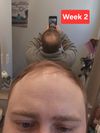
The post and conversation discuss Verteporfin's potential as a hair loss treatment. It's shown promise in regrowing hair after transplants and might be effective with microneedling.
A double blind, placebo-controlled study that looked into the potential effectiveness of topical fluridil for treating male androgenetic alopecia, showing increased anagen to telogen ratios with no reported side effects on libido or sexual performance.
The user is exploring hair growth stimulants other than Minoxidil, mentioning Stemoxydine, various peptides, drugs like Latanoprost and Bimatoprost, and natural remedies such as Rosemary Oil and Caffeine. They express concerns about the long-term effectiveness and safety of these alternatives and seek more information on viable options for hair regrowth.
Kintor plans to release pyrilutamide foam and a plant-based Koshine by year-end, with GT20029 progressing in their pipeline. Users are pleased about the absence of propylene glycol (PG) in the new products.
The post discusses a hair loss treatment routine involving dutasteride, topical finasteride, rosemary oil/onion juice/coffee solution, and stemoxydine. The user emphasizes the importance of consistency, realistic expectations, and a healthy lifestyle.
PP405 is seen as a potential breakthrough for converting vellus hairs to terminal hairs, with users expressing both hope and skepticism. It is compared to treatments like minoxidil and finasteride, with discussions on side effects and marketing concerns.
User doing PRP with exosomes for hair loss, sees possible regrowth after two treatments. Another user suggests providing before and after pictures for better assessment.
Alfatradiol is used by some for hair loss, often alongside treatments like finasteride, RU58841, and minoxidil, but its effectiveness is unclear. Some users report no significant improvement, while others note reduced sebum production but experience side effects like gallbladder pain.
The conversation is about hair regrowth progress using a combination of treatments: dutasteride, minoxidil, RU58841, ketoconazole, and monthly microneedling. The user reports that microneedling and topical minoxidil had the most impact on their hairline.
Exosomes were used for hair loss treatment, showing results 33 days after the second session. The conversation also mentions Minoxidil, finasteride, and RU58841 as treatments.
The user experienced new hair growth after switching from oral finasteride to topical RU58841 with minoxidil and undergoing stem cell therapy. They noticed new hairs at the hairline and temples, but are unsure which treatment is responsible.
Hair loss treatments discussed include alfatradiol, big 3, finasteride, RU58841, and stemoxydine. Alfatradiol is less effective but has fewer side effects, and mixing with stemoxydine may improve results.
The post discusses a hair loss treatment regimen using saw palmetto, pumpkin seed oil extract, EGCG (green tea) extract, grape seed oil extract, rosemary oil extract, and Zix. The user plans to use these DHT-blockers and 5AR inhibitors for six months and report the results.
The user is considering switching from a stamp to a pen for hair treatment due to poor results with the stamp. They are concerned about the availability of pen refills and are seeking better outcomes with the pen.
Minoxidil can cause heart palpitations, and users experiencing this should consider reducing the dosage or switching to alternatives like rosemary oil. It's advised to consult a doctor if side effects occur.
The user started treating their slightly thinning, receded hairline with a serum containing Redensyl and other ingredients, and dermarolling weekly. They recently began taking finasteride and plan to stop Redensyl in the future to test if hair loss resumes.
The user is experiencing hair regrowth with oral minoxidil and dutasteride but still has fragile hairs that easily pluck out from the front center. Despite improvements, the user is concerned about the persistent fragility and shedding of these hairs.
A user discusses an Iranian hair loss treatment brought by their mom, questioning its effectiveness. Replies mention that Kopexil, an ingredient in the product, is different from Minoxidil and less tested.
A 23-year-old has been using minoxidil, finasteride, 2% ketoconazole shampoo, biotin, a multivitamin, and microneedling to address hair loss, noticing baby hairs and a fuller frontal hairline but concerns about a thin right temple. They are considering adding rosemary oil and switching to a 1.5 mm dermastamp for further improvement.
User discusses verteporfin for hair regrowth through "super microneedling" and preventing scarring. They mention a case of an old man regrowing hair after a head injury and suggest verteporfin could recreate this result.
Testing the effectiveness of Verteporfin as a potential treatment for hair loss, with users discussing their thoughts on its long-term results. Treatments mentioned include Minoxidil, Finasteride, and RU58841.
The conversation is about a person's hair improvement after 14.5 months using RU58841 and Minoxidil topically at 50 mg each day, with noticeable hairline improvement but incomplete crown area recovery. The person struggles to take good pictures of their crown area.
Platelet-rich plasma (PRP) therapy for hair loss is expensive, painful, and often ineffective, with mixed reviews on its benefits. Alternatives like minoxidil, finasteride, and hair transplants are suggested as more reliable options.
A user shared their 9-month progress using RU58841 at 2% daily for hair regrowth, initially starting at 5% but reducing the dose due to early signs of gynecomastia, which has since mostly resolved. They achieved their goal of regrowing hair at the temples and hairline.
A gel of keratin microspheres promotes hair follicle growth, showing similar effectiveness to minoxidil in mice. The treatment activates hair growth pathways and reduces inflammation, with potential applications in drug delivery for hair-related disorders.
The conversation provides advice on using derma rollers, stamps, and pens for hair loss, detailing types, usage, cleaning, depth, frequency, and caution with topicals like minoxidil. The user plans to replace a roller with a pen for better accuracy and safety, and uses a castor oil/rosemary oil mix post-needling.
Safflower oil is suggested as an alternative to minoxidil for hair growth, with benefits including scalp conditioning and hair strength enhancement. Studies indicate it may also reverse scalp dermatitis, alopecia, and prevent premature grayness.
The user has been using finasteride, nizoral, microneedling, and recently added 3% peppermint oil to their hair loss treatment, experiencing regrowth similar to minoxidil. They suggest peppermint oil as a potentially effective, low-cost alternative or addition to minoxidil, with the added benefit of a pleasant smell and ease of use.