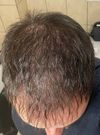
The conversation is about using Peppermint or Spearmint oil for hair loss and asks for successful regimens, including brands, carrier oils, and application details. No specific treatments were shared.
The conversation is about a user experiencing hair shedding after using a brand of RU58841, questioning its effectiveness and safety. Concerns are raised about RU58841 being an abandoned research chemical and the use of heavy oils like castor and argan oil potentially affecting absorption.
The user treated their hair loss with microneedling, nanoxidil, rosemary oil, jojoba oil, scalp massages, keto shampoo, and supplements. They experienced significant hair regrowth and a reduction in hair shedding within 8 weeks.
The conversation discusses a claim that peppermint oil is more effective than minoxidil for hair loss, with one user mentioning using a mix of peppermint and rosemary oils as a treatment. Some users are skeptical, while others show interest in the potential of peppermint oil.
Using a mix of castor, rosemary, and peppermint oils may cause increased hair shedding during washing, possibly due to the need for more rigorous cleaning. The user experiences no irritation but notices more hair fall when using these oils.
The conversation discusses a hair loss regimen using natural oils like pumpkin seed, rosemary, peppermint, evening primrose, and sea buckthorn, along with microneedling, niacin, vitamin B complex, and astaxanthin. Some users criticize the effectiveness of this approach compared to treatments like finasteride and minoxidil, while others suggest adding saw palmetto and other supplements.
A user is trying 2-deoxy-D-ribose with distilled water for hair growth, observing new hair and skin pigmentation changes. Others compare it to Minoxidil, expressing interest and caution about its effectiveness and safety.
Peppermint oil may be beneficial for hair growth, potentially outperforming minoxidil. Users discuss its effectiveness compared to other treatments like finasteride and RU58841.
The user experienced side effects from using 1% finasteride and 2% minoxidil, including dermatitis, erectile dysfunction, and heart palpitations. They switched to using 2000mg pumpkin seed oil, saw palmetto capsules, and applying pumpkin seed oil and rosemary oil twice a week, seeking feedback on results.
The user shared progress pictures of hair regrowth using 1mg finasteride, 5% topical minoxidil, derma stamping, and rosemary and mint hair oil. Responses varied, with some noting visible regrowth and others questioning the effectiveness of the oils.
The conversation is about creating a hair oil using peppermint oil, Mielle Rosemary Oil, black Jamaican castor oil, and coconut oil. Users suggest that oils alone won't help with male pattern baldness without using treatments like finasteride or minoxidil.
The user experienced significant hair improvement using rosemary and peppermint oils, alongside minoxidil, after other treatments like finasteride and pyrilutamide showed no results. They noticed reduced hair shedding and thicker hair, particularly in the mid and crown areas.
Tocotrienols are being discussed as a potential treatment for hair regrowth, but users report no noticeable effects after several months of use. Some users are combining tocotrienols with other treatments like pumpkin seed oil and peppermint and rosemary oil.
The conversation discusses the effectiveness of peppermint oil and dermarolling for hair regrowth, with one person suggesting that only dermarolling is effective and comparing peppermint oil's effectiveness to that of an egg.
The conversation is about a hair regrowth regimen that includes using minoxidil, peppermint oil, a red light hat, and microneedling. The user is seeking advice on the effectiveness and frequency of these treatments.
The conversation is about finding a high-quality copper peptide powder for long-term hair growth, to be mixed with rosemary oil. It also suggests using finasteride for hair loss treatment.
The post and conversation are about skepticism towards a new hair loss treatment containing 2-deoxy-D-ribose, copper peptides, and exosomes, with concerns about the legitimacy of the product and its website. The treatment's effectiveness and authenticity are questioned due to lack of testing and transparency.
A user is experiencing temple hair recession and is seeking alternatives to finasteride. They are considering castor oil, coconut oil, and derma rolling, and have seen some improvement with Zenegen.
A 23-year-old is experiencing severe hair loss and has been using oral minoxidil for 5 months without success. They plan to use ketoconazole cream, emu oil, peppermint oil, evening primrose oil, taurine, black currant oil, and a microneedle roller, and are seeking advice on their routine.
The conversation is a satirical discussion about using grapefruit for hair regrowth, with suggestions ranging from injecting it to applying it topically or anally. Some users claim unusual benefits like emitting a green aura or jumping high.
A user shared their 3-month hair loss progress using finasteride, minoxidil, low-level light therapy, pumpkin seed oil, and rosemary oil. The user saw a reduction in balding crown size but couldn't determine which treatment was most effective.
People often turn to natural remedies like saw palmetto and rosemary oil for hair loss, but these are not as effective as FDA-approved treatments like finasteride and minoxidil. Some users express concerns about potential side effects of finasteride, while others share positive experiences with it.
The user is exploring alternatives to finasteride and dutasteride due to concerns about side effects, and is using rosemary and jojoba oil, ketoconazole, minoxidil, microneedling, multi-peptide serum, saw palmetto, and stinging nettle for hair loss. They are also considering CB 03 01 and spironolactone.
A user discusses using a hemp inflammation cream for hair loss, noting it contains aloe vera, hemp extract, rosemary oil, glycerin, emu oil, menthol, and MSM, which are beneficial for hair loss. They consider using the cream instead of making their own topical treatment.
A dermatologist recommended Evening-Primrose Oil, Biotin, Zinc, Vitamin D, and K to block DHT and address hair loss. The user is considering these alternatives to prescription drugs like finasteride.
The user is considering adding castor, rosemary, and pumpkin oils to their current hair loss treatment of finasteride and minoxidil. They are unsure about the effectiveness of these oils.
The user is using 2.5mg oral Minoxidil, rosemary mint oil, scalp massaging, a derma roller, multivitamins, and hair vitamins for hair regrowth. They are considering adding pumpkin seed oil, a derma pen, and saw palmetto vitamins, and are advised to consider finasteride.
2-Deoxy-D-Ribose is discussed as a potential hair loss treatment, but skepticism exists due to lack of human testing. The original poster uses a combination of topical Minoxidil, oral Finasteride, topical RU58841, and other treatments, reporting some hair regrowth but not significant results.
Ursolic acid, found in apple peels, lemongrass, rosemary, and lavender, may have anti-androgen effects similar to finasteride. It might be beneficial for hair health when used with other treatments like Minoxidil, Finasteride, and RU58841.