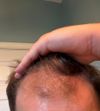
User applied topical Minoxidil 5% and Finasteride 0.1% daily, with rosemary oil weekly, and saw initial baby hair growth. They plan to add derma stamping and Redensyl serum.
The user is unsure if their hair shedding after switching to low-alcohol minoxidil and using rosemary oil is a sign of hair regrowth or actual hair loss. They have been using minoxidil and finasteride for years without experiencing similar symptoms until now.
A 22-year-old has seen hair density improvement after using oral minoxidil 2.5mg daily for 7 months and also uses rosemary mint oil weekly. Others suggest finasteride for long-term results, question minoxidil's effectiveness without finasteride, and mention alternatives like microneedling.
A user shared a 3-month hair regrowth progress using minoxidil and microneedling. They also use rosemary oil and plan to continue treatment for at least 6-9 more months.
The user treated traction alopecia for over a year using Nutrafol, rosemary oil, topical and oral Minoxidil, dermarolling, biotin, collagen, and vitamin D, and shared progress photos to inspire others on their hair growth journey. They also acknowledged the community and a specific person for support and encouragement.
The conversation is about creating a hair oil using peppermint oil, Mielle Rosemary Oil, black Jamaican castor oil, and coconut oil. Users suggest that oils alone won't help with male pattern baldness without using treatments like finasteride or minoxidil.
The conversation is about hair loss treatments. The user tried rosemary shampoo, aloe vera, onion, garlic, and ginger, while others suggested minoxidil, finasteride, and microneedling.
The user saw hair regrowth after inconsistently using treatments like microneedling, peppermint and rosemary oils, ketoconazole shampoo, zinc pyrithione shampoo, and scalp massages, but stopped minoxidil due to heart palpitations. They plan to start a consistent treatment with a minoxidil and finasteride topical solution and will share results in six months.
The post discusses the user's hair loss treatment involving daily use of 5% minoxidil, rosemary oil 2-3 times a week, derma-rolling twice a week, and daily vitamin D. A reply suggests the user to start using finasteride before hair falls out.
Hair loss progress discussed with 4.5 months on topical fin (0.025% liposomal). User uses rosemary oil for scalp health, and others think there might be some thickening or maintenance.
The conversation discusses a hair loss regimen using natural oils like pumpkin seed, rosemary, peppermint, evening primrose, and sea buckthorn, along with microneedling, niacin, vitamin B complex, and astaxanthin. Some users criticize the effectiveness of this approach compared to treatments like finasteride and minoxidil, while others suggest adding saw palmetto and other supplements.
The user achieved noticeable hair regrowth after 5 months by using a 1.5mm dermaroller weekly and applying rosemary oil multiple times a week. They recommend this natural treatment for those experiencing mild hair thinning.
The post and conversation are about a user seeing hair regrowth after using Rogaine, rosemary oil, pumpkin seed oil, saw palmetto, microneedling, and LLLT. The user plans to add Nizoral soon and is hopeful about continued progress.
Essential oils like lavender, peppermint, and rosemary may help with hair growth, similar to Minoxidil. Turmeric with piperin might be as effective as Finasteride without side effects.
The user has been using finasteride (2mg daily) to halt hair loss and is considering dermarolling with essential oils (Rosemary, Thyme, Peppermint, Tea Tree, Lavender, Jojoba) to restore the hairline. They are hesitant to use Minoxidil due to concerns about losing gains if they stop.
A user reported hairline regrowth after two weeks on a treatment including finasteride, peppermint and rosemary oils, emu oil, magnesium oil spray, apple cider vinegar, and dermarolling, while avoiding shampoos and conditioners. They believe DHT contributes to hair loss but also suggest follicle fibrosis is an issue.
Using castor oil, coconut oil, rosemary, tea tree oil, peppermint oil, and other essential oils for hair loss prevention. Emu oil and derma rollers are also discussed, with caution advised for coconut oil's comedogenic properties and taking castor oil orally.
The user has been taking oral minoxidil and finasteride for 10 months with no hair growth but no further hair loss. They are considering adding rosemary oil and possibly returning to a topical solution.
The user experienced significant hair regrowth using 1mg finasteride and 2mg minoxidil daily, along with Nizoral shampoo and rosemary oil. They are curious about further improving hair density and whether increasing the minoxidil dose would help.
A 41-year-old male has been using a combination of treatments for hair regrowth, including finasteride, minoxidil, a laser cap, ketoconazole shampoo, and rosemary oil, with some progress noted. He is maintaining his current regimen in hopes of a future miracle drug while considering hair transplants and other treatments like dutasteride and copper peptides.
The conversation discusses hair loss treatment progress using Minoxidil, a 0.5mm derma stamp, and caffeine serum, with additional use of rosemary, peppermint, and olive oil. The user is avoiding DHT blockers like Finasteride due to potential interference with other medications.
The conversation discusses preventing hair loss during detransitioning, with suggestions to use finasteride or dutasteride as DHT blockers. The user is also considering rosemary oil and monitoring testosterone levels.
The user achieved significant hair regrowth using oral finasteride for 2 years, then switched to topical minoxidil with rosemary oil and biotin oil. They reported no side effects and found topical minoxidil more effective than oral minoxidil.
The user is treating male pattern baldness with oral minoxidil, ketoconazole, derma rolling, rosemary oil, and topical minoxidil, and is considering adding finasteride. They are debating between three finasteride dosing strategies: 1mg daily, 1.25mg every other day, or 1.25mg five days a week, focusing on efficacy, safety, and cost.
A 41-year-old man shared his 3-month hair regrowth progress using 5% minoxidil and weekly microneedling. He applies minoxidil nightly and uses a topical mix of coffee, olive oil, rosemary oil, and vitamin oil after morning microneedling.
The conversation discusses a user's hair growth routine involving scalp massages, dermastamping, and rosemary oil, with mixed opinions on its effectiveness. Some users suggest proven treatments like minoxidil and finasteride, while others debate the merits of alternative methods.
A 35-year-old is using finasteride, oral and topical minoxidil, dermarolling, Nizoral shampoo, and rosemary with biotin oil to address hair thinning. They are considering the effectiveness of their current regimen and contemplating adjustments, such as discontinuing topical minoxidil or trying dutasteride for better results.
A user shared a positive experience using Minoxidil (2.5mg) and Finasteride (1mg) daily for hair loss, noting initial side effects like numbness and reduced alcohol tolerance but overall hair improvement after a year. They also used rosemary shampoo and supplements, emphasizing the importance of consulting a dermatologist and maintaining a healthy lifestyle.
A user reported positive results after four months of using finasteride and topical minoxidil for hair loss, with no side effects. They also use ketoconazole shampoo, dermarolling, and rosemary spray.
The user used oral minoxidil, finasteride, derma stamping, Nizoral shampoo, rosemary oil, and biotin tablets for hair regrowth. They paused treatment but resumed on March 14th, hoping for more hair growth.