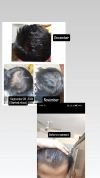
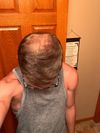
A 19-year-old experienced significant hair loss, improved with minoxidil, and is considering adding finasteride to his routine. He is concerned about future hair loss and potential side effects of finasteride.
A 36-year-old man restarted hair loss treatment after a break, using topical Minoxidil 5% twice daily, topical Finasteride 0.01% daily, and Ketoconazole 2% three times a week, along with supplements like Vitamin B12, D3, C, Biotin, Omega-3, zinc, and copper. He avoids oral Finasteride due to side effects and plans to evaluate progress after a year.
A 24-year-old male is considering a hair transplant after unsuccessful attempts with oral minoxidil, topical finasteride, ketoconazole shampoo, and lifestyle changes. He believes smoking and caffeine may worsen his hair loss and is looking into hair fibers for temporary coverage.
A 3-month update on a microneedling-only project to treat hair loss, which has not had significant results in terms of thicker hair but may have seen some acceleration in hair growth and an increase in vellus hairs. The user plans to continue the journey for 6 months before making any changes, such as adding minoxidil or finasteride.
A 23-year-old is using oral dutasteride, topical minoxidil with finasteride, PRP, and microneedling for hair loss treatment over three months, showing noticeable progress. Some users suggest caution with hormonal treatments and discuss the cost-effectiveness of PRP.
A user shared progress pictures after one year on oral minoxidil and eight months on oral finasteride, noting improved hair density and recession at the corners. The user also mentioned using volumizing shampoo, conditioner, and a homemade sea salt spray, while others debated the necessity and effectiveness of the treatments.
The user is experiencing unexpected hair thinning and is considering starting finasteride and minoxidil after a dermatologist's brief assessment. They are hesitant and seeking opinions, with some users suggesting finasteride alone might be sufficient for mild hair loss.
The conclusion of the conversation is that some users have had positive results with finasteride for hair loss, while others have not. The effectiveness of finasteride varies from person to person.
The conclusion of this conversation about hair loss is that the user, "mynameisbogus," has been using Dutasteride, oral minoxidil, topical minoxidil, RU58841, dermarolling, scalp massaging, and keto shampoo to treat their hair loss. They have not experienced any side effects and have seen positive results.
The conversation discusses a finding that a caffeine solution is as effective as 5% Minoxidil for hair loss. Specific treatments mentioned include caffeine solution and Minoxidil.
A user shared their positive experience with hair regrowth using topical finasteride and minoxidil, despite initial side effects. They are transitioning to oral finasteride and minoxidil for convenience and are optimistic about continued progress.
A 36-year-old man is using topical 5% Minoxidil for hair thinning and is considering adding 3mg Minoxidil pills as recommended by a dermatologist. He is concerned about potential side effects and increased shedding but cannot access Finasteride due to strict regulations.
The user is considering switching from topical to oral finasteride due to lack of progress with their current hair loss treatment, which includes topical fin/min, microneedling, Nizoral shampoo, oral minoxidil, biotin, collagen, tretinoin, and hair masks. A suggestion was made to try oral finasteride for potentially better results and to monitor progress over 6-12 months.
The conversation discusses various hair loss treatments, including Minoxidil, Finasteride, Dutasteride, Ketoconazole shampoo, microneedling, and supplements like collagen, biotin, and vitamins. Users suggest additional treatments like red light therapy, scalp massages, and possibly adding RU58841 or Tretinoin.
Finasteride improved hair thickness for someone with diffused thinning after 11 months, with no side effects. Patience and consulting a dermatologist are advised, and minoxidil is suggested for additional support.
The conversation discusses various hair loss treatments, with a focus on pyrilutamide, minoxidil, and alternatives to finasteride due to intolerance. Users suggest adding a DHT blocker like finasteride or dutasteride, and some recommend trying topical versions to reduce side effects.
A woman experienced increased body hair and acne with minimal hair improvement after switching from topical to oral minoxidil. Suggestions included reducing the oral dose, trying spironolactone, returning to topical minoxidil, or considering laser treatment for body hair.
A 20-year-old is feeling depressed about hair loss despite using minoxidil and finasteride for 5-6 months. Users suggest continuing treatment, trying derma rolling, oral minoxidil, and addressing lifestyle factors.
The user is asking if the Hims Tropical tropical fin and min treatment is working for hair regrowth. Some users believe it is working, while others do not see a difference. The cost of the treatment is $195 for a 5 month supply.
A user improved their hair loss from NW3+ to NW1.5 over three years using a regimen of dutasteride, finasteride, Nizoral, biotin, and collagen. They experienced some side effects and adjusted dosages over time, and noted additional benefits like better skin and muscle gain.
A user experienced increased hair shedding after 2.5 years on finasteride and 5 months on minoxidil, possibly due to recent additions like supplements and microneedling. Others shared similar experiences with minoxidil shedding, suggesting it may be a normal part of the process, with hair often growing back thicker.
The user shared their 5-year progress using finasteride and topical minoxidil for hair growth, noting initial success but recent thinning and side effects. They plan to switch to dutasteride and oral minoxidil, addressing low iron levels and monitoring potential side effects.
Finasteride and minoxidil can revive hair dormant for up to 7 years, with microneedling enhancing regrowth. Users report significant hair regrowth even after long periods of baldness.
A 23-year-old male has been using finasteride, dutasteride, and drinking topical minoxidil for almost four months to combat hair loss, seeing reduced shedding and some regrowth. Users advise against drinking minoxidil and suggest that using both finasteride and dutasteride together is overkill.
The conversation is about the preference for using a derma stamp over a derma roller for hair loss treatment, with users discussing its efficiency, needle material, replacement frequency, and personal experiences. Specific treatments mentioned include microneedling with a derma stamp.
The user shared a one-year progress of hair regrowth using topical minoxidil and dutasteride, along with microneedling and scalp massages. They experienced significant hair growth without side effects.
The user has been on Finasteride for over a year and recently added minoxidil and derma rolling to their regimen, experiencing side effects like headaches and acne for a few weeks. They tried various non-medication treatments for early-stage hair loss with no success before turning to medication, which improved their hair and confidence.
The conversation discusses using zinc sulphate and azelaic acid to inhibit 5 alpha-reductase activity, which could potentially treat androgen-related skin conditions like hair loss. Combining these with vitamin B6 could enhance the effect, potentially offering an alternative to finasteride.
User experienced hair growth after 4 months using Minoxidil and dermastamp. Others suggest adding Finasteride or Dutasteride for long-term results and trying microneedling with Minoxidil.