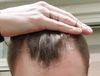
The user is discussing hair regrowth after 7 months of using topical minoxidil and RU58841, with some microneedling. They are hesitant to switch to finasteride or dutasteride and are seeking input on whether there is new growth or just more miniaturization.
The conversation discusses experimenting with microneedling for hair loss, specifically addressing non-responsiveness and the use of topical treatments like dutasteride, minoxidil, and tretinoin. The user seeks advice on effective frequency and depth combinations for better results.
The conversation is about the safety of Breezula compared to RU58841 for hair loss treatment. The user believes Breezula is safer but less effective than RU58841.
Minoxidil may cause facial aging or wrinkles, though opinions vary. Some users report side effects like dark circles and facial bloating, while others attribute changes to genetics or other factors.
User "cheekykevin" shared 15-week progress using minoxidil and dermarolling, with positive results. Others suggested using ketoconazole for dandruff side effect.
The conversation discusses adjusting the isopropyl alcohol, propylene glycol, and water ratios in a topical finasteride solution for better scalp comfort and less dandruff. The user considers using 20ml IPA, 25ml PG, and 15ml water in a 60ml bottle, moving away from mixing finasteride with topical minoxidil.
The conversation discusses using microneedling with growth factor serum, PRF injections, dutasteride, oral and topical minoxidil, and topical exosomes to treat hair loss, particularly on the crown. OP plans to microneedle twice a month and seeks feedback on Korean growth factor serums.
A user, 35M, has been using oral finasteride for 5 years and 5% minoxidil for 3 years, which stopped hair loss but didn't promote regrowth. After starting RU58841 5 months ago, they noticed long, translucent hairs and are asking if these hairs will darken and how to encourage this.
The conversation discusses microneedling for hair loss, focusing on optimal needle depth and frequency. Users report varying practices, with some using Minoxidil after microneedling and others suggesting different depths and frequencies based on personal tolerance.
The user reported progress with hair regrowth using a topical solution combining finasteride and minoxidil, but experienced scalp irritation which improved after adjusting the treatment. They are considering microneedling but are concerned about the risk of scarring.
PP405 may promote short-term hair growth by pushing follicles into the growth phase, but concerns exist about long-term effects due to lack of rest phases. Users discuss various treatments like finasteride, minoxidil, spironolactone, alfatradiol, and investigational drugs like KX-826 and GT20029 for hair maintenance and regrowth.
Breezula is a potential hair loss treatment, but recent updates suggest it may not be as promising as initially thought. Some users express skepticism about its effectiveness based on past results.
The conversation discusses using topical dutasteride with a dermapen for hair loss treatment. The user is deciding between liposomal and mesosomal formulations for this purpose.
A 22-year-old is experiencing hair loss, particularly fuzzy hair in the front, and is concerned about male pattern baldness. Treatments mentioned include Propecia (finasteride), minoxidil, PRP treatments, dermarolling, peppermint oil, and apple cider vinegar.
Someone who is 18 and has been balding since 15 starting treatments with finasteride and minoxidil to stop or reverse their hair loss, as well as discussing the dilemma of whether it's rude or helpful to point out another person's hair loss.
Switching from oral to topical dutasteride can cause shedding due to changes in DHT levels, and it's recommended to overlap both treatments to minimize this effect. Topical dutasteride may cause scalp irritation, and the user is considering dutasteride mesotherapy as an alternative.
A user's progress in treating their hair loss with Finasteride, Minoxidil and Dermarolling; they discussed details of their routine and others congratulated them on their success.
The user is experiencing excessive hair thinning and is unsure of the cause. They are seeking opinions on treatments like Minoxidil, finasteride, and RU58841.
Dutasteride and finasteride can cause changes in physical appearance, like more feminine features and increased water retention. Users report side effects such as reduced libido, weight gain, and improved skin clarity, while some notice no significant changes.
The conversation discusses the removal of Breezula phase II 12-month results by Cassiopea and the search for the original data. Concerns were raised about potential negative long-term effects on hair growth, such as androgen receptor upregulation.
The user is unhappy with the results of their second hair transplant, feeling that grafts were wasted on an already transplanted hairline instead of increasing mid-scalp density. They regret stopping medications like Dutasteride, Minoxidil, and RU58841, which led to significant hair loss, and plan to restart them.
The user switched to oral Dutasteride, added RU58841, and used Ketoconazole-enriched Minoxidil but still experiences scalp itch and hair loss after 4 months. They are advised to give Dutasteride more time, consider seeing a dermatologist, and explore other topical solutions.
The user shared their experience with liquid Minoxidil, which initially worked well but caused severe skin irritation, leading them to stop. They are now trying oral Minoxidil and plan to document their progress weekly.
The user's hair appears to have improved, looking thicker and healthier, especially around the temples, after using topical minoxidil, finasteride, dutasteride, and tretinoin. Most participants agree the last picture shows significant improvement, though one disagrees.
People discussed which is better for hair loss treatment between a dermaroller and a dermastamp, concluding that a dermastamp is better. They also mentioned that a dermaroller can be used for beard growth.
Silicone-based shampoos and conditioners may leave a layer on the scalp that could affect the absorption of topical hair loss treatments like Fluridil. The user is considering switching to silicone products to manage frizzy hair but is concerned about this potential issue.
Topical dutasteride 0.05% is reported to outperform oral finasteride with minimal side effects, but concerns about study bias exist due to company funding. Some users report mixed results with topical dutasteride, noting issues with skin penetration and systemic absorption.
To increase hair density appearance, options include using hair fibers, volume powders, scalp micropigmentation, and a combination of sea salt and holding sprays. Tape-in extensions and clip-in fringes are also considered, but cost and maintenance are concerns.