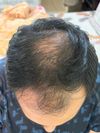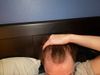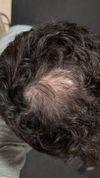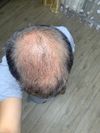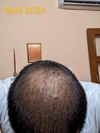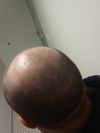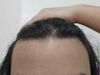
A 22-year-old experiencing hair loss, initially attributed to stress, found temporary relief with minoxidil but faced increased shedding after stopping and restarting the treatment. The advice given suggests the hair loss may be due to androgenic alopecia rather than stress, recommending consistent use of minoxidil and considering finasteride, with a suggestion to seek a second opinion from another dermatologist.
The user has been using Minoxidil, finasteride, and a dermaroller for a year with little effect on hair loss. They are considering a hair transplant and are questioning the number of grafts needed and the feasibility of transplanting onto a partially bald scalp.
The user has been using minoxidil on their hairline for about six months and is also on finasteride. They are considering applying minoxidil to the rest of their scalp to improve hair density but are concerned about potential shedding.
The user had four DHI hair transplants from 2021 to 2025 and is concerned about the lack of hair thickening despite using treatments like finasteride and minoxidil. They are seeking advice on why these efforts aren't working.
The user has been using 2.5 mg oral minoxidil daily and initially 0.5 mg finasteride daily, later switching to 0.25 mg dutasteride daily, but has not seen significant progress in hair regrowth after 15 months. The user is concerned about crown balding and thinning despite treatment.
The conversation is about dealing with hair shedding due to seborrheic dermatitis and recent illness. Recommendations include treating seborrheic dermatitis with ketoconazole, correcting vitamin D deficiency, and improving sleep.
The user is considering whether to consult a hair loss specialist after letting their hair grow for two weeks, having previously shaved their head since age 26. They are contemplating continuing to shave if consulting a specialist seems unnecessary.
A user shared their positive experience with a hair transplant in Patna, using 1800 grafts to enhance their hairline and temple points. The procedure cost around Rs 85K, and the user is pleased with the natural-looking results.
Hair follicle regenerative therapy is being developed, with clinical trials planned in Japan, potentially allowing for hair cloning and eliminating the need for treatments like finasteride. If successful, the treatment could be available in Japan by 2025, but widespread access and affordability may take longer.
A user has been using finasteride and minoxidil for hair loss but is experiencing increased shedding and is considering using topical melatonin with a product called Rizn. Another user is skeptical about the effectiveness of topical melatonin due to issues with the research and lack of replication of results, while a third user expresses interest in the outcome of using Rizn after not seeing results from topical finasteride and minoxidil.
The conversation discusses using 23andme to determine if someone might respond well to minoxidil for hair loss treatment, and mentions the user's personal experience with micro-needling and minoxidil.
A man shared how his baldness led to reconnecting with his high school crush, resulting in marriage. The conversation includes jokes and varied opinions on balding, with no specific treatments mentioned.
The user is seeking feedback on their hair regrowth progress after using Minoxidil for 5 weeks, along with other treatments. Some users share their experiences, mentioning that Minoxidil may not provide a permanent solution and that results vary. It is advised to take before pictures for better assessment.
The conversation discusses the price variation of finasteride in India, with examples from different brands. The user seeks advice on choosing a cost-effective yet effective option.
A user shared progress pictures showing significant hair regrowth after using a topical solution containing 5% Minoxidil, Finasteride, Redensyl, and Procapyl. The user reported no side effects and applies the solution twice daily.
Cetirizine 1% cream significantly improves hair growth and thickness in men with androgenic alopecia. It is considered effective, affordable, and has a low side effect profile.
The conversation discusses whether M44 had a hair transplant or uses finasteride, minoxidil, and dutasteride. Opinions vary, with some suggesting a transplant and others noting no clear signs of hair loss.
A user shared a positive experience about receiving free finasteride from their dermatologist. Others discussed the varying costs of finasteride in different countries.
The conversation discusses GT20029, a new topical drug for hair loss and acne without notable side effects, which has been accepted for investigational use in China. Some users express skepticism about the legitimacy of the company and the potential for other drugs like RU58841 to be developed due to patent expiration and lack of profitability.
The user is using testosterone and finasteride to prevent hair loss and is considering adding Primobolan or Masteron, which are DHT-derivatives. They are seeking advice on their genetic risk for male pattern baldness and whether they can safely use these compounds without significant hair loss.
Finasteride is effective for DHT/AR-driven hair loss but not for chromosome 20-driven cases, where treatments like minoxidil, prostaglandin analogs, and low-level laser therapy may be more beneficial. Genetic testing can help determine the underlying cause of hair loss to tailor treatment effectively.
A user shared their positive experience with a hair transplant in Turkey, using 4350 grafts, and described it as the best decision of their life. They discussed using finasteride to maintain non-transplanted hair and addressed questions about the procedure and recovery.
The user had two FUT hair transplants with 4,600 grafts for increased density, costing about $11,000 each, and has been using oral minoxidil and finasteride for over five years without side effects. The results are natural-looking with no visible scarring, and the user finds the procedure valuable despite the cost.
The conversation discusses hair loss treatments, focusing on the use of topical minoxidil, microneedling, finasteride, and dutasteride, while debating the role of testosterone and DHT in hair loss. It also touches on the potential liver health impacts of these treatments and the genetic sensitivity of hair follicles to androgens.
A 17-year-old user reports significant hair regrowth using 1mg finasteride daily and 5% minoxidil once daily. Other users discuss the effectiveness and age considerations of finasteride.
The user switched from finasteride to dutasteride for hair loss treatment, but experienced increased libido, itchy scalp, and accelerated hair loss. Another user suggested that genetic variations might cause dutasteride to be less effective and recommended checking for specific genetic markers.
A 20-year-old who started balding in 2020 and has been using a treatment routine for 4 months that includes daily Minoxidil (1.5ml), Finasteride three times a week, and a derma roller twice a week, along with a 2-month course of vitamin supplements. The treatment has significantly improved their hair loss, boosting their confidence.