The conversation discusses a patent for using topical resveratrol and melatonin to treat androgenetic alopecia (AGA) and also mentions interest in topical sulforaphane as a treatment.
A user is experiencing temple hair recession and is seeking alternatives to finasteride. They are considering castor oil, coconut oil, and derma rolling, and have seen some improvement with Zenegen.
The conversation is about exploring additional hair loss treatments, with suggestions including topical melatonin, caffeine-based shampoos, redensyl, copper-peptides, pumpkin seedoil, saw palmetto, ketoconazole shampoo, and fluridil. Caution is advised against using products from AliExpress and Temu due to potential safety concerns.
The conversation discusses hair loss treatments, specifically using rosemary oil and biotin hair oil. Users suggest that medication might be more effective than these oils.
A user experienced hair regrowth at the temples after applying castor oil nightly for a month. They also used Dr. Regenepure shampoo and occasionally argan oil.
A 25-year-old discusses using castor oil combined with minoxidil for alopecia areata after noticing hair loss. They seek advice on the effectiveness of this treatment.
The conversation is about making RU58841 solutions for hair loss treatment and sourcing ingredients for KB solutions. The user mentions using RU58841 powder from Shaanxi Greenyobiotech.
A 21-year-old is experiencing aggressive hair loss and dandruff, possibly due to seborrheic dermatitis, and is using pumpkin seedoil, scalp massages, and anti-dandruff shampoo as treatments. They are hesitant to use prescribed Finasteride and Minoxidil and have noticed some improvement after stopping Serenoa capsules.
The user is exploring alternatives to finasteride and dutasteride due to concerns about side effects, and is using rosemary and jojoba oil, ketoconazole, minoxidil, microneedling, multi-peptide serum, saw palmetto, and stinging nettle for hair loss. They are also considering CB 03 01 and spironolactone.
The conversation is about managing seborrheic dermatitis and hair loss using treatments like Nizoral, Kelual DS, KPL, and MCT oil daily. The user is concerned about the effectiveness and safety of using MCT oil every day.
The conversation discusses experimenting with Sandalore for hair loss and concerns about its authenticity compared to sandalwood oil. Minoxidil, finasteride, and RU58841 are also mentioned as treatments.
The conversation discusses whether oily scalp and sebum can hinder the absorption of topical hair loss treatments like Minoxidil and Finasteride, even when using tretinoin. The user is skeptical about the effectiveness of these treatments due to their oily scalp condition.
Minoxidil and finasteride are effective for hair loss, but natural oils like pumpkin seedoil and saw palmetto are not proven to be effective. Topical finasteride may be an option for those who cannot tolerate oral finasteride.
Selenium sulfide shampoo helped with a sore scalp but may cause hair root damage. Users experienced hair loss with selenium sulfide and ketoconazole, suggesting reducing use if hair loss occurs.
A user stopped using finasteride and switched to a mix of essential oils in jojoba oil to treat hair loss, which reduced itching and hair shedding significantly. They shared their experience, noting that dermatologists were not helpful.
Sulforaphane shows potential for hair regrowth, with users reporting reduced shedding and regrowth. Some users combine it with Minoxidil and finasteride for better results.
The conversation discusses creating a mix of essential oils for hair regrowth, questioning the proper mix ratio for single or multiple oils. It also mentions using finasteride and minoxidil for hair loss treatment, alongside oils, shampoos, and microneedling to improve scalp conditions for hair regrowth.
A user added Castor Oil to their hair loss regimen, already using finasteride but not minoxidil. They seek feedback on Castor Oil's effectiveness and any potential negative experiences.
The user is experiencing hair loss and has tried topical finasteride without success due to side effects. They are considering using essential oils like rosemary, castor, and peppermint, and have started using 0.5% Pyriltamide.
The conversation discusses a hair loss regimen using natural oils like pumpkin seed, rosemary, peppermint, evening primrose, and sea buckthorn, along with microneedling, niacin, vitamin B complex, and astaxanthin. Some users criticize the effectiveness of this approach compared to treatments like finasteride and minoxidil, while others suggest adding saw palmetto and other supplements.
Beta-sitosterol may inhibit 5-alpha reductase type 2 enzyme, potentially reducing DHT levels and promoting hair growth, similar to finasteride but possibly with fewer side effects. Its effectiveness and side effects compared to other treatments like saw palmetto and finasteride remain uncertain due to limited research.
The user's experience with rosemary oil as a hair loss treatment and its effectiveness; they discuss other treatments such as finasteride, minoxidil, and RU58841; there is also discussion of combining oils like peppermint oil, zix, and dermapen.
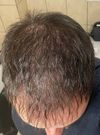
A user shared progress pictures after 7 months of 5% topical Minoxidil and 3 months of 1000mg daily Pumpkin Seedoil. Replies suggest adding finasteride for better results.
Mixing rosemary oil and coconut oil for scalp application is discussed, with some users suggesting it may not be effective for hair regrowth compared to treatments like finasteride and minoxidil. Others mention that rosemary oil might have some benefits similar to minoxidil, but not as effective as pharmaceuticals.
A 23-year-old is experiencing severe hair loss and has been using oral minoxidil for 5 months without success. They plan to use ketoconazole cream, emu oil, peppermint oil, evening primrose oil, taurine, black currant oil, and a microneedle roller, and are seeking advice on their routine.
The user shares their hair loss treatment routine, which includes topical minoxidil, botana oil, coconut moisturizer, derma stamping, derma rolling, 3% salicylic acid shampoo, and scalp massage. Suggestions include adding finasteride, switching to 2% ketoconazole shampoo, and using rosemary oil instead of botana oil.