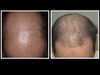
Bicalutamide and spironolactone are being compared for their effectiveness and safety in treating female pattern hair loss. The conversation seeks advice on which is better to use.
A user shared progress pictures 7 months after a hair transplant of 4600 grafts at Medart Hair in Istanbul, costing $2850 USD. They are using finasteride, vitamins, Procapil spray, a derma roller, and plan to start minoxidil soon.
A user experienced new hair growth and reduced scalp itchiness using a scalp treatment with Neem, Amla, and Rosemary oil. They recommend this natural remedy for those interested in alternative medicine.
Hair loss discussion includes treatments like Minoxidil, Finasteride, and RU58841. Users share experiences and support, mentioning that many people face hair thinning.
Vitamins and minerals like vitamin E, zinc, and iron may aid hair growth, especially in cases of deficiency. Pumpkin seed oil, saw palmetto, horsetail, and AminoMar show some promise for improving hair health and count.
Orient Bio is developing a PLGA formulated version of Cyclosporine A to stimulate hair growth without its immunosuppressant effects. Users discuss various treatments like Clascoterone, PP405, minoxidil, and tacrolimus, expressing hope for new developments and sharing personal experiences with these treatments.
The user is 2 months into using 0.5 mg finasteride, rosemary oil daily, vitamin B12, a 0.5 mm derma roller, and ketoconazole weekly for hair loss. They plan to update their progress monthly.
The user plans to use 1% Koshine826, 0.1% Alfatradiol, Minoxidil with Tretinoin, microneedling, and Stemoxydine for hair loss treatment. They expect significant recovery with this regimen.
The conversation humorously discusses hair loss treatments, including finasteride, minoxidil, and dermarolling, with users sharing personal experiences and side effects. Some users mention changes in hair and semen consistency, while others discuss male contraception methods.
The conversation is about hair loss treatments, including dermarolling, Minoxidil, Finasteride, and RU58841. Users discuss their experiences, side effects, and application methods for these treatments.
The conversation discusses hair loss, scalp buildup, and treatments like Nizoral shampoo, Minoxidil, and dietary changes to address seborrheic dermatitis and iron deficiency. The user plans to improve their hair condition with a good routine, Nizoral, and diet adjustments.
A 22-year-old experienced significant hair loss due to high stress, SSRI side effects, and Androgenic Alopecia, and has seen some regrowth after starting finasteride and using ketoconazole shampoo. They are inquiring if continued use of finasteride and stress reduction alone can lead to further hair regrowth.
Counterfeit minoxidil is a concern, with users suggesting buying from reputable sources like Costco to ensure authenticity. A bleach test can help verify genuine minoxidil.
The conversation discusses using Ketozolin shampoo in Germany as an addition to finasteride and minoxidil for hair loss treatment. Users recommend applying a small amount 2-3 times a week, leaving it on for 5-10 minutes.
The conversation discusses using Rogaine (Minoxidil) and ketoconazole for hair regrowth, with interest in trying a formulation with Azelaic Acid for potentially better results. Concerns about Azelaic Acid's effectiveness and safety, including skin sensitivity to sunburn, are mentioned.
The conversation discusses using saw palmetto oil to reduce hair loss, with the user reporting decreased shedding but no regrowth yet. The user plans to try minoxidil and finasteride, noting previous success with minoxidil but concerns about its greasiness.
The conversation discusses dosing for 1000mg Pumpkin Seed Oil tablets and compares its DHT-lowering effects to finasteride. The user considers splitting the tablets to achieve a 500mg dose.
Mango oil may inhibit DKK1 and DHT, potentially aiding hair growth by activating the Wnt signaling pathway. A user plans to test mango leaves juice and other Ayurvedic products for hair regrowth.
The user has been using finasteride and minoxidil for hair regrowth, with positive results, and recently added daily broccoli consumption, noticing improved hair thickness. Another user suggests that leg exercise, not broccoli, might be contributing to the hair improvement.
NAD⁺ precursors and EGCG may increase hair density, but users report mixed results with no significant hair gains. Some users suggest combining these with finasteride or dutasteride for better results.
RootBioTec, a basil hairy root extract, claims to reduce hair loss by 31% in two months by inhibiting 5α reductase II and stimulating hair follicles. There is limited independent information available about its effectiveness.
The user experienced side effects from low-dose topical finasteride and is considering using clascoterone (CB-03-01) despite concerns about its risks and cost. They seek advice on its effectiveness and potential side effects compared to other treatments like alfatradiol and fluridil.
The user experienced tiny vellus hairs from 0.5mg finasteride and 2.5mg minoxidil over 9 months. Topical minoxidil, alfatradiol, and RU58841 applied twice daily for 1.5 months significantly improved temple hair regrowth.
The user experienced sensitivity and side effects from finasteride and Saw Palmetto, leading to swollen and sensitive breasts, and decided to stop finasteride after two weeks. They are now trying Saw Palmetto, Biotin, and Ashwagandha, while others in the conversation discuss their own experiences with hair loss treatments like minoxidil and finasteride.
Onion juice is discussed as a potential treatment for hair growth, with many positive user comments. Other treatments mentioned include Minoxidil, finasteride, and RU58841.
The user experienced good crown progress in 3 months using finasteride, collagen, vitamins B, C, D, zinc, and dermarolling. They are pleased with the results after a hair transplant on the front and mid scalp.
The user experienced reduced hair shedding with Ketoconazole shampoo, suggesting it may help with scalp inflammation and hair health. They also use Minoxidil and Finasteride, and suspect food intolerance and stress contribute to their hair issues.
The conversation is about hair transplants and the perception that they often look unnatural, especially in the first few rows of hair. There is a debate about whether it's better to choose a cheaper clinic in Turkey or a more expensive one in the USA, with some arguing that experience and skill matter more than cost.
The conversation discusses the progress of Clascoterone (Breezula) for hair loss treatment, noting that COVID-19 delayed female trials by three months but Phase III trials for males are proceeding with a Special Protocol Assessment filed with the FDA. Users express hope for Breezula as an alternative to existing treatments like finasteride and minoxidil, despite concerns about its potential high cost.