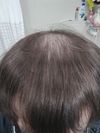
A user is concerned about taking evening primrose oil alongside finasteride and minoxidil due to its potential effects on hormonal balance and DHT inhibition. They seek advice on whether to continue the supplement or if their worries are unfounded.
A 24-year-old male is experiencing hair thinning and feels hopeless, considering treatments like finasteride and minoxidil but is concerned they might not work. He is also contemplating a dermatologist visit and is unable to afford a hair transplant.
Be skeptical of claims about new baldness cures; current treatments like finasteride, dutasteride, and minoxidil remain the best options. New products like Breezula and PP405 lack compelling evidence and may not be available soon.
Minoxidil foam can be used with styling products, but it's best to wait before applying fibers. Switching to night application may help maintain hairstyle.
Hair care products for those using minox, keto, fin, and microneedling are discussed. Nizoral 2%, Revita shampoo, Nioxin system 2, Aveda thickening tonic, Hanz De Fuko Claymation, and Morrocanoil Texture Clay are mentioned as options.
The conversation discusses using topical cetirizine as a treatment for androgenetic alopecia (hair loss). Specific treatments mentioned include Minoxidil, finasteride, and RU58841.
GHK-Cu and AHK-Cu peptides show limited success for hair loss, with skepticism about their effectiveness and concerns about misleading claims. Users report better results when combined with treatments like finasteride, dutasteride, minoxidil, and other methods.
The user switched from finasteride to dutasteride and is using minoxidil and RU58841 for hair loss treatment. They are satisfied with the progress and considering a hair transplant, despite some initial shedding after the medication change.
Hair thickness can fluctuate while on finasteride, possibly due to product overuse or other factors like health or hormones. The user experienced a significant thinning in November 2025 but noticed improvement since then.
A user tried a Korean hair loss shampoo and treatment set, noting it improved scalp and hair quality but lacked ingredient details. Other users expressed skepticism about its effectiveness, suggesting it might not significantly impact hair loss.
A user is anxious about shedding after starting oral finasteride and topical minoxidil, noting about 250 hairs lost after washing. Responses suggest that shedding is common with these treatments, especially with curly hair, and that it often peaks around 8-10 weeks before improving.
The user has been using finasteride for hair loss with good results and is considering adding oral minoxidil. They are experimenting with hairstyles and hair products to manage their thinning hair and have received mixed feedback.
Intermittent fasting may suppress hair follicle regeneration, but opinions vary on its impact on hair loss. Some users report no negative effects or even hair improvement while using treatments like finasteride and minoxidil.
Spironolactone and finasteride are not recommended for women planning pregnancy due to birth defect risks. Both need to be stopped months before conception, and finasteride is generally not advised for women.
A 20-year-old engineering student discusses balding experiences with barbers, mentioning treatments like PRP and rosemary oil masks, which slowed but didn't stop hair loss. The conversation humorously touches on the stereotype of engineers balding due to stress and suggests considering treatments like finasteride.
The user is concerned about hair loss despite using finasteride and dutasteride, with no regrowth but stabilized loss. After a recent hair transplant, they are experiencing shedding and are unsure if it's due to shock loss or ineffective treatment.
The user shared a 10-month hairline update using 5% topical Minoxidil and 2.5% oral Finasteride, noting some improvement despite a second shedding phase. They switched to oral Minoxidil for convenience, which may have caused the shedding.
Catalase is discussed as a potential treatment for delaying or reversing grey hair, but no reliable medicine currently exists. Other mentioned treatments include Imatinib, senolytics like Quercetin and Fisetin, He Shou Wu, Argan oil, and reishi mushroom extract, though their effectiveness varies.
A user is considering a non-alcohol based Minoxidil product for hair loss, which includes ingredients like caffeine, saw palmetto, glycerin, and various oils. They are seeking opinions on its effectiveness due to a sensitive scalp.
Stemoxydine is highly recommended for hair loss, preferred over Minoxidil due to fewer side effects and dependency. The user also uses finasteride, Pur'ador shampoo, and suggests cold showers and spicy food as part of their routine.
The user is happy with their 3-month hair loss treatment progress using 1mg finasteride daily, 5% minoxidil twice daily, derma stamping 1-2 times a week, and WaterMans shampoo. They noticed improvements despite initial shedding and stopped taking creatine, which they suspect might have affected hair loss.
The user experienced hair regrowth after four months of using finasteride, dutasteride, and oral minoxidil. They noted increased oiliness in their hair after starting the treatment.
The user has been using dutasteride, lymecycline, betamethasone, and minoxidil for hair loss but struggles with eczema and dry skin. They feel hopeless as no treatments or moisturizers have helped, and they are concerned about their appearance due to their soft facial features.
The conversation discusses hair loss treatment over four months using minoxidil, dermarolling, and intermittent finasteride. The user switched from prescription minoxidil to a cheaper alternative, Kirkland, with a similar concentration.
The conversation is about influencers sharing their hair growth regime, specifically mentioning the use of finasteride (Fin) and minoxidil (Min). Some users express skepticism about the effectiveness of these treatments and discuss other factors that could contribute to hair loss.
A user developed AI software to simulate hair transplants on photos, helping people visualize potential results. The tool offers photo-realistic renderings but advises caution regarding exact outcomes due to various factors.
GT20029 and CosmeRNA are both potential hair loss treatments; GT20029 breaks down the androgen receptor, while CosmeRNA prevents its production. Continuous use is needed, but less frequently than current treatments like Minoxidil and Finasteride.