Search
for
Sort by
Community Join
570-600 / 1000+ resultscommunity Water hardness and hair looseness
Hard water may contribute to hair loss. Using a showerhead filter improved hair retention and reduced hair fallout with white bulbs.
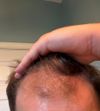
community (M25) 10 months on oral min/fin, no growth. Need advice
The user has been taking oral minoxidil and finasteride for 10 months with no hair growth but no further hair loss. They are considering adding rosemary oil and possibly returning to a topical solution.
community 30M Using Rosemary Oil, Starting Microneedling – Frequency and Combination Advice Needed
A 30-year-old is using rosemary oil and starting microneedling to address weakening hair, seeking advice on frequency and combination. Another user suggests using finasteride and minoxidil for better results, criticizing the effectiveness of rosemary oil and emphasizing the importance of understanding hair loss causes.
community RU58841 KB Solution vs PG + Ethanol
The conversation discusses the differences between KB solution and PG + Ethanol solution for RU58841 in treating hair loss. It compares the effectiveness and properties of these two solutions.
community A Summary of the Latest Research regarding PFS, and How Supplementing Allopregnanolone Might Protect Against It
Post Finasteride Syndrome (PFS) may result from epigenetic changes and gut microbiota alterations. Supplementing with Allopregnanolone might protect against these adverse effects.
community How to switch from topical minoxidil to oral without losing a lot of progress?
community I'll defeat the norwood reaper with kitchen sink light
A user who is using a combination of oral and topical treatments, including finasteride, minoxidil, pyrilutamide, dutasteride, microneedling, and ketoconazole shampoo in order to combat hair loss. Another user gave the original poster a word of warning about overusing the ketoconazole shampoo.
community So the cure for Nw7 is verteporfin
community Heating foam minoxidil into a liquid?
Heating foam minoxidil into a liquid for easier application and quicker drying. Effectiveness remains the same as liquid minoxidil.
community A New Therapeutic Channel to Come Soon: Hair Follicle Sugar Metabolism and Aldose Reductase
Hair loss therapies focusing on hair follicle sugar metabolism and aldose reductase. Potential treatments include magnesium supplements, avoiding high glycemic index foods, and antioxidants.
community Is this sub gonna accept that PP405 is a nothingburger? Or do we wait 5 more years?
community How long are Pelage going to milk the phase 2a results of PP405?
PP405, a potential hair loss treatment, is facing delays in releasing Phase 2 results, causing frustration among users who compare it to past failed treatments. Despite skepticism, some remain hopeful about PP405's future, while others discuss alternative treatments like Clascoterone and its expected market release.
community Overdoing zinc: can it lead to shedding ?
The conversation discusses hair loss and the potential impact of zinc supplementation, with some users suggesting it might contribute to shedding. The original poster is using finasteride and considering adjusting their zinc intake and dosage of finasteride.
community Natural remedies in conjunction with fin?
The user has been on finasteride for 16 months and is considering natural remedies like peppermint oil, rosemary oil, saw palmetto, green tea extract, l-lysine, and oral castor oil to enhance hair growth in addition to finasteride. They are interested in the potential benefits of combining these natural treatments with finasteride to improve hair loss outcomes.
community Day 204 of scalp massage, for those who say that is not working….
The conversation discusses a user's hair growth routine involving scalp massages, dermastamping, and rosemary oil, with mixed opinions on its effectiveness. Some users suggest proven treatments like minoxidil and finasteride, while others debate the merits of alternative methods.
community (4months, 25d) finasteride, ketoconazole, sulfur soap
The conversation is about hair loss treatment using finasteride, ketoconazole, and sulfur soap, with consideration of starting dermastamp. The user prefers not to use minoxidil.
community Is this salvageable with fin?(78)
The conversation humorously discusses hair loss treatments, focusing on finasteride and hair transplants, with references to public figures like Trump and Biden. It speculates on whether Trump has stopped using finasteride, noting his hair thinning and potential side effects.
community For those who can't use Minoxidil, This is working for me....
The user found success in treating hair loss by using a derm stamp with castor oil, vitamin E oil, and rosemary oil, alongside finasteride. The derm stamp, used every other day at 0.5 mm, significantly improved hair thickness and growth.
community Anyone use this spray from Happy Soul Organics?
community Has Saw Palmetto (or PSO) stopped my shedding?
A user experienced hair shedding despite using natural remedies but saw improvement with topical finasteride and oral minoxidil. After stopping supplements like saw palmetto and pumpkin seed oil, shedding resumed, but combining them again with finasteride and minoxidil reduced shedding.
community DHT itch, dandruff and sebum plugs.
The conversation discusses hair loss treatments, focusing on reducing scalp itching and dandruff using natural shampoos, witch hazel, and apple cider vinegar. The user also mentions using finasteride and observing potential regrowth, though it's difficult to confirm.
community would you guys like if i showed you how to make ru58841 solution?
The conversation is about making a RU58841 solution for hair loss treatment. OP plans to create a video tutorial on it.
community Charcoal / Ketoconazole / Caffeine shampoo
Mixing charcoal, Ketoconazole, and caffeinated shampoo is questioned for potential interaction, specifically if charcoal inactivates other ingredients. Charcoal is used for seborrheic dermatitis, while caffeine is thought to improve scalp blood flow.
community about homemade topical finasteride
A user started using homemade topical finasteride with PG-free liquid minoxidil for hair loss. They noticed the solution became milky with floaters and asked if it needed filtering.
community Topical Valproic acid/sodium valproate — has anyone tried this?
The conversation is about using valproic acid, an anti-seizure medication, as a topical treatment to promote hair growth. The original poster is seeking personal experiences from those who have tried this method.
community An idea that I came up with recently💡
User suggests rotating scalp 180 degrees to address hair loss. Others discuss sanity, ethics, and similar procedures like scalp reduction and hair transplants.
community Ru + glycerin making scalp greasy . help !!
The user is experiencing a greasy and dandruff-prone scalp from using RU58841 with glycerin and is seeking alternative carriers for seborrheic dermatitis. They are also using dutasteride 0.5mg.
community Does this combo sound good?
The conversation is about hair loss treatments, specifically using dermarolling, rosemary oil, and minoxidil. The user experienced side effects with finasteride and is considering alternative treatments.
community Irritation from topical min (maybe propylene glycol)
User experienced scalp irritation from Kirkland 5% liquid minoxidil, likely due to propylene glycol. They are seeking non-PG liquid alternatives that are affordable.