The post and conversation are about a user's successful regrowth of hair using topical minoxidil and rosemary shampoo. Other users discuss the potential limitations of minoxidil and recommend using finasteride to maintain hair growth.
The conversation discusses hair loss treatments, specifically mentioning Minoxidil, finasteride, and RU58841. It also touches on a study involving zinc and L-arginine.
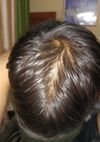
The user started using topical minoxidil and derma stamping for hair regrowth, along with multivitamins, biotin, and saw palmetto. Many suggest adding finasteride for better long-term results, but the user is hesitant due to potential side effects.
The conversation is about the effectiveness of Minoxidil formulations with different alcohol and propylene glycol (pg) ratios. The user finds that a formulation with 20% pg and 80% ethanol dries faster but is concerned about absorption time.
Kintor is starting a phase III trial for KX-826 combined with minoxidil for hair loss. Opinions vary on the potential success of the treatment, with some skepticism expressed.
The conversation is about the perceived risks of oral minoxidil compared to spironolactone for treating hair loss, with the original poster currently taking spironolactone due to concerns about oral minoxidil's safety.
A recent publication suggests that the flavonoids eriocitrin and silymarin may be more effective than finasteride in binding to the enzyme responsible for hair loss. People in the conversation are skeptical about the effectiveness and safety of these flavonoids until tested on humans, and some discuss their personal experiences with other treatments.
A user shared a list of natural supplements they tried that did not stop their male pattern baldness (MPB), including vitamin D, biotin, and various oils. The conversation includes skepticism and jokes about one of the methods, injecting jellyfish mucus into testicles, and mixed opinions on the effectiveness of natural treatments.
A user shared a positive experience using Minoxidil (2.5mg) and Finasteride (1mg) daily for hair loss, noting initial side effects like numbness and reduced alcohol tolerance but overall hair improvement after a year. They also used rosemary shampoo and supplements, emphasizing the importance of consulting a dermatologist and maintaining a healthy lifestyle.
The user initially used minoxidil for hair loss, stopped, and then tried redensyl, but is unsure if it works effectively alone. They are considering finasteride despite concerns about side effects and are also using natural treatments like Babushka Agafia shampoo and pomelo peel concoctions.
The user experienced significant hair regrowth using 5 mg daily oral minoxidil and ketoconazole shampoo, improving from Norwood 3 to Norwood 2. They recommend starting treatment early, noting reduced shedding and stable results.
Mallia Aesthetics has developed MAL-838, a hormone-free product derived from sCD83, which stimulates hair growth without disrupting the skin microbiome. sCD83 promotes hair growth by activating hair follicles and preventing cell death, offering a localized treatment without systemic side effects.
RU58841 powder from a lab supplier was tested at a free drug testing service. The discussion includes using Minoxidil and finasteride for hair loss treatment.
A user discusses their struggle with female pattern baldness, mentioning that Minoxidil helped initially but their hair health declined after stopping a specific diet. They seek advice on managing oily, brittle hair and mention using an egg yolk and olive oil mixture as a temporary solution.
The user has been using finasteride and minoxidil for hair regrowth, with positive results, and recently added daily broccoli consumption, noticing improved hair thickness. Another user suggests that leg exercise, not broccoli, might be contributing to the hair improvement.
The user applied minoxidil and finasteride topically for hair regrowth, experiencing significant results but stopped finasteride due to side effects. They later added stevia to minoxidil, noticing potential improvement in hair density, particularly at the front.
The conversation is about managing scalp irritation caused by minoxidil use. Suggestions include switching to foam, using fluocinonide topical solution, trying lipogaine for sensitive skin, and considering low-dose oral minoxidil.
Minoxidil can be harmful to pets, especially cats. Users report mixed results with hair loss stabilization but no regrowth, and suggest buying Minoxidil, finasteride, and RU58841 separately to save money.
A user shared their 3-month hair loss progress using finasteride, minoxidil, low-level light therapy, pumpkin seed oil, and rosemary oil. The user saw a reduction in balding crown size but couldn't determine which treatment was most effective.
The conversation is about using Peppermint or Spearmint oil for hair loss and asks for successful regimens, including brands, carrier oils, and application details. No specific treatments were shared.
Oral minoxidil is more effective than topical minoxidil for hair regrowth but may cause side effects like heart issues and increased body hair. Combining it with finasteride is common for better results, though side effects vary.
The user is experiencing hair loss and is using Minoxidil once a day. They suspect Vitamin D deficiency and Seborrheic Dermatitis might be contributing factors.
Dutasteride mesotherapy in women with metabolic syndrome accelerated hair loss after initial regrowth, while women without metabolic syndrome saw continuous regrowth. The user with mild insulin resistance is hesitant to try topical dutasteride and seeks experiences from others with insulin resistance.
A user inquired about Cipla Tugain Men, a topical solution containing Minoxidil 5% and Finasteride 0.1%, noting its less greasy texture and good price. Responses suggest it's similar to other products with the same ingredients, questioning the effectiveness of additional components.
Natural vitamins like pumpkin seed oil, saw palmetto, and ecklonia cava are discussed for their potential to lower DHT levels. They may work similarly to finasteride but are significantly weaker.
An increase in libido associated with the use of Pyri, and a discussion about how it may be working comparably to other hair loss treatments such as RU58841, Finasteride and Minoxidil.
The conversation is about finding a reliable Chinese source for pyrilutamide or RU58841, ideally with a third-party Certificate of Analysis from Janoshik Analytical. The user is seeking recommendations for these hair loss treatments.