A user is seeking homemade, organic shampoo recipes to reduce scalp greasiness and excessive sebum without using commercial shampoos. They dislike the texture and smell of amla paste.
The user is seeking alternatives to propylene glycol and glycerin for mixing with RU58841 due to allergies and greasiness. Suggestions include reducing glycerin and considering stemoxydine as a solvent.
The conversation is about identifying ingredients in a scalp serum and their effects on DHT levels. The serum contains various ingredients like Aqua, Biotin, and Oleanolic Acid.
A user is seeking topical versions of minoxidil and finasteride in Australia that do not contain propylene glycol. They are looking for alternatives due to potential irritation from propylene glycol.
The user is exploring alternatives to finasteride and dutasteride due to concerns about side effects, and is using rosemary and jojoba oil, ketoconazole, minoxidil, microneedling, multi-peptide serum, saw palmetto, and stinging nettle for hair loss. They are also considering CB 03 01 and spironolactone.
Ursolic acid, found in apple peels, lemongrass, rosemary, and lavender, may have anti-androgen effects similar to finasteride. It might be beneficial for hair health when used with other treatments like Minoxidil, Finasteride, and RU58841.
The user is seeking a quicker-drying carrier for RU58841 and Minoxidil to improve adherence to their hair loss treatment routine. They want to apply it after a morning shower without affecting their hair's appearance.
The post discusses a hair loss treatment regimen using saw palmetto, pumpkin seed oil extract, EGCG (green tea) extract, grape seed oil extract, rosemary oil extract, and Zix. The user plans to use these DHT-blockers and 5AR inhibitors for six months and report the results.
The conversation is about finding a reasonably priced shampoo with piroctone olamine in the US. The user is cautious about trying new or smaller brands.
Exosomes, cetirizine, melatonin, latanoprost, and caffeine are discussed as potential hair loss treatments. There is skepticism about the effectiveness of exosomes, especially in topical form, but some users report positive results.
The conversation discusses using topical finasteride with propylene glycol, which causes scalp dryness or dandruff. The user also uses Nizoral, Nioxin, and DHT oil, and considers using a scalp conditioner to alleviate dryness.
A topical treatment called 1961, containing multiple products, is discussed for its compatibility with finasteride. It is suggested that 1961 does not negatively affect finasteride's effectiveness and may even enhance its absorption.
The user is using finasteride 1mg every other day and seeks a topical solution excluding minoxidil. They are considering various combinations of ingredients like finasteride, dutasteride, and tofacitinib, with options for nourishing oils and other additives.
The user is using 0.1% dutasteride, 1% minoxidil with 2% procapil and 0.005% caffeine in the morning, and 1% minoxidil with 2% procapil and 0.01% tretinoin at night. They are concerned about the solution vehicle's effectiveness in preventing systemic absorption and ensuring the products stay around the hair follicles.
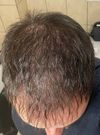
Excess sebum rich in cholesterol and triglycerides can lead to hair loss through inflammation, with treatments like Ciclopirox shampoo, Benzoyl Peroxide shampoo, and Clindamycin gel recommended for managing conditions like seborrheic dermatitis and folliculitis. Pioglitazone is suggested for Lichen Planopilaris, while Omega-3s and reducing processed foods may improve sebum quality, though genetic factors play a significant role.
The conversation is about making homemade topical finasteride, discussing mixing it with Kirkland minoxidil and creating a solvent with alcohol, glycerin, and water. A formula suggestion includes 50% ethyl alcohol, 25% propylene glycol, and 25% distilled water.
The conversation discusses making homemade topical solutions of dutasteride or finasteride using tablets, with suggestions to use alternatives like MinoxidilMax or stemoxydine due to difficulties in formulation. Some users recommend sticking to oral pills for effectiveness and ease.
The conversation is about making a topical finasteride solution by dissolving crushed finasteride tablets in an alcohol-based hair treatment. Ingredients of the hair treatment include alcohol, water, and various plant extracts and preservatives.
The conversation is about finding shampoos with Piroctone Olamine in the US for itch relief, as the user has not found relief with Keto shampoo, oral Dutasteride, and oral Minoxidil. Users suggest alternatives like Neutrogena T/Gel and online options, but note availability and price issues.
The conversation discusses the best vehicle for topical dutasteride, comparing Trichosol, Transcutol, and a gel version. It also mentions using Transcutol with ethanol to enhance transdermal delivery of Bimatoprost.
A user is considering a hair loss treatment lotion containing minoxidil, adenosine, caffeine, melatonin, and azelaic acid, questioning the interaction between caffeine and adenosine receptors. Another user suggests adding a topical anti-DHT ingredient like spironolactone, noting it should not be taken orally by men.
The conversation is about making RU58841 solutions for hair loss treatment and sourcing ingredients for KB solutions. The user mentions using RU58841 powder from Shaanxi Greenyobiotech.
The user is experiencing scalp irritation from a compounded treatment of finasteride, minoxidil, and tretinoin. They are considering switching to a non-alcohol, propylene glycol-free formula with a lower tretinoin percentage to reduce irritation.
Fatty acid metabolic signaling can activate epithelial stem cells for hair regeneration. Oleic and palmitoleic acids showed the best results, but practical application on humans remains uncertain.
Isopropyl alcohol should not replace ethanol in homemade topical finasteride serums due to potential toxicity with frequent use. Denatured ethanol, also known as parfum or cosmetic alcohol, is a safer alternative.
The conversation discusses creating a topical hair loss treatment by dissolving melatonin in ethanol and possibly mixing it with castor oil, questioning the stability of the solution. An alternative of using glycerin is also considered.
Follicusan DP is discussed as a potential alternative to Minoxidil without side effects, but information is scarce. It is noted to be of German origin and details on its mechanism are limited.
Oleic acid and ethanol are being considered for hair regrowth, with some users planning to self-experiment. There is skepticism about their effectiveness, and ongoing use of treatments like finasteride and minoxidil is mentioned.
The conversation discusses using S5 plus cream (Spironolactone, Alfatradiol, and Tempol) as an alternative to finasteride for hair loss, with concerns about its effectiveness and potential systemic absorption. The original poster already uses 5% minoxidil and is seeking alternatives due to fears of finasteride's side effects.
A user discusses using Alpecin Caffeine Liquid for scalp health and considers dissolving finasteride tablets into it for a DIY topical treatment. They inquire about potential absorption issues with this method.