The conversation humorously discusses hair loss treatments, specifically mentioning the use of finasteride, minoxidil, and RU58841. The tone is satirical, with the user playfully referring to themselves as a "finasteride D-rider."
The conversation humorously discusses hair loss treatments, focusing on finasteride, dutasteride, minoxidil, and microneedling. Users share experiences and opinions on the effectiveness and side effects of these treatments.
Minoxidil, finasteride, and RU58841 are discussed as hair loss treatments. Users express skepticism about certain products, with some preferring simpler options like caffeine-based products.
A 27-year-old woman is seeking advice on hair loss treatments, considering options like Spiro, Viviscal tablets, Rogaine, dermarolling, Nizoral shampoo, saw palmetto, castor oil, jojoba oil, and spearmint tea. She has a history of hair loss since childhood, has tried various treatments, and is looking for effective solutions before accepting her condition.
The user checked iron, ferritin, B12, zinc, testosterone, DHT, and estrogens to understand hair loss causes and the effects of dutasteride. They also noted increased heart rate and paleness with oral minoxidil.
Finasteride prescriptions in France now require an annual certificate acknowledging psychiatric and sexual risks, as the European Medicines Agency recognizes these risks. The conversation discusses the potential mental health effects of Finasteride, with some users reporting side effects and others questioning the statistical significance of these findings.
Using a microdose of finasteride on the scalp with minoxidil as a carrier may have positive effects with minimal side effects. The user is also considering the effects of sulforaphane or broccoli sprouts on hair loss.
The conversation discusses the presence of sulfates in Nizoral and Head & Shoulders shampoos. The user seeks advice on whether to return Head & Shoulders for a sulfate-free alternative and recommendations for a second shampoo/conditioner to alternate with Nizoral.
User shares 3-month progress on 1 mg finasteride daily, experiencing increased appetite as a side effect. They also use microneedling, topical minoxidil, and mielle rosemary mint scalp and hair strengthening oil.
The conversation discusses hair loss linked to BDNF-increasing nootropics like Semax and Lions Mane. Suggested topical treatments include capsaicin, beta-glucan, and ginseng to counteract TGF-B activation.
OP is using scalp massages, dermastamping, and rosemary oil for hair improvement, with mixed opinions on effectiveness. Some suggest lighting affects perceived results, while others recommend treatments like finasteride, dutasteride, and RU58841 for better outcomes.
The user started treating their slightly thinning, receded hairline with a serum containing Redensyl and other ingredients, and dermarolling weekly. They recently began taking finasteride and plan to stop Redensyl in the future to test if hair loss resumes.
The conversation is about a topical spray containing finasteride, minoxidil, and tretinoin, with users discussing its effectiveness compared to more established brands. One user mentions using a product with 5% minoxidil, 0.15% finasteride, and 0.15% tretinoin.
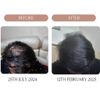
A 28-year-old shared impressive hair regrowth results after 5 months using 1mg oral finasteride every other day, 2.5mg oral minoxidil daily, a 1mm dermastamp weekly, and daily scalp massages. The user is hopeful for continued progress.
Treatment options for female alopecia androgenetica, discussing the availability of spironolactone online in The Netherlands and other potential treatments like finasteride, minoxidil and RU58841.
User reports using 0.5mg finasteride, 12.5mg zinc daily, and keto shampoo weekly for hair loss. After one month, there's a slight reduction in hair shedding and no side effects.
A user shared their 3-month experience using finasteride, reporting no side effects and noticeable hair improvement. Their regimen included finasteride, keto nizoral, biotin, multivitamins, omega-3, flaxseed, and a high-protein diet.
Dutasteride mesotherapy, combined with peptides and exosomes, is being considered for hair loss treatment. One user suggests that oral finasteride or dutasteride mesotherapy may not be necessary if already taking oral dutasteride.
The conversation is about a user suspecting excessive soy consumption caused their hair loss and considering removing soy from their diet. Another user suggests balancing soy with other nutrients, as soy is generally thought to protect hair.
A dermatologist recommended Evening-Primrose Oil, Biotin, Zinc, Vitamin D, and K to block DHT and address hair loss. The user is considering these alternatives to prescription drugs like finasteride.
Long-term use of finasteride and dutasteride may be linked to health risks like fatty liver disease, insulin resistance, type 2 diabetes, dry eye disease, and potential kidney disease. Some users believe the risks are low and the medications are generally safe.
A 21-year-old male shares progress pictures showing improvement in hair growth using daily topical minoxidil 5%, microneedling 1.25mm, and 500mg of saw palmetto. He reports new and healthy hair growth, indicating success in managing androgenic alopecia.
The conversation discusses hair loss treatment progress using Minoxidil, a 0.5mm derma stamp, and caffeine serum, with additional use of rosemary, peppermint, and olive oil. The user is avoiding DHT blockers like Finasteride due to potential interference with other medications.
Coconut oil may act as a natural conditioner but can clog pores, while castor oil might promote hair growth and help with dandruff. Users suggest trying lighter oils like apricot or grapeseed for better results.
Low-dose topical finasteride may reduce scalp DHT with fewer side effects than oral finasteride, though it can still lower blood serum DHT. Users report varying experiences, with some finding topical use effective and side-effect-free, while others note significant DHT suppression.
The user is experimenting with taking 1-1.5ml of pure castor oil orally daily as an alternative to minoxidil for hair growth. They aim to find a safer option that promotes overall body and head hair growth without the side effects of minoxidil.
A gel of keratin microspheres promotes hair follicle growth, showing similar effectiveness to minoxidil in mice. The treatment activates hair growth pathways and reduces inflammation, with potential applications in drug delivery for hair-related disorders.
A user humorously discusses hair loss, using treatments like Dutasteride, Finasteride, Minoxidil, and RU58841, and jokingly considers satanic rituals as a solution. The conversation includes satirical responses about trading one's soul for hair.
An arthritis drug, baricitinib, is discussed as a potential treatment for autoimmune alopecia, not androgenetic alopecia. Ritlecitinib is also mentioned as a possible treatment for scarring alopecia.