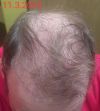
The user is treating hair loss with dermarolling, a laser helmet, scalp massages, and Nizoral. They stopped using minoxidil and finasteride and are considering pumpkin seed oil and sulforaphane.
Fluridil, also known as Topilutamide or Eucapil, is discussed as a treatment for hair loss. It is noted as an androgen receptor antagonist, not a vasodilator.
The conversation is about comparing the effectiveness of fluridil and clascoterone in preventing hair loss and inquiring about their use as standalone treatments. There is a question about the concentration of the fluridil brand for efficacy.
The user is experiencing white flakes and a greasy look from using a topical solution containing 0.025% finasteride, 8% minoxidil, 0.01% retinoic acid, and 1% hydrocortisone. Suggestions include reducing application frequency, using a brush to clean the scalp, and considering alcohol-free alternatives.
The conversation discusses the progress of Clascoterone (Breezula) for hair loss treatment, noting that COVID-19 delayed female trials by three months but Phase III trials for males are proceeding with a Special Protocol Assessment filed with the FDA. Users express hope for Breezula as an alternative to existing treatments like finasteride and minoxidil, despite concerns about its potential high cost.
Zinc pyrithione and piroctone olamine are effective for reducing hair shedding, possibly more so than ketoconazole. There is a concern about zinc pyrithione shampoo interfering with minoxidil, but it's unclear if this is proven.
The conversation discusses a clinical trial for Setipiprant in the US, starting June 29th, with eligibility excluding recent users of minoxidil or finasteride. It encourages informed decision-making before signing up.
Fish oil capsules may help hair growth by improving blood flow, but should be used alongside minoxidil for better results. Trusting unverified claims is discouraged.
A user is testing clascoterone (Winlevi) on their scalp for hair loss and has noticed a reduction in scalp sebum after one month. They are also using other unspecified treatments and plan to provide an update after the second month.
The conversation discusses a hair loss and scalp care routine involving ciclopirox shampoo, benzoyl peroxide, clindamycin gel, clobetasol propionate, and calcipotriol to manage seborrheic dermatitis, folliculitis, and inflammation. It also touches on the role of diet and other treatments like oral minoxidil and pioglitazone for scalp health.
Finasteride is humorously claimed to enable communication with sea mammals, with users sharing exaggerated side effects and alternative hair loss treatments like olive oil and onion. The conversation is satirical, with users joking about unusual experiences and results.
The conversation discusses the removal of Breezula phase II 12-month results by Cassiopea and the search for the original data. Concerns were raised about potential negative long-term effects on hair growth, such as androgen receptor upregulation.
Hair loss treatments discussed include Fluridil, Minoxidil, Stem, Niz, Viviscal, Broccoli Sprouts, and Derma. One user claims most treatments are ineffective, while another supports Eucapil.
The user is using 2.5mg oral Minoxidil, rosemary mint oil, scalp massaging, a derma roller, multivitamins, and hair vitamins for hair regrowth. They are considering adding pumpkin seed oil, a derma pen, and saw palmetto vitamins, and are advised to consider finasteride.
The user stopped using minoxidil due to side effects and is trying alternatives like vitamin D supplementation, scalp massages, cold showers, oil treatments, zinc shampoo, and dermarolling. They report improved scalp health and some new hair growth, despite skepticism from others about the effectiveness of these methods.
The conversation discusses alternatives to RU58841 for hair loss treatment, with suggestions including topical spironolactone, peppermint and rosemary oils, and saw palmetto. The user also considers ordering RU58841 from China but finds it too expensive.
Alfatradiol is used as a mild treatment to slow or stabilize hair loss, often alongside finasteride and pumpkin seed oil. Users report reduced shedding and minimal side effects, but minoxidil is noted as more effective for regrowth.
The user shared their experience with CB-03-01 (Breezula/Clascoterone) for hair loss, noting reduced shedding and improved hair appearance but experiencing significant sleep disturbances and low energy due to HPA axis suppression. They decided to stop using it due to these side effects and are waiting for GT20029 as an alternative.
The conversation discusses using a hair wax containing propolis and Eruca sativa seed oil for hair growth. It also mentions treatments like Minoxidil, finasteride, and RU58841.
Treating the itch associated with male pattern baldness, which is believed to be caused by DHT. Potential treatments discussed include salt water, finasteride, ketoconazole, and RU58841.
The conversation is about adding Swisse Hair Nutrition for Men, which contains saw palmetto and various vitamins, to a Minoxidil and finasteride regimen to potentially enhance hair growth. The user is seeking feedback on the effectiveness of stacking these supplements with their current treatment.
A new hair loss treatment theory beyond minoxidil and finasteride is proposed, causing mixed reactions in the community, with some members eager to explore and support it, while others call for more research and evidence.
Clascoterone (Breezula) shows a potential 500% increase in hair growth, possibly outperforming minoxidil and finasteride. It is in advanced trials, with hopes for FDA approval, but cost and side effects are concerns.
A user is seeking a recipe to create a topical solution using Minoxidil tablets, rosemary, peppermint, and possibly coconut oil. They are asking for specific amounts and mixing instructions.
The conversation discusses using scalp antiandrogens like RU58841, pyrilutamide, or fluridil on the face to reduce sebum production, noting that clascoterone (winlevi) is an approved facial antiandrogen with underwhelming reviews.
SCUBE3 is a promising new molecule that can restart hair growth by reawakening dormant hair follicles. Users express skepticism about its availability timeline, with some hoping for release by 2026.
Minoxidil is causing severe scalp irritation, including itchiness and dryness, for the user. Alternatives suggested include anti-fungal treatments, propylene-glycol-free formulations, and possibly oral minoxidil.
RU58841 is discussed as a treatment that stops scalp itching when used with finasteride or dutasteride. The user is considering trying RU58841 due to persistent itching despite using the "big 3" treatments.