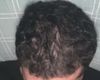
PRP treatments have been effective for the user, with a new recommendation of using a high-quality plasma kit once a year. The user seeks experiences with this specific PRP approach.
Despite using treatments like Dutasteride, Minoxidil, RU58841, and GHK-Cu injections, the individual continues to experience aggressive hair thinning and is seeking a specialist for further help. Suggestions include trying finasteride, dermarolling, or another hair transplant.
Melatonin at a 0.0033% concentration shows results for hair loss when used topically. A user is discussing how to replicate this by adding 2mg of Melatonin to 60ml of Minoxidil solution.
Breezula shows promise in stabilizing hair loss and potentially promoting regrowth at the one-year mark, offering hope for those who can't tolerate 5AR inhibitors. Its local targeting of androgen receptors could be a significant advancement if it avoids systemic side effects.
A healthy scalp barrier is crucial for hair growth, and ceramides may play a key role in maintaining it. The conversation suggests that focusing on scalp health, alongside treatments like Minoxidil, Finasteride, and RU58841, could improve hair follicle health.
Topical finasteride with hydroxypropyl chitosan shows significantly less serum absorption and minimal DHT reduction compared to oral finasteride. Users need the specific chitosan formulation to avoid side effects seen with regular ethanol+PG solutions.
Reducing the dose of RU58841 from 25mg to 7.5mg topically helped minimize heart palpitations. Users discussed the cardiac effects of RU58841 and minoxidil, noting that no treatment is completely free of side effects.
A 17-year-old is experiencing hair thinning all over, possibly due to low vitamin D levels. They are advised to consider vitamin D supplementation and check other factors like iron or thyroid function.
The conversation discusses using Rogain foam as a solvent for topical finasteride due to an allergy to propylene glycol. The foam's ingredients, including alcohol SD 40B, are considered suitable for dissolving finasteride for easier application without skin irritation.
Using 0.025% tretinoin may enhance minoxidil's effects for hair loss. Users suggest starting with 0.025% and gradually increasing the concentration, and discuss combining treatments like microneedling.
Oral minoxidil may cause heart palpitations, especially in those sensitive to caffeine. It's advised to consult a doctor and consider starting at a low dose or using topical minoxidil.
Mixing topical finasteride with essengen f and stemoxydine creates 0.25mg dose in 2ml. Minoxidil max suggests mixing 8.5ml essengen f with 60ml solvent for 0.25mg dose in 1ml.
A 16-year-old is asking if their hair situation has improved after using rosemary oil, rosemary water, derma rolling, and ketoconazole, and is considering starting Minoxidil. Replies comment on the user's hairiness and high DHT levels.
Beard gains from minoxidil are usually permanent due to facial hair follicles' lower sensitivity to DHT. Scalp hair requires ongoing DHT suppression with treatments like finasteride, dutasteride, and RU58841 to maintain gains after stopping minoxidil.
The conversation discusses a new 0.3% tretinoin topical launched by MinoxidilMax for mixing with other solutions, with some users expressing concern about potential skin irritation compared to lower concentrations. MinoxidilMax has also released other products like topical Dutasteride and RU58841.
Carnosic acid in rosemary extract may enhance skin repair and promote hair follicle regeneration. It could be used alone or with verteporfin for scarless healing after dermal wounding.
A user is creating a custom topical hair regrowth serum using minoxidil, bimatoprost, tretinoin, castor oil, and hyaluronic acid. They are also using dutasteride, oral minoxidil, and castor oil in their current regimen.
A 24-year-old male experienced an increase in estradiol levels and symptoms like gynecomastia and excessive sweating after using Minoxidil for hair loss. His estradiol levels decreased after he stopped using Minoxidil.
The conversation is about using Tretinoin with Minoxidil for hair loss treatment, discussing the effectiveness and personal experiences with different concentrations. The image linked in the post received negative reactions for being unpleasant.
Taking oral Vitamin D alongside topical minoxidil improves hair density more than using minoxidil alone. Users discuss Vitamin D dosages, potential benefits, and the importance of combining it with Vitamin K2.
The conversation humorously discusses the fictional "Post PP405 Syndrome" and the idea of starting a foundation or cult around it. It mentions skepticism about the effectiveness of PP405 and jokes about future therapies.
The conversation discusses unconventional methods for hair regrowth, including scalp trauma like burning or microneedling, and compares them to treatments like Minoxidil and Finasteride. It highlights skepticism about these methods and the body's unpredictable healing responses.
The conversation is about making a 20mg/ml RU58841 solution for hair loss treatment using ethanol and propylene glycol. The user receives advice on calculating the correct amount of RU58841 powder needed.
Exploring different treatments for hair loss, such as cosmeRNA and HMI-115 which are small interference messenger RNA that inhibits the DHT receptor and an antibody that binds to the prolactin (PRL) receptor respectively; and researching mechanism and environment of hyperresponders.
A 23-year-old male using minoxidil once daily is concerned about hair loss and hesitant to use finasteride due to potential side effects. Suggestions include adding finasteride, exercise, cold showers, spicy food, infrared exposure, sunbathing, and tretinoin.
Comparing the effectiveness of RU58841, Pyrilutamide and CB-03-01 as treatments for hair loss, with people discussing different aspects such as binding affinity, time of inhibition, safety data and cost.
Topical diazoxide may be a promising hair regrowth treatment, especially for those who don't respond to minoxidil, as it activates potassium channels without needing sulfation. It appears safe for topical use, avoiding systemic effects seen in oral use.
User found hair loss stabilization without side effects using a topical solution of 0.008% Finasteride, 2% RU, and Stemoxydine. Other treatments like Eucapil, Fluridil, RU-monotherapy, and Pyrilutamide didn't work for them.