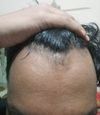
Dutasteride can lead to increased cholesterol and liver fat. The user is reconsidering its use due to high cholesterol and lipid levels despite a healthy lifestyle.
A user is starting a hair loss treatment regimen with finasteride three times a week, minoxidil once daily, and daily supplements of pumpkin seed oil, biotin, zinc, and magnesium. They are also following a strict no alcohol, no high sugar diet, and regular exercise, and plan to post updates.
Dutasteride taken three times a week is more effective for hair regrowth than daily finasteride, with fewer side effects. Some users combine dutasteride and finasteride for better results, while others prefer dutasteride alone due to its longer half-life and potential fertility concerns.
The user switched from liquid to foam minoxidil to reduce skin irritation but finds foam harder to apply effectively to the scalp. A suggestion was made to melt the foam into a liquid for easier application.
The user added 0.5mg dutasteride to their regimen of topical finasteride and minoxidil but experienced rapid hairline recession despite reduced hair fall. Suggestions included increasing the dutasteride dosage to 1mg daily to better suppress DHT and potentially adding oral minoxidil.
A 22-year-old male has been using Dutasteride 0.5 mg every other day and Minoxidil 5% daily since December 2024 for hair loss, with no side effects reported. Users discuss varying dosages of Dutasteride, with some expressing concerns about higher doses.
Beard hair grown with minoxidil can become permanent because it is not sensitive to DHT, unlike scalp hair, which requires ongoing minoxidil use even with DHT blockers like finasteride or dutasteride. Dutasteride reduces scalp DHT significantly but not completely, which may explain why scalp hair still needs minoxidil for maintenance.
A user switched from finasteride to dutasteride after 6.5 years due to hair thinning and may add oral minoxidil if needed. They are worried about shedding and side effects but hope for better hair density with dutasteride.
A user started taking 2.5mg Dutasteride for hair loss, along with oral Minoxidil, and is concerned about liver impact. Other users warn about the high dosage and potential health risks.
The conversation is about a 23-year-old man's positive experience with hair regrowth using oral finasteride (1mg daily) and topical minoxidil (twice daily), with initial side effects including zero libido and watery semen that resolved except for the semen consistency. He also used dermarolling initially but stopped due to brittleness.
Alfatradiol (0.025%) is an effective and safe treatment for androgenetic alopecia in both men and women, increasing anagen hair rates with minimal side effects. Users discuss its cost-effectiveness and ease of use compared to other treatments like finasteride and RU58841, with some combining it with stemoxydine and Minoxidil.
The conversation discusses hair loss treatments, focusing on reducing scalp itching and dandruff using natural shampoos, witch hazel, and apple cider vinegar. The user also mentions using finasteride and observing potential regrowth, though it's difficult to confirm.
How actor Ashton Kutcher used Dutasteride (Avodart) to treat his hair loss at age 25, but stopped taking it due to potential side effects when he wanted to have kids; and the discussion of various treatments for hair loss such as finasteride, minoxidil, and RU58841.
Minoxidil can inhibit collagen production, potentially causing premature aging. The user is inquiring if Vitamin C serum or derma rolling can counteract this effect.
A teenager experiencing hair loss is using minoxidil, a derma roller, and plans to add ketoconazole shampoo to their routine. They are advised to continue this regimen consistently for at least six months to see results, with the shedding being a normal part of the process.
Hopeful treatments for hair loss, including Verteporfin, Androgen Receptor Degradation, and SCUBE3. These treatments offer potential solutions to slow or stop the effects of androgens on the scalp.
The user has been using finasteride and oral minoxidil for hair loss but hasn't seen improvement and is quitting nicotine and caffeine to see if it helps. Some believe quitting nicotine improved their hair health due to better blood flow, while others are skeptical about the impact of blood flow on hair loss.
The user has been using finasteride for six years and minoxidil for three years with no noticeable hair regrowth. Suggestions include switching to dutasteride, considering a hair transplant, and trying microneedling.
A person is microdosing estrogen for hair loss after finasteride and dutasteride failed, risking feminizing effects. Alternatives like minoxidil, RU58841, or hair transplants are suggested.
Fatty acid metabolic signaling can activate epithelial stem cells for hair regeneration. Oleic and palmitoleic acids showed the best results, but practical application on humans remains uncertain.
The user switched from finasteride and topical minoxidil to dutasteride and oral minoxidil, experiencing some hair shedding but maintaining hair quality. Suggestions include increasing oral minoxidil dosage, considering a hair transplant, and using dermarolling, while some users recommend stopping treatment altogether.
Dutasteride and finasteride for hair loss, with dissatisfaction expressed about dutasteride and consideration of switching back to finasteride. Users share varied experiences, noting individual responses to treatments differ.
The user experienced successful hair regrowth with Finasteride and Minoxidil but developed erectile dysfunction and abdominal pain, possibly due to medication or lifestyle changes. They plan to consult a urologist and consider adjusting medication or trying supplements like zinc, DIM, or boron.
Hair loss is emotionally challenging, but acceptance and focusing on other life aspects are important. Treatments like finasteride, minoxidil, and RU58841 are discussed, with emphasis on the emotional impact over physical changes.
Creatine does not significantly affect DHT levels or cause hair loss. Some users continue using finasteride and minoxidil while taking creatine, expressing skepticism about its impact on hair loss.
A user shared progress pictures after 9 months on finasteride, starting with 0.25 mg and increasing to 0.5 mg daily, noting improved hair density, especially at the crown, with initial side effects that resolved after the first month. The discussion includes user experiences with finasteride, concerns about side effects, and alternative treatments like rosemary oil and platelet-rich plasma therapy.
Dutasteride is more effective than Finasteride for hair loss, with similar safety profiles. Individual responses vary, and factors like Minoxidil use and age differences may influence results.
Dutasteride users have mixed results in hair loss treatment, with some experiencing improvements and others worsening. Some report metabolic changes like weight gain or diabetes, while others have no significant side effects.
The conversation is about a user struggling with hair loss despite using dutasteride, finasteride, minoxidil, and dermaneedling. The user is considering other treatments but is hesitant to use RU-58841 due to side effects and is seeking advice on alternative solutions.
A dutasteride simulator predicts that daily 0.5 mg dosing results in higher DHT suppression compared to less frequent dosing. Twice-weekly dutasteride may be as effective as finasteride 5 mg, providing a balance between efficacy and ease of use.