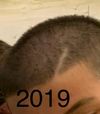
The user is using minoxidil, finasteride, dutasteride, and clobetasol, along with needling, to combat hair loss. They are considering stopping treatment if no improvement is seen.
Mixing charcoal, Ketoconazole, and caffeinated shampoo is questioned for potential interaction, specifically if charcoal inactivates other ingredients. Charcoal is used for seborrheic dermatitis, while caffeine is thought to improve scalp blood flow.
User is using minoxidil with tretinoin 0.025% and experiencing peeling and burning on the scalp. They are unsure if it's effective or if they are using it too frequently.
Piroctone olamine is more effective than ketoconazole for increasing hair growth and reducing itching and dandruff. Treatments discussed include Minoxidil, finasteride, and RU58841.
The user started using 0.1% finasteride and 5% minoxidil twice daily and experienced an itchy scalp. Suggestions include checking for allergies, dry scalp, or seborrheic dermatitis.
Topical finasteride that doesn't penetrate the skin could potentially treat hair loss without side effects. Current challenges include finding a formulation that remains on the scalp without increasing blood levels.
A 19-year-old male with seborrheic dermatitis (SD) experienced significant hair loss and uses keto shampoo, zinc, and Nizoral to manage it. He inquires about the potential for regrowth and whether adding finasteride would help.
High-dose Dutasteride slightly reduces scalp itch, but adding RU58841 eliminates it completely. Some users report reduced itchiness and oiliness with Dutasteride, while others find topical anti-androgens more effective.
User has itching, dandruff, and scalp issues, considering Nizoral 1% shampoo for treatment. Nizoral's effectiveness for hair loss is uncertain due to limited research, short contact time, and concentration differences.
Adding Nizoral Shampoo (ketoconazole 2%) improved hair quality and reduced scalp irritation. Alternatives like zinc pyrithione shampoo and Piroctone Olamine were also discussed.
Lichen Planopilaris (LPP), a form of permanent hair loss, which can be mistaken for seborrheic dermatitis and is characterized by scalp itching, burning, redness, and dandruff. Treatment options discussed include steroidal creams, finasteride, minoxidil, and RU58841.
The conversation is about applying tretinoin on the scalp for hair loss, with tips on mixing it with minoxidil foam and using a thin layer to avoid flaking and dryness. Suggestions include exfoliating with rosemary or coconut oil and wearing a hat for sun protection.
A user is treating hair loss with oral finasteride, topical minoxidil, and tretinoin mixed with moisturizer for easier scalp application. They also plan to use a derma pen weekly.
The conversation is about compounding topical cyclosporine for hair loss, suggesting it needs an oil base like castor oil. The user seeks tips or tricks for the process.
Aloe vera gel can help reduce scalp inflammation and "DHT itch" associated with hair loss, particularly in those with androgenic alopecia and seborrheic dermatitis. It's suggested to use aloe vera alongside treatments like finasteride and ketoconazole shampoo to manage symptoms and promote scalp health.
Adding non-prescription topicals like alfatradiol and Zix to a standard fin/min/niz regimen may help with scalp inflammation and shedding, but their long-term effectiveness varies. Zix is recommended for reducing scalp inflammation and enhancing the effectiveness of other treatments.
The user added witch hazel to their routine with finasteride and topical minoxidil to reduce scalp itching and potentially help with hair loss. They find witch hazel affordable and effective for itch relief, though its impact on hair loss is still uncertain.
A male in his early 20s with CCCA (scarring alopecia) started treatment with Finasteride, Fluocinolone, and Doxycycline. Steroid injections were suggested but not yet done.
Users discuss whether Koshine reduces sebum and scalp itchiness. Some report reduced sebum and seborrheic dermatitis, while others debate the effectiveness of anti-androgens like RU58841 for hair loss.
The user is considering switching from pyrilutamide to 0.025% topical finasteride due to concerns about effectiveness and past side effects from a scalp elixir. They aim to maintain hair until new treatments like breezula or GT00029 become available.
The conversation discusses using isotretinoin (Accutane) to reduce scalp oiliness and manage scalp issues like seborrheic dermatitis, inflammation, and chronic itch. A user shares that taking 20mg of Accutane every other day effectively reduces oily hair and skin.
The acne medication Winlevi, which contains Clascoterone, is available in the U.S. and may slow down hair loss until a higher concentration treatment, Breezula, is released.
The conversation is about a new acne treatment cream called Clascoterone Cream 1%, which is the first new mechanism of action for acne in nearly 40 years. One person joked about hoping their face will be as clean as their bald head after using the cream.
The user experienced genital itching while using finasteride and noticed a yellow bump, which improved with clotrimazole, but the itching persists. The discussion focuses on side effects of finasteride.
Finasteride users often experience itchy scalps, which may improve over time, but many rely on ketoconazole shampoo to manage symptoms. Some users find that finasteride helps with hair shedding, but not with scalp irritation, which may require additional treatment.
RU58841 cured seborrheic dermatitis, oily scalp, dandruff, and scalp pain, improving hair health when combined with Minoxidil. Another user noted diet impacts their seborrheic dermatitis and that finasteride hasn't changed their condition.
The conversation discusses a hair loss treatment regimen involving a homemade topical solution of Minoxidil and Tretinoin, combined with Finasteride and microneedling. Users share advice on Tretinoin application, emphasizing gradual use to avoid skin irritation.
Selenium sulfide shampoo helped with a sore scalp but may cause hair root damage. Users experienced hair loss with selenium sulfide and ketoconazole, suggesting reducing use if hair loss occurs.