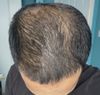
Finasteride can reduce semen volume due to prostate shrinkage but doesn't affect fertility. To increase semen volume, consider zinc, lecithin, and reducing finasteride dosage.
OP wants to increase pyrilutamide concentration from 0.5% to 1% while already using finasteride. Users suggest waiting for a commercial 1% solution and caution against using grey market products.
The user had a hair transplant 5 years ago and is currently using 1 mg finasteride and topical minoxidil but is not seeing an increase in hair volume. They are considering another transplant to improve hair volume.
HairClone plans to start hair multiplication services in 2022. Users discuss various treatments like Minoxidil, finasteride, PRP, and hair cloning, expressing both hope and skepticism about the technology and its costs.
Han Bio plans to start clinical trials for a new hair multiplication technology this year, which could significantly reduce the cost and time of hair transplantation. The technology uses a single hair strand to cultivate enough cells for 30,000 hair strands.
A breakthrough in hair follicle cultivation using induced pluripotent stem cells (iPSCs) has been achieved, producing large hair follicles suitable for transplantation. Clinical trials for this hair multiplication technology are planned in partnership with Yinguan Biotechnology.
A user reports hair loss despite using minoxidil and plans to increase their oral minoxidil dose gradually while also taking finasteride, dermarolling weekly, and applying topical stemoxydine nightly. They shared a link suggesting that increasing minoxidil dosage can improve hair growth and thickness.
A pharmacy error resulted in a finasteride solution being 100 times stronger than prescribed, not 10,000 times as initially feared. OP is advised to contact the pharmacy to clarify the preparation before traveling.
A 24-year-old male is increasing his dutasteride dosage from 0.5mg to 1mg daily due to continued hair thinning despite using finasteride, dutasteride, and topical minoxidil. Another user suggests trying oral minoxidil for potentially better results.
The user has been using MinoxidilMax Latanoprost 0.01% and noticed an increase in hair density after years of stability on finasteride and minoxidil. They are seeking help to find a higher dosage of Latanoprost or a reliable source to purchase the powder to make their own, without a prescription or high cost.
The user is experiencing gradual hairline regrowth with finasteride and is considering increasing the concentration of topical finasteride and minoxidil to speed up growth. They are also using microneedling and considering adding tretinoin to their routine.
The user experienced increased hair miniaturization and shedding despite using finasteride, topical minoxidil, microneedling, and other treatments. They are considering more aggressive treatments or a hair system if no improvement occurs by the end of 2025.
The user has scheduled a hair transplant after stabilizing hair loss with finasteride and minoxidil, considering additional dermarolling. They are advised to use 2500-3000 grafts conservatively for temple filling without lowering the hairline too much.
The conversation is about a user switching to a more aggressive hair loss treatment, adding dutasteride 0.5mg and oral minoxidil 2.5mg to their current regimen of finasteride 0.02%, minoxidil 5%, biotin, massages, and microneedling. Users suggest increasing finasteride dosage and caution about potential side effects of oral minoxidil.
Volume boost shampoos, specifically Schwarzkopf Professional Bonacure Collagen Volume Boost Micellar Shampoo, may potentially impact hair due to creatine's effect on DHT. The user likes the shampoo for its gentle nature and thickening effect but is concerned about long-term use.
GT20029 showed promising results for hair growth in a Phase II trial, with the 1.0% twice-weekly regimen being the most effective. Some users expressed skepticism and humor about the product's effects and market availability.
The user plans to make a hair loss treatment combining minoxidil, finasteride, and melatonin, and wants to dilute it for a larger coverage area. They are seeking advice on how to dilute the solution and where to purchase the diluting agent.
The conversation humorously discusses exaggerated hair growth results using 500mg finasteride and 1000mg minoxidil daily, with side effects including a bloody nose and lowered libido. It also jokes about microneedling, hair transplants, and elephants, suggesting the post is satirical.
A user started taking 2.5mg oral Minoxidil (OM) and 1mg Finasteride after using topical Finasteride, Minoxidil, and Tretinoin for 2.5 months. They are considering increasing the OM dose before an upcoming hair transplant to improve its success.
The conversation discusses using P5P (Vitamin B6) supplements to reduce elevated Prolactin levels and concerns about its potential effect on increasing DHT levels. The user is not currently using finasteride or any anti-androgens.
The user is experiencing significant hair regrowth using 1mg finasteride, 5mg minoxidil, and biotin since April, and may not need a hair transplant. Another user suggests that if a transplant is desired, around 4,000 grafts could provide good coverage.
A user increased their finasteride dosage from 0.5 mg to 1 mg due to ongoing hair miniaturization, despite some improvement. They are considering dutasteride and have not used minoxidil, but are cautious about potential side effects.
Low-Butterscotch-608's progress in treating their hair loss with finasteride and minoxidil over the course of two years, as well as opinions on whether they should consider a hair transplant to address further receding. Replies included advice about adding microneedling to the protocol.
Increasing the finasteride dosage from 1mg every other day to 1mg daily can cause increased shedding, which is normal as hair follicles adjust. Shedding may stabilize in a few weeks to months, and sticking with the new dosage could lead to better long-term results.
The conversation is about enhancing dermarolling for hair loss by using topical peptides like tb-500 or GHK-Cu to aid in healing and hair growth, and whether anyone has experienced significant results from this method.
The conversation discusses using very low dose topical finasteride to achieve specific serum DHT reduction percentages. It concludes that finasteride dosage increases linearly between 5-30% DHT reduction but requires exponential increases for reductions up to 70%.
The user started taking 1 mg finasteride daily in September 2024 and began derma stamping twice a week, noticing progress initially but now experiencing increased scalp visibility. They are considering adding oral or topical minoxidil to their routine for further improvement.
A user is considering adjusting their hair loss treatment, currently using 1.0mg finasteride, 2.5mg minoxidil, 5% minoxidil foam, and Nizoral 1%. They are seeking advice on whether to increase dosages or switch treatments, and if reducing dosages later would affect their progress.
A 19-year-old male shared his 10-month progress using finasteride, starting at 0.25mg and increasing to 1.25mg daily, noting new hair growth at the temples. He experienced a significant shed at 6 months but reported no side effects from increasing the dosage.
PP405's effectiveness in increasing hair density is questioned due to a small sample size, despite investment from Google Ventures. Users express skepticism and suggest waiting for more conclusive results.