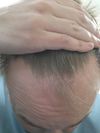
User switched from Fin to Dut for better hair loss results, using 0.5mg Dut and 1ml Min daily. Some discuss potential side effects and benefits of Dut compared to Fin.
Why the top of the head is affected by hair loss more than other areas, and treatments such as surgery, medications like minoxidil, finasteride, and RU58841 to treat it.
User experienced hair regrowth with minoxidil and dermarolling for 3 months. Routine includes applying 1ml minoxidil nightly and dermarolling with 0.5mm needles twice a week.
A 26-year-old man from France started experiencing hair loss in September 2020 and began using finasteride in June 2021, reporting some improvement after three months without side effects. He plans to continue finasteride for a year before considering additional treatments like minoxidil or dermarolling.
Hair transplant success largely depends on individual biology, with many patients needing multiple procedures to achieve satisfactory density. Even top surgeons can't guarantee results, and many people use additional treatments like Minoxidil and Finasteride.
The conversation discusses hair loss treatments, focusing on the use of finasteride (fin) and minoxidil (min), with some users recommending dutasteride (dut) for stronger results. Many users emphasize that these treatments are affordable and effective, with some sharing personal experiences of hair regrowth and side effects.
A user is concerned that finasteride isn't working for their hair loss, questioning if it's due to male pattern baldness or low iron levels. They are advised to take finasteride daily and get blood work done.
The user has been using topical Minoxidil and finasteride for 5 months without seeing regrowth, despite ideal blood test results. They are seeking advice on what to do next due to frustration with continued hair loss.
A user shared their hair loss journey, using finasteride since age 18 and adding dutasteride at 30, which halted hair loss and promoted regrowth. They take finasteride daily and dutasteride three times a week, experiencing reduced libido and drier skin as side effects.
A user is experiencing hair loss in the center of their hairline and has been using topical finasteride for seven months with minimal progress. They are considering switching treatments due to concerns about losing ground and potential side effects of other options.
PP405 is seen as a potential breakthrough for converting vellus hairs to terminal hairs, with users expressing both hope and skepticism. It is compared to treatments like minoxidil and finasteride, with discussions on side effects and marketing concerns.
Microneedling may not significantly enhance hair growth when combined with dutasteride and oral minoxidil, as its primary benefit is improving topical absorption. Some users suggest using a 1.5mm depth for potential follicle stimulation, but results and effectiveness vary.
A 27-year-old male with androgenetic alopecia has been using finasteride, topical minoxidil, and microneedling for over six months to stabilize hair loss and prepare for a potential hair transplant. While some users suggest switching to dutasteride and increasing minoxidil usage, others note minimal progress, with some hair stabilization but concerns about thinning at the crown.
A product called "PP405 Hair Follicle Serum" is being sold on Shopee, claiming to cure baldness without clinical trials or FDA approval, but users are skeptical and refer to it as "snake oil." Some users discuss testing the product's contents, while others share their experiences with hair loss treatments like finasteride.
A pharmacy student proposed a hair loss treatment using minoxidil, finasteride, clascoterone, and tretinoin, aiming for high effectiveness with minimal side effects. Reactions were mixed, with some questioning its feasibility and others showing interest.
PP405 is a promising hair loss treatment that may outperform minoxidil and finasteride by reviving dormant follicles and promoting significant regrowth. Results from ongoing trials are awaited, with a potential market release between 2028-2030.
2% fucoidan alleviated AGA symptoms, promoted hair growth, and increased hair density in mice. Fucoidan is considered safe for humans as a supplement and topical skincare product, with potential therapeutic effects against AGA.
PP405 shows significantly better early-stage hair regrowth results compared to minoxidil and finasteride, with 31% of users experiencing over 20% density increase in 4–8 weeks. Minoxidil and finasteride show minimal or no visible regrowth in the same timeframe.
Creatine is unlikely to worsen hair loss for those on finasteride, with no strong scientific evidence linking it to increased hair loss. Many users report no negative effects on hair while using creatine.
The user experienced positive hair regrowth after 6 months of treatment, using topical minoxidil and finasteride, with no significant side effects. They also improved their diet and exercise routine, and are considering dermarolling if progress stalls.
A 27-year-old male has been using finasteride for six years and recently started oral minoxidil to address hair loss, experiencing some side effects like lightheadedness. He is considering shaving his head or a hair transplant while continuing his current treatments.
Creatine does not increase DHT levels or cause hair loss. Personal experiences vary, but scientific evidence shows no link between creatine and hair loss.
Microneedling is supported by research as an effective adjuvant treatment for hair loss, especially when combined with Minoxidil or Finasteride, with minimal side effects if done properly. Concerns about long-term safety and potential risks like infection or fibrosis remain, but many users report positive results.
A 30-year-old man shares his positive experience with hair loss treatment using finasteride, minoxidil, tretinoin, and ketoconazole shampoo over four months, noting significant hair regrowth and increased confidence. He plans to continue the regimen with occasional breaks and emphasizes the importance of critically evaluating information about treatment side effects.
The conversation discusses hair loss treatments, focusing on finasteride, minoxidil, and other options like PRP and ketoconazole. It highlights the importance of asking specific questions during a dermatology visit to determine the cause of hair loss and appropriate treatments.
The user switched from finasteride to dutasteride for hair loss but faced increased shedding and anxiety, regretting not staying with finasteride longer. Other users shared mixed experiences, advising patience with dutasteride, as it may take up to a year to show results.
Microneedling combined with 5% Minoxidil and finasteride significantly improves hair growth compared to using Minoxidil or Minoxidil with finasteride alone. The combination treatment is safe and effective, but further research is needed due to small sample size and short study duration.
Finasteride can affect sperm quality, but fertility usually returns after stopping it, as shown by a user who conceived four months after discontinuation. Some users successfully conceive while on finasteride, though some prefer to pause its use to minimize risks.
People discussed starting hair loss treatments like finasteride, dutasteride, and minoxidil due to personal experiences or comments about their hair loss. Some reported positive results, while others mentioned side effects or switching treatments.
A user experienced continuous hair shedding for 13 months after starting finasteride, suspecting it might cause chronic telogen effluvium, and considered switching to dutasteride or stopping medication. Other users suggested that finasteride doesn't cause hair loss, recommending dutasteride for more aggressive hair loss, while some advised against stopping medication.