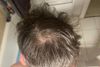
Topical Vitamin D3 may stimulate hair growth and has been used for Alopecia Areata. There is a question about the lack of research on its use for Androgenetic Alopecia (AGA).
Minoxidil helps hair growth on both scalp and face, but stopping it leads to hair loss on the scalp, not the face. The user questions why scalp hair can't be maintained with finasteride or androgen blockers after stopping minoxidil, despite these treatments reducing DHT damage.
The conversation is about the correct method of applying tretinoin and minoxidil together for hair loss, including which to apply first, waiting times, and frequency of use. It also questions whether the approach to using tretinoin on the scalp should be similar to its application on the face.
A user has been using peppermint oil with caffeine on their scalp and is experiencing more visible scalp, questioning if it's a shedding phase or ineffective treatment. Another person suggests the peppermint oil is not working and the user is naturally losing hair, implying that more established treatments like minoxidil or finasteride would be preferred.
The user experienced significant hair thinning and scalp irritation after three months of using topical finasteride. Suggestions include that shedding is normal before regrowth and switching to oral finasteride or addressing scalp inflammation might help.
DHT promotes beard growth but causes scalp hair loss due to inflammation and fibrosis. Treatments like finasteride and minoxidil help with hormonal signals and blood flow but don't address underlying inflammation.
People discuss different methods for applying minoxidil foam to the scalp, with some using their hands, caps, or brushes for better coverage. Concerns about finasteride causing hair shedding are addressed, clarifying that healthy hair should not fall out.
The user is considering adding 2% ketoconazole to their current treatment of oral minoxidil and finasteride to address scalp itchiness and inflammation. Another user suggests controlling inflammation is important for managing hair loss.
Minoxidil is applied beyond the crown, including the hairline and other areas, despite labels suggesting crown use only. Users report success with broader application, and some prefer oral minoxidil for convenience.
The user switched from liquid to foam minoxidil to reduce skin irritation but finds foam harder to apply effectively to the scalp. A suggestion was made to melt the foam into a liquid for easier application.
Using a dermaroller with topical minoxidil and oral finasteride regrows hair and improves temple areas. Users highlight the benefits of microneedling tools and stress the importance of consistency and proper sanitation.
Exploring the idea of using facial hair properties for scalp regeneration in male pattern baldness, considering the potential of transferring androgen-resistant characteristics from facial hair to the scalp. Challenges include complexity, scalability, aesthetics, and safety, but the concept encourages innovative thinking beyond current treatments like Minoxidil, Finasteride, and hair transplants.
Microneedling on the vertex may require trimming hair to ensure needles reach the scalp effectively. Using a needle length of 1.0–1.5 mm is suggested, and longer hair might get damaged if not cut.
OP shared a 100-day progress on reducing hair shedding using Minoxidil and Dorpang scalp serum, noting healthier hair growth. Other users discussed their own treatments, including Minoxidil, ketoconazole, saw palmetto, and pumpkin seed oil, with some considering finasteride if needed.
The conversation discusses various methods for applying topical minoxidil to the scalp, including using fingers, a shoe polish bottle, a dropper, a toothbrush, a q-tip, a makeup brush, and a syringe. Users emphasize the importance of massaging the product into the scalp for better absorption.
A 20-year-old is experiencing hair shedding two months after starting 2.5mg oral minoxidil and topical finasteride. They notice thinning in areas where finasteride is applied but also see new baby hairs growing.
A user shared their experience with a beard-to-scalp hair transplant, noting no visible scars and improved hair density using finasteride and minoxidil. The conversation discusses the differences between beard and scalp hair, potential changes in hair texture, and the use of beard hair for increased scalp coverage.
The user is pleased with their hair transplant results but is concerned about the vertex area. They use Minoxidil and finasteride daily and had the procedure at a clinic in Athens.
The conversation discusses the frustration of having excessive body hair while experiencing scalp hair loss, with mentions of treatments like finasteride, minoxidil, and hair transplants using body hair. Users share experiences and advice, noting the role of genetics and DHT in hair growth patterns.
Diffuse thinning is worse than a receding hairline as it affects the entire scalp, complicating styling and hair transplants. Treatments like finasteride, minoxidil, dutasteride, and RU58841 are mentioned, with some users noting improved hair density.
A dental technician claims malocclusion causes pattern hair loss due to poor scalp circulation. Users debate this, noting treatments like finasteride, minoxidil, and microneedling focus on DHT and blood flow.
A user shared a 9-month hair loss treatment update using scalp micropigmentation (SMP), finasteride, minoxidil, derma pen, ketoconazole shampoo, and low-level laser therapy (LLLT), with plans for a hair transplant. Another person suggested increasing the dosage of finasteride and minoxidil and using a derma roller weekly.
The user reports thicker hair and new growth in the temple area after three months of treatment with oral finasteride, minoxidil, and derma rolling. There is confusion about the order of before-and-after photos, but the most recent photo shows improvement.
The user has tried topical Minoxidil and oral Minoxidil for beard and scalp hair growth with minimal results, and has been on Finasteride for 7 months with stabilized scalp hair but no facial hair improvement. They are considering using a SULT1A1 enzyme booster to enhance results and are questioning its effectiveness without concurrent topical Minoxidil application.
A 26-year-old male shared progress pictures after 4 months of treating hair loss with finasteride (1.25 mg on Mondays, Wednesdays, and Fridays), topical minoxidil twice daily, ketoconazole shampoo twice weekly, and weekly microneedling at 1.5 mm. He is seeing hair growth improvement, especially in the front, and is considering hair grafts for the crown area if necessary for more density.
A 28-year-old man with hair loss is seeing regrowth in his temple area after 2 months of treatment with Dutasteride, a 1.5mm Dermaroller, topical Minoxidil, and Biotin supplements. He also notes an unexpected positive side effect of Dutasteride clearing up his light facial acne.
User can't find 2% keto shampoo in their area and asks about ketoconazole BP20. Replies confirm that 20mg/ml means 2% ketoconazole and BP stands for British Pharmacopoeia, ensuring purity and quality standards.
The conversation discusses a hair loss treatment involving a hair transplant of approximately 2500 grafts to the frontal area, daily use of finasteride, twice-daily topical minoxidil, and daily caffeine shampoo since the hair transplant procedure. One person is skeptical about the improvement in the crown area with just finasteride and minoxidil.