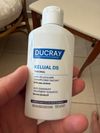
A user named Mmherak is experiencing hair loss, with low B12 and iron deficiency, and has been recommended minoxidil and spironolactone by dermatologists. Other users suggest seborrheic dermatitis or dandruff, recommending treatments like Nizoral shampoo, ketoconazole, and Selsun Blue.
Natural remedies may improve hair and scalp health but do not stop hair loss related to DHT or other imbalances. Proven treatments like Minoxidil and Finasteride are recommended for effective results.
Dutasteride 1.5 mg stopped shedding and reduced scalp inflammation in one month, unlike finasteride. The user also uses minoxidil but saw no results until adding dutasteride.
Ketoconazole 2% shampoo effectively regrew hair by treating scalp dermatitis and inflammation. The user also used jojoba and oat oil, Aveeno moisturizer, and hyaluronic acid for scalp care.
Topical pirfenidone is highlighted as an effective anti-inflammatory and anti-fibrotic treatment for hair loss, particularly in addressing perifollicular fibrosis, which may enhance the effectiveness of standard treatments like finasteride and minoxidil. The user also uses calcipotriol, MCT oil, ciclopirox shampoo, and benzoyl peroxide shampoo as part of their regimen.
A 27-year-old is experiencing significant hair loss despite using a combination of 0.5mg dutasteride daily, topical minoxidil, nizoral shampoo, and vitamin D optimization, and is now starting zinc supplementation. Suggestions include considering other causes, possibly increasing dutasteride dosage, switching to oral minoxidil, or maintaining the current regimen and reassessing in six months.
A user recommends using a microscope to assess hair density and track hair loss progress, finding it useful for evaluating treatment effectiveness, particularly with dutasteride and minoxidil. They advise against obsessing over hair loss and emphasize focusing on other meaningful life aspects.
Microneedling combined with 5% Minoxidil and finasteride significantly improves hair growth compared to using Minoxidil or Minoxidil with finasteride alone. The combination treatment is safe and effective, but further research is needed due to small sample size and short study duration.
Microneedling is preferred over laser therapy for hair loss because it is cheaper and reportedly effective, especially with minoxidil. Laser therapy is seen as costly and less effective.
A user shared their successful hair regrowth experience using 1.25mg finasteride daily, alternating oral and topical minoxidil, and weekly dermarolling. They reported significant improvement in their hairline and crown coverage over a year, with minimal side effects.
A 22-year-old has been using topical finasteride and minoxidil with microneedling for hair loss, considering switching to oral finasteride or dutasteride due to slowed progress. Recent changes in application technique and increased microneedling frequency seem to have led to noticeable hair regrowth, prompting reconsideration of switching treatments.
Microneedling can aid hair regrowth but poses risks like permanent hair loss if not done properly. Combining it with minoxidil, finasteride, and tretinoin, while ensuring proper sterilization and technique, is crucial for safety and effectiveness.
Lichen Planopilaris (LPP) is an autoimmune condition causing permanent hair loss and fibrosis, often misdiagnosed. Treatments include pioglitazone, topical corticosteroids, anti-inflammatory medication, and Jak inhibitors.
A 23-year-old Italian man in Switzerland is experiencing hair loss and cannot get a prescription for Finasteride, only Minoxidil. He seeks advice on obtaining Finasteride through online pharmacies or by consulting different doctors.
Treating hair loss with various remedies, such as Cetirizine and the Big3 complex (minoxidil, finasteride, and RU58841), which have properties like adipogenic, anti-fibrotic and anti-inflammatory. References to research studies are also included.
Switching from topical to oral minoxidil may lead to better results for some users, with oral minoxidil generally being more effective due to higher absorption. However, it can also cause side effects like hypertrichosis and blood pressure issues, and individual responses may vary.
The user started finasteride (1mg) a year ago for hair thinning, experiencing stabilization but not significant regrowth. Suggestions included adding minoxidil, microneedling, and considering a hair transplant for improved results.
Microneedling combined with minoxidil and finasteride shows significant hair regrowth, though opinions on its effectiveness vary. Some users report substantial benefits, while others highlight the need for more research and consistency in application.
A 21-year-old experiencing hair loss was prescribed two shampoos and hair vitamins by a dermatologist who suggested seborrheic dermatitis as the cause. However, users in the conversation suggested the hair loss could be male pattern baldness (MPB), recommending monitoring the situation and considering finasteride as a treatment.
A user shared a 25-day progress picture showing significant hairline restoration attributed to microneedling, in addition to using minoxidil and finasteride for 6 months. Other users discussed needle length, frequency, and whether the effects of microneedling are permanent.
User harlital shared their 9-month hair loss journey using finasteride, minoxidil, and microneedling but experienced worse results. Commenters suggested patience, checking for other causes, and considering dutasteride after 12-24 months if no improvement.
The user is experiencing scalp irritation and increased hair loss while on vacation, possibly due to hard water and sun exposure. They have stopped using a minoxidil and finasteride spray due to burning sensations and are using a prescribed betamethasone and salicylic acid solution along with ketoconazole shampoo.
The user noticed increased hair thinning and scalp redness on one side of their temple. They are seeking advice on what this could be and how to address it.
The conversation discusses the importance of scalp skin barrier health in hair follicle cycling, suggesting treatments like ceramides or niacinamide to support hair growth. It also mentions the use of finasteride for hair loss.
The conversation is about using RF microneedling with ExoHealer, along with finasteride and minoxidil, to improve hair thickness and reduce shedding. The user reports noticeable improvements in scalp texture and oiliness, with plans to consider stem cell treatments in the future.
The user started using minoxidil foam daily after two years on finasteride and is managing seborrheic dermatitis with antifungal shampoo. They seek advice on moisturizing products that won't worsen their condition, with suggestions including gentle shampoos and light ceramide serums.
Scalp hydration may influence hair growth by affecting the signaling pathways that control the hair growth cycle. Users suggest using facial moisturizer, aloe vera, and oils for scalp hydration.
A healthy scalp barrier is crucial for hair growth, and ceramides may play a key role in maintaining it. The conversation suggests that focusing on scalp health, alongside treatments like Minoxidil, Finasteride, and RU58841, could improve hair follicle health.
Scalp inflammation may contribute to hair thinning, with treatments like ketoconazole shampoo potentially helping by reducing inflammation. Some users report that DHT blockers and other treatments like finasteride, minoxidil, and RU58841 can alleviate symptoms associated with inflammation.