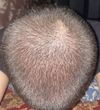
The user experienced hair regrowth using finasteride, minoxidil, biotin, and vitamins, along with exercise and a healthier diet. They reported no side effects from the treatments.
OP shares their experience with PCOS-related hair loss, highlighting that addressing vitamin D and ferritin deficiencies, managing hormones with spironolactone, and using gentle hair care products helped improve their condition. They advise against relying on "miracle" hair oils and emphasize the importance of medical evaluation and a combined approach to treatment.
A 28-year-old male is experiencing excessive hair shedding despite using oral and topical minoxidil, and occasionally using ketoconazole shampoo. He is considering trying GHK-Cu serums but cannot use finasteride.
Individuals discussing hair loss treatments, including finasteride and minoxidil, express mixed results and concerns about effectiveness after two years. Some consider switching to dutasteride or exploring other options like hair transplants.
A 24-year-old shares their positive 4-month progress using 0.5 mg oral finasteride and 5% topical minoxidil for hair loss, reporting no significant side effects. Other users discuss similar experiences and regimens, with some expressing concerns about potential side effects.
Microneedling, combined with finasteride and minoxidil, appears to enhance hair growth, with users reporting noticeable improvements. The process involves using a 0.5mm derma roller, which some believe increases blood flow and stimulates hair follicles.
The user started finasteride and minoxidil in December, increased the dosage after a few months, and noticed improvements around months 6 to 8 despite initial shedding. They experienced no side effects from finasteride but had to adjust minoxidil due to palpitations.
The conversation discusses hair loss treatments, focusing on iron supplements for low ferritin levels and considering finasteride and minoxidil if thinning persists. There is debate over starting with finasteride versus dutasteride, with some users advocating for dutasteride due to its potency, while others caution about potential side effects.
The user has been using finasteride for a year and recently started minoxidil, noticing reduced hair shedding but no significant regrowth. Suggestions include continuing the current regimen, adding micro-needling, and considering a hair transplant for more noticeable results.
The user experienced increased hair shedding after one month on 0.25 mg finasteride, despite initial improvement. This shedding may be a normal phase in the hair cycle and could improve in the coming months.
A user is concerned about hair loss despite using finasteride and minoxidil, noting changes in hair under a microscope after one week. Others suggest patience, as hair treatments take months to show results, and recommend focusing less on microscopic changes.
An 18-year-old noticed hair thinning at 17, started finasteride 5 months ago, and saw shedding stop but no regrowth. They suspect male pattern baldness due to family history and are concerned about thinning on the back and sides, possibly due to inflammation.
The user experienced hair regrowth after using 5% topical minoxidil for over four months, despite initial shedding. They apply it once daily but occasionally skip days due to concerns about collagen production interference.
A user is concerned about hair thinning and is using minoxidil, considering finasteride, and planning blood tests to rule out deficiencies. They are advised to consult a dermatologist to confirm if androgenic alopecia is the cause before starting finasteride.
Stemoxydine may work synergistically with minoxidil and finasteride for hair growth, but its effectiveness is debated, with some users experiencing minimal results and concerns about cost. Users suggest sticking to proven treatments like minoxidil and finasteride, while considering stemoxydine as an additional option.
Switching to Dutasteride worsened hair condition, causing shedding and inflammation. The user will continue Dutasteride until 18 months before possibly switching back to Finasteride, while using oral Minoxidil.
The user experienced hair loss diagnosed as chronic Telogen Effluvium and male pattern baldness, treated with finasteride and minoxidil, later switching to dutasteride due to side effects but with limited success. The user plans to return to finasteride due to side effects from dutasteride, while others suggest maintaining consistent treatment and considering additional options like oral minoxidil and lifestyle changes.
The user treated seborrheic dermatitis and hair loss with a routine including sulfate-free tea tree oil shampoo, ketoconazole shampoo, minoxidil foam, microneedling, and supplements like Omega-3 and Vitamin-D. They experienced significant hair shedding initially but saw improvement over a year.
A 24-year-old male doctor shares his 3-month progress using 0.5 mg oral finasteride and 5% topical minoxidil daily, noting some hair regrowth and incorporating microneedling. He prefers a "less is more" approach initially and discusses the potential benefits of oral minoxidil.
The discussion focuses on hair loss treatments, with suggestions to increase oral Dutasteride to 1 mg or more, as topical Dutasteride is less effective. Other treatments mentioned include RU58841, Minoxidil, and dermastamping, with some users recommending injectable mesotherapy and topical Finasteride.
Cosmetics Hut Hair Strengthening Shampoo with Biotin Peppermint Platyclaudus is popular for reducing hair shedding. Other treatments mentioned include Minoxidil, finasteride, ketoconazole shampoo, and biotin supplements.
The user shared their successful hair regrowth using oral finasteride, minoxidil foam, a custom topical solution, ketoconazole shampoo, and microneedling, resulting in significant improvement at the crown. However, they experienced hairline recession after switching to a topical solution with finasteride and minoxidil, raising concerns about its effectiveness.
The user experienced significant hair regrowth using 1mg oral finasteride daily and a walnut-sized amount of minoxidil foam once a day. They started balding at 17 and reported no side effects from the treatments.
A 23-year-old is using oral dutasteride, topical minoxidil with finasteride, PRP, and microneedling for hair loss treatment over three months, showing noticeable progress. Some users suggest caution with hormonal treatments and discuss the cost-effectiveness of PRP.
The conversation is about incorporating tretinoin into a hair loss regimen after using minoxidil and finasteride for years, with discussions on the effectiveness of minoxidil and the potential benefits of adding tretinoin. Users also discuss the effectiveness of oral minoxidil and other topical treatments like diclofenac and fluocinolone.
The user is using oral minoxidil for hair loss and is considering trying Latisse on their hairline. They are also curious about the effects of latanoprost, caffeine, and melatonin topicals.
The user is excited about hair regrowth results after using Hims topical finasteride and minoxidil since December, along with derma rolling twice a week. They report no side effects and apply minoxidil after derma rolling, with noticeable progress in hair density.
The user is using oral minoxidil for hair growth and is considering adding topical latanoprost, but is concerned about potential eye color change. They are seeking advice on the effectiveness of latanoprost for hair thickening and the risk of eye color change.
The conversation is about a user who has been using topical minoxidil for 3 months and oral finasteride for 2.5 years to combat hair loss, with positive results so far. The user is curious about future hair growth and considers additional treatments like dermarolling and low-level laser therapy.
A male in his late 20s, with Norwood 7 hair loss, reports progress using topical 5% minoxidil twice daily, natural hair regrowth oils, and derma rolling. He plans to start finasteride or dutasteride after noticing positive results.