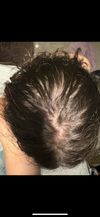
Mometasone Furoate Topical Solution 0.1% is used for hair loss, applied after showering and massaged into the damp scalp. The user is seeking information on its effectiveness for hair loss.
The conversation discusses using 0.1% retinol as a potential substitute for 0.01% tretinoin with minoxidil for hair loss treatment. It mentions that tretinoin is not easily available in some countries, and retinol might be less effective but less harsh on the scalp.
People are discussing using tretinoin gel with minoxidil to improve hair growth, especially for those who didn't respond to minoxidil alone. They apply a mix of tretinoin gel and minoxidil to the scalp, which is said to be more effective than minoxidil by itself.
Capilia Longa is considered as an alternative to Minoxidil for beard growth, with some users reporting positive results. However, concerns exist about its effectiveness and high cost, especially for scalp use.
The conversation is about using Sandalore for hair loss and whether to mix it with Morr-F, alcohol, or a scalp oil. Users discuss the effectiveness of different carriers like propylene glycol and hemp oil for better absorption.
A 43-year-old male with advanced hair loss is experimenting with alternative treatments, including red light therapy, microneedling, scalp massages, an oil mix, and ketoconazole shampoo, after previously experiencing side effects from finasteride and minoxidil. He noticed some minor changes with red light therapy but remains skeptical about significant improvement.
The user has been using 1.25mg Finasteride, 5mg Oral Minoxidil, Ketoconazole shampoo, and dermastamping for 1.5 months, noticing thicker hair and less scalp visibility, though changes are more noticeable in photos than in real life. They experienced no side effects from Finasteride but had initial chest discomfort with Oral Minoxidil, which resolved, and they plan to continue updating on their progress.
The user has been using minoxidil and finasteride for 7.5 months to address hair thinning, particularly at the crown and temples, and is considering additional treatments like tretinoin and dermastamping despite having chronic scalp folliculitis. They are experiencing progress but are concerned about side effects and the effectiveness of treatments on temple regrowth.
The user shared progress on hair regrowth using finasteride, minoxidil, dermastamp, Nizoral shampoo, and scalp massage, showing significant improvement in three months. The user reported no side effects and asked if early regrowth is normal.
Clascoterone is being discussed for hair loss, but its current acne formulation may not be suitable for scalp use due to potential skin irritation and lower dosage compared to Breezula. Users mention other treatments like finasteride, minoxidil, and pyrilutamide, with some expressing skepticism about clascoterone's effectiveness for hair loss.
Users discuss alternatives to DHT blockers for hair loss, suggesting minoxidil, microneedling, natural DHT blockers, and scalp massages. Some explore RU58841, ketoconazole, hair transplants, and hair systems due to side effects from finasteride and dutasteride.
The user experienced significant hair regrowth in temples, eyebrows, eyelashes, and beard after one month of using 0.5 mg Dutasteride, 2.5 mg Oral Minoxidil, and Ketoconazole Shampoo, with no side effects. They are still experiencing scalp shedding but expect further progress.
A 28-year-old male experienced significant hair improvement in two months using 2.5mg oral minoxidil daily, 1mg finasteride every other day, weekly dermastamping, daily scalp massages, and rosemary oil. The user reports no side effects and questions if the rapid progress is typical or if they are a hyper responder.
Shampoos, including those with ketoconazole, may offer mild benefits for hair health but are not effective for stopping hair loss or balding. Effective treatments for hair loss include finasteride and minoxidil, often used together, while shampoos are generally not on the scalp long enough to impact hair follicles significantly.
A 20-year-old used finasteride, minoxidil foam, and micro-needling for hair regrowth, experiencing initial shedding but later improvement with minimal side effects. They are happy with the results and seek advice on additional products like rosemary oil for scalp health.
Herbal treatments like pumpkin seed oil, saw palmetto, and rosemary oil showed little to no effectiveness for hair loss, with some users experiencing negative effects. Regular treatments like finasteride and minoxidil are suggested to be more effective, while vigorous scalp massage and low-level laser therapy (LLLT) might offer some benefits.
A 21-year-old shares crown regrowth results using a daily oral pill containing minoxidil, finasteride, and biotin, along with dermastamping, scalp massages, and Nizoral shampoo. Suggestions include reducing minoxidil dosage for safety and considering cost-effective alternatives for long-term use.
A user reports hair regrowth after 4 months using finasteride, minoxidil, black seed oil, GHK-Cu injections, and daily scalp massages, while avoiding shampoo. Another user comments on the negative effects of shampoo.
The user shared progress after 7 months of hair loss treatment using topical minoxidil with finasteride, oral minoxidil, microneedling, LLLT laser cap, and scalp massage. They reported thicker, denser hair with no significant side effects.
A 39-year-old male is experiencing significant hair regrowth using a regimen of topical Minoxidil, Finasteride, derma stamping, ketoconazole shampoo, rosemary shampoo, and scalp massage. He reports positive results with no side effects and is considering possibly adding dutasteride in the future.
Prolonged use of topical minoxidil and finasteride can lead to neuroendocrine and autonomic dysfunction, causing severe sensitivity and side effects. Recovery involves avoiding these treatments, supporting neurosteroid recovery, calming the sympathetic system, and rebuilding scalp health naturally.
The user experienced significant hair regrowth after 6 months using a regimen of 1mg Finasteride daily, 5% Minoxidil foam twice daily, Nizoral shampoo twice a week, and Moroccanoil Scalp Balance shampoo and conditioner. The user reported no side effects from Finasteride and noted a change in hair texture during treatment.
Foam minoxidil may be a good alternative for those who experience irritation from liquid minoxidil, though opinions on its effectiveness vary. Some users suggest oral minoxidil as a more effective option with fewer side effects at low doses, while others recommend foam or alcohol-free topical versions for sensitive scalps.
The user reports promising hair regrowth without using finasteride, focusing instead on microneedling, dermarolling, minoxidil, tretinoin, scalp massages, and red light therapy. They emphasize consistency and a healthier, side-effect-free approach.
Ketoconazole, once popular for hair health, is now less mentioned, with mixed reviews on its benefits for scalp health. Microneedling is discussed as a potential alternative to traditional treatments like finasteride and minoxidil, with varied opinions on its effectiveness.
An 18-year-old shares two months of progress using a topical spray solution containing finasteride, ketoconazole, minoxidil, and biotin for hair loss, reporting minimal side effects and satisfaction with results. The user applies the solution daily to different parts of the scalp.
The user is using a routine involving microneedling, Minoxidil with tretinoin, a red light cap, scalp massages, Nizoral shampoo, and essence oil shampoo to address hair loss, with visible progress noted. They are considering topical finasteride or dutasteride if progress slows but are cautious due to past side effects.
A 23-year-old male is using topical minoxidil and oral finasteride for hair regrowth, noticing some progress on his temples and seeking advice on whether this indicates overall scalp improvement. Users suggest patience, as regrowth can take time, and advise against a hair transplant, noting that the current treatment seems effective.
The user experienced worsening hair density after using finasteride, dutasteride, and RU58841, suspecting RU58841 might be the cause. They are considering stopping RU58841 after a scalp biopsy, while others share mixed experiences with RU58841's effectiveness.
The conversation is about a user who experienced significant hair recovery using 5% Minoxidil and 0.1% Finasteride, specifically with the Traya brand. The user emphasizes consistency and early treatment for effective results, noting improvements in hair volume and some side effects like dry scalp.