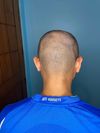
Finasteride, minoxidil, dermarolling, and topical antiandrogens are effective for hair regrowth. Future treatments may include CB0301 and hair cloning.
Hair loss is primarily caused by genetic sensitivity to DHT, not lifestyle factors like diet or exercise. Treatments like Minoxidil and Finasteride can help, but it's important to consult a dermatologist to determine the best approach for individual cases.
Different treatments for hair loss, such as Finasteride, Minoxidil, Nizoral, Pumpkin Seed Oil, Saw Palmetto and PRP; the risks of using certain treatments; taking a break from this subreddit to cope with anxiety about hairloss; and potential benefits of maintaining confidence despite hairloss.
The user experienced worsening hair loss despite using finasteride and dutasteride. They are considering trying minoxidil but are unsure if it will help.
A 20-year old female experiencing hair loss, who has had normal blood tests and is currently using minoxidil as recommended by her doctor. She is asking if there are any other treatments she should consider.
A user shared their positive experience with oral finasteride (1.2mg daily) and minoxidil (3mg daily) for hair regrowth, noting no side effects and significant improvement in hair density. Other users discussed their experiences with these treatments, including side effects and different application methods, with some expressing skepticism about side effects and others sharing their own challenges.
The user is using finasteride, HGH, GHK-CU, BPC-157, KPV, biotin/collagen/keratin vitamins, ketoconazole shampoo, and low-dose naltrexone to address hair loss, avoiding minoxidil due to past shedding experiences. Adenosine is discussed as a potential alternative to minoxidil, though it is noted to be expensive and hard to find.
The conversation discusses skepticism towards unconventional hair loss remedies, emphasizing the effectiveness of proven treatments like oral DHT blockers, topical minoxidil, and finasteride. It criticizes misleading advice and highlights the importance of starting effective treatments early.
Finasteride is helping regrow hair in previously thinning areas, and the user plans to add minoxidil to enhance results. The user is considering increasing the finasteride dose to 1mg daily for better outcomes.
A user accidentally ingested minoxidil instead of melatonin, leading to a humorous discussion about similar mix-ups and the effects of minoxidil. The user now stores the bottles separately to avoid future mistakes.
A 40-year-old man experiencing male pattern baldness reports noticeable hair regrowth after 6 weeks of using finasteride 1 mg daily, topical minoxidil 5% twice a day, and ketoconazole shampoo twice a week. He has not experienced any side effects and plans to continue monitoring his progress.
The user is frustrated with hair loss despite using finasteride and is considering a hairpiece as a solution. Suggestions include trying a buzz cut, considering dutasteride or oral minoxidil, and addressing potential dietary issues.
A 31-year-old man feels depressed due to hair loss, using topical finasteride and previously tried minoxidil. Others suggest treatments like finasteride, minoxidil, hair transplants, or embracing baldness, highlighting the importance of mental health and self-acceptance.
Young men experiencing hair loss should consult a dermatologist and consider treatments like finasteride and minoxidil. Shaving is an option, but medications can help maintain and regrow hair, though results vary.
A person experienced hair loss due to stress, hormonal changes, and possibly genetics, and tried treatments like minoxidil, finasteride, and dutasteride. They are now considering exosome therapy but are unsure about its effectiveness and which dermatologist to trust.
The user saw no significant changes in hair loss after three months on 3mg Dutasteride, having previously used Finasteride and 0.5mg Dutasteride. They plan to continue the high dose for a year despite concerns about side effects and diminishing returns.
The user experienced hair regrowth with dutasteride but later lost progress despite using minoxidil foam and dermastamping. Suggestions included reducing dermastamping frequency, conducting blood tests, and considering oral minoxidil or different brands of dutasteride.
Switching from finasteride to dutasteride and oral minoxidil worsened hair thinning at the hairline and temples. The user is considering returning to finasteride, as dutasteride may not be effective for them.
The user is pleased with their hair growth results after using oral minoxidil (2.5mg) for 3 months and finasteride (1mg) for 4 months, despite experiencing significant shedding initially. They prefer oral treatments over topical due to convenience and concerns about toxicity to pets.
People shared their experiences with coffee consumption and hair loss, with mixed results. Some noticed more hair loss with increased caffeine, while others saw no effect or even hair regrowth, often using treatments like finasteride and minoxidil.
A user shared their 3-month progress using topical Minoxidil 5% and oral Finasteride 1mg daily, along with ketoconazole shampoo and derma stamping, reporting significant hair growth without side effects. Some users doubted the results, while others discussed potential side effects of Finasteride and alternative treatments.
Significant hair regrowth was achieved using 1mg of finasteride daily, 3ml of topical minoxidil, ketoconazole shampoo, vitamin D, and castor oil, with no side effects. Results appeared after two months, leading to discussions on treatment effectiveness and commitment.
The user experienced positive hair regrowth using 5% topical minoxidil daily and 1mg finasteride daily but had to stop finasteride due to side effects like depression, anxiety, and gynecomastia. They are considering alternatives like topical finasteride or dutasteride and are currently using only topical minoxidil.
The conversation discusses hair loss treatments, including oral finasteride, topical minoxidil, and microneedling, and the potential impact of Vitamin D and folic acid deficiencies on hair regrowth. It suggests that while male pattern baldness is the primary cause, addressing vitamin deficiencies may aid in improving regrowth.
The user is considering hair restoration options after experiencing side effects from Minoxidil and avoiding Finasteride due to concerns about side effects. They are contemplating trying Finasteride or Dutasteride and possibly undergoing a hair transplant.
A 31-year-old experienced significant hair regrowth using a combination of oral minoxidil, dutasteride, and topical treatments, with no side effects. They initially had issues with finasteride but found success with dutasteride, noting improved hair retention and no sexual side effects.
PP405 is a promising new hair loss treatment that may reactivate dormant hair follicles without side effects. It could surpass traditional treatments like minoxidil and finasteride if successful in further trials.
The user plans to start a 12-month finasteride treatment to combat aggressive hair loss, with regular monitoring of thyroid levels, testosterone, DHT, liver enzymes, PSA, and iron levels. They seek advice on additional monitoring and aim to balance results with minimal side effects.
Many users experienced increased diffuse thinning after starting finasteride, with some switching to dutasteride or adding minoxidil in hopes of improvement. Thyroid issues and low ferritin levels were also discussed as potential factors affecting hair loss.