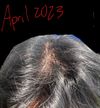
The user experienced significant hair improvement after three months using topical Minoxidil and scalp massages. They are considering adding Finasteride to their regimen.
A 42-year-old male using Minoxidil since June reports hairregrowth and thickening, with additional improvements from vitamin supplements and stress-reducing medication. Suggestions include adding topical finasteride and microneedling for better results.
A 42-year-old male experienced hairregrowth using a topical treatment of finasteride, ketoconazole, and minoxidil, noticing increased hair density and reduced hair loss over a year. He plans to switch to oral finasteride and continue using topical minoxidil, with a dermatologist's guidance.
A user experienced no hairregrowth after using oral minoxidil, topical finasteride, minoxidil, and tretinoin, and reported side effects from oral finasteride. They are considering switching to dutasteride or using hair fibers for better results.
Ketoconazole 2% shampoo effectively regrew hair by treating scalp dermatitis and inflammation. The user also used jojoba and oat oil, Aveeno moisturizer, and hyaluronic acid for scalp care.
Scalp Botox may help hair loss by relaxing muscles and increasing blood flow, potentially benefiting conditions other than androgenetic alopecia. DHT affects hair follicles differently, causing tension and hair loss in some areas but not others.
The user experienced hair loss starting at 16 and used finasteride and minoxidil, later switching to dutasteride and oral minoxidil, which improved hair thickness after an initial shedding phase. The user also noted the importance of using shampoo to manage dermatitis and maintain scalp health.
The user experienced significant hair loss due to health issues and is now using finasteride and minoxidil for nearly 3 months. They are hopeful about tiny hairs/dots indicating regrowth and are considering a hair transplant later in the year.
Hairregrowth in transfems is more effective due to hormonal changes, specifically estrogen, which keeps hair in growth phase longer. Treatments mentioned include anti-androgens, sex hormones, and DHT blockers like finasteride.
The conversation is about hairregrowth using topical minoxidil, microneedling, and vitamin supplements. The user is hesitant to use DHT blockers like finasteride due to concerns about hormonal side effects.
The user experienced significant hairregrowth using oral finasteride and topical minoxidil, but switching between oral and topical minoxidil led to hair loss and uncertainty about future treatment. They are considering sticking with oral minoxidil and finasteride, possibly adding dutasteride or opting for a hair transplant.
Hairregrowth from treatments like finasteride, dutasteride, and minoxidil can take several years, with most visible results appearing within 1-2 years and potential improvements continuing up to 10 years. Consistency and patience are crucial for achieving maximum hair thickness, as hair miniaturization and regrowth are gradual processes.
The user is experiencing significant hairregrowth using a regimen of finasteride, minoxidil, a special shampoo with natural ingredients, and weekly derma stamping. They are questioning whether the progress is due to actual regrowth or just longer hair, with plans to update after a haircut for better comparison.
Hairregrowth can start as thin hairs that may thicken over time, with treatments like finasteride and minoxidil showing varied results. Some users report initial shedding followed by thicker regrowth, while others experience mixed outcomes in different areas.
Minoxidil foam and oral finasteride resulted in significant hairregrowth, especially on the hairline, with no side effects from finasteride. The user applied Rogaine 5% for minoxidil.
The conversation is about hairregrowth treatments, including ketoconazole, vitamins, fish oil, collagen, pumpkin seed oil, rosemary, and dermal rolling. Users suggest trying finasteride and intense weight training to enhance results.
User experienced hairregrowth with finasteride and minoxidil but started losing hair again after 1 year and 4 months. They ask if they should switch to dutasteride or wait longer.
The potential hairregrowth benefits of ASC-J9, a synthetic modified version of curcumin that is said to be more effective than Minoxidil and Finasteride. Reports from users suggest good thickening and temple regrowth with topical use at 0.025% concentration.
The user is experiencing hair loss and has been using topical Minoxidil 5%, Keto 2% shampoo, and Tretinoin 0.025% for six months, with plans to start topical Finasteride 0.1% soon. They are advised to focus on DHT blockers like Finasteride and consider additional tests and supplements to address potential deficiencies and scalp health.
A person with hair loss due to seborrheic dermatitis saw improvement after treating the condition and using 5mg oral minoxidil, topical minoxidil, collagen, biotin, and vitamins. They are asking if the progress is real, and others have noted the oral minoxidil as a significant treatment.
A 22-year-old has been using finasteride and minoxidil for 10 months and is considering switching to dutasteride due to ongoing hair loss. Users suggest continuing the current treatment for another 8 months and reducing scalp inflammation, noting visible improvements.
The conversation is about hair loss treatments, focusing on finasteride and minoxidil. Users suggest combining these with microneedling, but some recommend a hair transplant due to significant hair loss.
A 40+ year-old male is experiencing tiny new hair growth after 2 months using topical Minoxidil, 0.5 Finasteride, red light therapy, derma rolling, Biotin, Vitamin D, and Fish oil. Another user advises waiting 6 months to a year for noticeable regrowth, noting that medications mainly maintain hair.
A user shared their 6-week update on using 0.5mg dutasteride daily, 2.5mg oral minoxidil, and Nizoral for hair loss, noting noticeable regrowth but experiencing side effects like lower sex drive and brain fog. The conversation includes suggestions for additional treatments and discussions about hair transplant costs.
The user started using minoxidil and finasteride for hair loss treatment six months ago, with some improvement in mental health and manageable side effects. They are considering switching minoxidil brands due to dissatisfaction and are focusing on stress management and lifestyle changes to improve scalp health.
The conversation is about hair loss and treatments, with suggestions to use finasteride or dutasteride as DHT blockers and minoxidil for regrowth. Oils and shampoos are considered ineffective for androgenic alopecia without these medications.
The user has been experiencing hair loss since having COVID and has low vitamin D levels; they are seeing some improvement in their crown and hairline after starting vitamin D supplements. Commenters suggest the hair loss pattern is consistent with male pattern baldness (MPD) and varies by individual.
A user's experience with hair loss and their consideration of using finasteride, minoxidil, RU58841, stemoxydine, fluridil, and peptide serum with redensyl as treatment options.