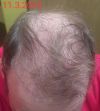
Using finasteride and peptides, including GHK-Cu, improved hair thickness and regrowth. The user also used a KLOW blend and CJC/IPA for better sleep and recovery.
The user has maintained hair thickness using oral finasteride and minoxidil for four years, with suggestions to consider dutasteride or a hair transplant for further improvement. Some users recommend trying topical minoxidil with tretinoin or increasing the oral minoxidil dose for better results.
Minoxidil alone is not effective for hair regrowth; adding a DHT blocker like finasteride or dutasteride is recommended. Dermastamping and micro-needling can enhance results, and some users suggest trying oral minoxidil or natural DHT blockers.
PP405 is ineffective for miniaturized, fibrosed hair follicles in androgenetic alopecia. AMP303 may activate hair follicle stem cells, but minoxidil and finasteride are still the main treatments.
The conversation discusses a personalized hair loss treatment plan based on DNA test results, recommending Minoxidil, Dutasteride, 17-alpha Estradiol, Cetirizine, and PRP sessions. The test identifies a high risk of hair loss due to DHT but a good response to Minoxidil, suggesting a tailored approach to treatment.
The user has been using finasteride for six years and minoxidil for three years with no noticeable hair regrowth. Suggestions include switching to dutasteride, considering a hair transplant, and trying microneedling.
A person is microdosing estrogen for hair loss after finasteride and dutasteride failed, risking feminizing effects. Alternatives like minoxidil, RU58841, or hair transplants are suggested.
Hair regrowth and gender transition using finasteride, estrogen, and spironolactone. Significant hair regrowth and personal transformation were achieved through hormone replacement therapy.
A 20-year-old saw significant hair regrowth after 9 months of using DHT blockers (finasteride and dutasteride) and 6 months of hormone replacement therapy (HRT) with estradiol. The regrowth is attributed to low testosterone and high estradiol levels, without using Minoxidil.
A peptide-based hair loss treatment, PP405, reportedly increased hair density by 62% in 90 days, but these claims are unverified and met with skepticism. Users compared PP405 to Minoxidil and Finasteride, expressing doubts about its effectiveness without more evidence.
Hair fibers can effectively cover thinning hair when used with minoxidil and hairspray but require daily application and can be inconvenient in certain conditions. Some users prefer treatments like finasteride, dutasteride, microneedling, or wigs due to the maintenance and limitations of hair fibers.
PP405 is discussed as a potential alternative to finasteride, but its effectiveness and market availability are uncertain. Users share experiences with finasteride, minoxidil, and topical treatments, noting side effects and application techniques.
A 39-year-old experienced hair regrowth on his temples after switching from finasteride to topical RU58841 combined with 5% minoxidil. He also underwent stem cell treatment and noticed improvements, attributing the regrowth mainly to the change in treatment.
Bryan Johnson's new hair loss product, which includes peptides, is viewed skeptically by many, with concerns it may be a money grab rather than an effective treatment. Most users prefer proven treatments like finasteride and minoxidil, which are cheaper and have established results.
Creatine may cause increased hair shedding due to androgen receptor sensitivity, despite limited evidence. The user is using dutasteride and minoxidil and seeks advice on whether shedding will stabilize, with suggestions including GHK-Cu and RU58841.
Hair loss due to vitamin B12 deficiency is discussed, with some users suggesting supplements and dietary changes, while others recommend medications like finasteride or dutasteride. The conversation highlights differing opinions on the cause of hair loss, with some attributing it to genetics or male pattern baldness.
An 18-year-old is using a high-dose treatment for hair loss, including 2.5 mg dutasteride, topical minoxidil, and injectable GHK-Cu, despite minimal hair loss. Many users suggest reducing the dutasteride dose due to potential side effects and recommend starting with finasteride instead.
The user saw no hair regrowth after a year of using finasteride and dutasteride, only maintaining their current hair. Many recommend adding minoxidil for potential regrowth.
BPC-157 may promote hair growth by increasing angiogenesis, similar to how Minoxidil works, though no direct research confirms this yet. Users report combining BPC-157 with Minoxidil and finasteride for better results, but concerns about long-term safety exist.
The user is using a hair regrowth protocol including dutasteride, topical and oral minoxidil, dermarolling, ketoconazole shampoo, and tretinoin, but is experiencing slow progress and seeks advice for faster regrowth. Suggestions include quitting smoking, adjusting the regimen, and considering additional treatments like topical finasteride or RU58841.
PP405 shows potential for hair growth, with 31% of advanced balding men experiencing over 20% increase in hair density in 8 weeks. However, skepticism persists due to selective data presentation and lack of long-term results, with comparisons to treatments like minoxidil and finasteride.
After 8 months on finasteride, the user experiences increased hair shedding and thinning, despite also using minoxidil and microneedling. They consider switching to dutasteride but decide to continue the current regimen for a year before reassessing.
Significant hair growth was achieved using Minoxidil 5% and dermarolling twice a week, with suggestions to add finasteride for maintenance. There is debate on when to apply Minoxidil after dermarolling to avoid irritation.
The user replaced finasteride with saw palmetto due to availability issues and experienced side effects, leading to adjustments in their regimen. They use saw palmetto, minoxidil, Nizoral, and a dermaroller, reporting reduced side effects and some benefits, with hair fall ranging from 5 to 20 hairs daily.
Hair loss treatments discussed include finasteride, minoxidil, spironolactone, and estradiol, with concerns about side effects like sexual dysfunction and feminization. Some users prefer hair transplants or shaving over medication due to potential side effects.
A sugar gel has been found to aid hair regrowth, similar to minoxidil, and may improve blood supply to hair follicles. Some users report success with homemade versions, though side effects like dizziness have been noted.
Researchers at the University of Virginia discovered a new group of stem cells in hair follicles that could potentially restore hair growth. The findings suggest that activating these stem cells might offer a new way to combat hair loss, though practical treatments are still years away.
The user noticed hair density improvement after 1.4 years on finasteride, with additional use of minoxidil on the temples. Other users discussed various treatments like dutasteride, estrogen, and hair transplants, sharing personal experiences and advice.
Dutasteride mesotherapy is discussed as a hair loss treatment, with opinions on its effectiveness compared to oral dutasteride. The treatment is noted for being expensive, potentially painful, and more popular in Europe, with some users questioning its advantages over traditional methods.
Despite using Dutasteride, RU58841, and Minoxidil, hair loss continues due to low testosterone levels from taking 15mg of testosterone weekly, which may not produce enough estrogen. Increasing testosterone dosage and stabilizing hormone levels might help address the issue.