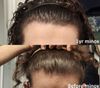
A user who shared progress pictures of their scalp using a microscope camera, demonstrating the difference between healthy and miniaturized hair. Various explanations for the cause of this were discussed, such as DHT build-up in scalp sebum causing an autoimmune response leading to inflammation and eventual hair loss, with some suggesting a do-it-yourself treatment involving adding ascorbic acid powder to shampoo.
Nanoxidil is discussed as a potential alternative to Minoxidil for hair loss, with some users reporting better results and improved hair strength. However, concerns about its lack of FDA approval and potential scalp dryness are noted.
Androgenetic alopecia is affected by scalp DHT levels, not sensitivity, with treatments like finasteride and dutasteride aiming to optimize these levels. Personalized DHT management is crucial for effective hair growth.
The user is experiencing hair loss and is seeking a topical product without alcohol that doesn't irritate the scalp or make hair brittle. They have previously used minoxidil and finasteride but had negative experiences, and are considering a gel-based product recommended by another user.
The conversation is about a user experiencing hair loss despite using finasteride for 14 months, with suggestions to try other treatments like dutasteride or minoxidil. The user is hesitant to use minoxidil due to a family history of heart problems.
Hair loss may be caused by calcification of capillaries in the scalp, restricting blood flow to hair follicles. A daily treatment regimen including high doses of Vitamins D and K, Magnesium, and Nattokinase could potentially decalcify these capillaries, improving blood flow and hair growth. However, some users warn against excessive Vitamin D intake and emphasize the need for medical consultation.
Experiencing continual nonstop hair loss despite using dutasteride for 9 months, and the possible causes behind it being discussed such as nutritional deficiencies, elevated cortisol, vitamin D deficiency or other problems. Other solutions such as minoxidil and finasteride have been suggested.
The user experienced worse hair after removing a wig system and has been using Hairband 82 Comfort Flex, Hair Max supplements, dermarolling, and a scalp massager for 4 months without clear results. They are hesitant to use Minoxidil due to shedding concerns and avoid finasteride due to side effects, preferring Saw Palmetto instead.
The user experienced hair loss possibly due to scalp damage and tried natural treatments with limited success. They reported noticeable hair thickening after using a laser treatment device, suggesting it may be effective, especially for those on finasteride.
MCT oil helps reduce dandruff, flaking, and itching, and may slow hair loss progression. Eliminating sugar and dairy also stabilizes hair loss, while zinc, sugar, and dairy can worsen scalp conditions.
The user has been on finasteride for 8 months and is experiencing significant hair shedding, with concerns about hair density and visible scalp. Other users suggest that shedding is normal and that finasteride is likely working, with potential improvements over time; adding minoxidil could help but may initially increase shedding.
Lowering DHT can improve skin quality and reduce scalp issues. Finasteride is effective for hair regrowth and improving skin texture, while dutasteride may increase oiliness and shedding for some users.
Exploring the idea of using facial hair properties for scalp regeneration in male pattern baldness, considering the potential of transferring androgen-resistant characteristics from facial hair to the scalp. Challenges include complexity, scalability, aesthetics, and safety, but the concept encourages innovative thinking beyond current treatments like Minoxidil, Finasteride, and hair transplants.
A 21-year-old is concerned about androgenic alopecia and has been using minoxidil for a year, noticing some stabilization in the hairline but fears using it on the whole scalp due to seborrheic dermatitis. Another person suggests considering a psychiatrist for stress management, using Nizoral shampoo, and possibly trying a small dose of finasteride.
Topical minoxidil with finasteride can help focus treatment on the scalp, with shedding being normal initially. Foam minoxidil is easier to apply, PRP's effectiveness varies, and anti-dandruff shampoos like ketoconazole are beneficial for scalp health.
Body hair transplants can be a last resort for hair loss, using body hair to fill scalp gaps, though it may not match scalp hair in texture or length. Minoxidil and finasteride are discussed as treatments, with varying effectiveness and side effects.
The conversation discusses the frustration of having excessive body hair while experiencing scalp hair loss, with mentions of treatments like finasteride, minoxidil, and hair transplants using body hair. Users share experiences and advice, noting the role of genetics and DHT in hair growth patterns.
The user is experiencing daily hair loss and is considering trimming their hair to manage scalp cleanliness due to excessive sweating. They are seeking advice on how much to cut, preferring a short style similar to a classic military haircut.
Epristeride is a selective 5 alpha reductase type 2 inhibitor that may reduce scalp DHT similarly to finasteride, with potentially fewer side effects. It is suggested that combining epristeride with finasteride or dutasteride could enhance hair loss treatment effectiveness.
The conversation discusses hair loss treatments including oral minoxidil 5mg, dutasteride 1mg, and suggestions to use a derma stamp on the scalp. Some users believe these treatments can improve hair condition or at least stabilize loss, while one suggests considering a hair transplant after a year if desired.
A user on dutasteride and oral minoxidil for two years has experienced worsening hair loss and an itchy scalp. Suggestions include increasing medication doses, trying other treatments like RU58841, getting a scalp biopsy, and addressing potential inflammation through diet and topical treatments.
The user is experiencing significant hair thinning and scalp discomfort after two years on finasteride and is considering switching to dutasteride. Another person suggests that scalp inflammation might be the cause and recommends a YouTube channel for more information.
The post discusses the difference in effects of Minoxidil (Min) on scalp and facial hair. The user questions why Min-induced hair growth on the scalp is temporary, while facial hair growth seems permanent, even after stopping Min. They propose theories, including different Min mechanisms on body and facial hair, the role of DHT, and the possibility of not achieving fully terminal hair. The responses include personal experiences and theories about Min's effects on hair growth.
RU58841 cured seborrheic dermatitis, oily scalp, dandruff, and scalp pain, improving hair health when combined with Minoxidil. Another user noted diet impacts their seborrheic dermatitis and that finasteride hasn't changed their condition.
Dutasteride Mesotherapy for hair loss is discussed, noting its potential to lower scalp DHT without side effects. Concerns include the inconvenience of injections, lack of reputable studies, and availability issues.
The conversation discusses hair loss, scalp buildup, and treatments like Nizoral shampoo, Minoxidil, and dietary changes to address seborrheic dermatitis and iron deficiency. The user plans to improve their hair condition with a good routine, Nizoral, and diet adjustments.
Topical finasteride as a potential alternative to oral finasteride for reducing DHT levels on the scalp with fewer side effects, and other hair loss treatments such as minoxidil.
The user experiences increased dandruff from daily use of minoxidil and finasteride, and seeks shampoo recommendations for an oily scalp that can address dandruff and aid hair restoration. They found Anaphase and an Indian herbal shampoo ineffective.
Vitamin D deficiency can hinder hair recovery, and addressing it may help with hair loss. Hair loss may result from various issues like excess DHT, vitamin deficiency, or scalp inflammation.