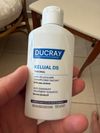
Piroctone Olamine at 1% is recommended for reducing scalp inflammation and encouraging hair growth. The user seeks recommendations for UK shampoos/conditioners containing this ingredient.
Using Nizoral shampoo intermittently and reassessing scalp condition after each bottle, potentially adding in other tools to target seb derm, and alternating between Pura D'Or and Nizoral for a healthy and clean scalp.
Shampoos can help with thinning hair by improving scalp health and reducing breakage, but they can't address genetic or hormonal causes. Effective treatments often include using topical minoxidil and finasteride, while the right shampoo varies per individual needs.
Nizoral 2% is popular for maintaining scalp health and reducing inflammation, though its effectiveness for hair loss is debated. Some users combine it with finasteride for better results, while others find it drying or ineffective.
The user experiences scalp itchiness despite using ketoconazole shampoo and is also taking oral finasteride and minoxidil. Suggestions include trying different shampoos like Head & Shoulders, using salicylic acid products, considering allergies, and consulting a dermatologist for alternatives like Ciclopirox.
The conversation is about using Ketoconazole shampoo for hair loss, with users discussing leaving it on the scalp for longer periods. Some users report benefits for dandruff, but there's uncertainty about its effectiveness for androgenetic alopecia (AGA).
A user experiencing scalp pain and diffuse hair thinning is taking finasteride and using Nizoral shampoo. They plan to continue finasteride for 6 months and consider adding minoxidil if no improvement is seen.
Adding Nizoral Shampoo (ketoconazole 2%) improved hair quality and reduced scalp irritation. Alternatives like zinc pyrithione shampoo and Piroctone Olamine were also discussed.
Minoxidil users can safely use salicylic acid shampoo to manage scalp pimples and dandruff. Nizoral is also recommended for hair gain and treating scalp pimples.
Silicone-based shampoos and conditioners may leave a layer on the scalp that could affect the absorption of topical hair loss treatments like Fluridil. The user is considering switching to silicone products to manage frizzy hair but is concerned about this potential issue.
The user experiences an itchy scalp despite using finasteride and ketoconazole shampoo for hair loss. Suggestions include trying different shampoos, switching to dutasteride, and using topical treatments for inflammation.
The user started using minoxidil foam daily after two years on finasteride and is managing seborrheic dermatitis with antifungal shampoo. They seek advice on moisturizing products that won't worsen their condition, with suggestions including gentle shampoos and light ceramide serums.
Scalp inflammation may contribute to hair thinning, with treatments like ketoconazole shampoo potentially helping by reducing inflammation. Some users report that DHT blockers and other treatments like finasteride, minoxidil, and RU58841 can alleviate symptoms associated with inflammation.
A user tried a Korean hair loss shampoo and treatment set, noting it improved scalp and hair quality but lacked ingredient details. Other users expressed skepticism about its effectiveness, suggesting it might not significantly impact hair loss.
The user experienced reduced hair shedding with Ketoconazole shampoo, suggesting it may help with scalp inflammation and hair health. They also use Minoxidil and Finasteride, and suspect food intolerance and stress contribute to their hair issues.
A user experienced hair thinning and scalp issues after using a sebum-regulating shampoo and perm treatments. They are advised to consider potential allergies, try a simple shampoo, and research treatments like finasteride for possible male pattern baldness.
The user added P5P (vitamin B6) to their shampoo to reduce scalp itch, which improved significantly. They have been using finasteride for hair loss but are exploring additional treatments like topical antiandrogens and prolactin inhibitors.
The user experienced severe scalp itching after using RU58841 and ketoconazole shampoo, despite trying moisturizing treatments. They suspect the issue is related to the propylene glycol in the vehicle and are seeking alternatives.
The user is experiencing scalp irritation and increased hair loss while on vacation, possibly due to hard water and sun exposure. They have stopped using a minoxidil and finasteride spray due to burning sensations and are using a prescribed betamethasone and salicylic acid solution along with ketoconazole shampoo.
The conversation is about finding a good shampoo to improve hair health and thickness, with recommendations including ketoconazole, pura’d’or, Head & Shoulders Dermaxpro, OGX Argan Extra, and OGX apple cider vinegar shampoo. Users discuss experiences with ketoconazole and suggest adding a scalp cleanser with glycolic acid to the routine.
Shampoos are not effective for stopping hair loss; treatments like minoxidil, finasteride, and dutasteride are more effective. Ketoconazole shampoo may help with scalp inflammation but not directly with hair loss.
The user has been experiencing severe scalp itching and red spots after using finasteride for two years, suspecting possible allergies or a fungal infection. Despite trying ketoconazole shampoo and stopping saw palmetto supplements, the symptoms persist, leading to increased hair loss.
Scalp inflammation can cause hair thinning and may be related to diet, infections, or conditions like psoriasis. Treatments suggested include using Nizoral shampoo and checking vitamin levels.
The user experienced continued hair loss and scalp itch despite using finasteride and switching to dutasteride. They sought advice on managing these issues, with suggestions including adjusting medication frequency and trying different shampoos.
Ketoconazole shampoos are primarily for dandruff and fungus but may aid hair growth slightly, though results are minor compared to finasteride and minoxidil. Users report it helps with scalp health and inflammation, but it can dry out hair if used too often.
The user is experiencing severe hair shedding while on finasteride and plans to start using ketoconazole shampoo to address a greasy, waxy scalp buildup. They are seeking additional advice for managing hair loss.
Caffeine shampoos show comparable results to Minoxidil and may enhance its effects when used together. Caffeine can be detected in the scalp up to 24 hours after a 2-minute application, making it an affordable treatment option.
A user with seborrheic dermatitis is experiencing bald spots and hair thinning despite changing their diet and taking oral minoxidil. Another user suggests using ketoconazole shampoo properly, using a scalp massager, applying rosemary/peppermint oil, keeping hair short, and taking fish oil to improve scalp health.
The individual has experienced a sore, stiff, and itchy scalp with hair loss for 4.5 years, and has noticed increased thinning and miniaturized hairs, especially at the temples. They have tried ketoconazole shampoo without success and are considering finasteride for treatment.