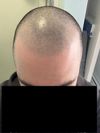
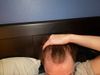
The conversation discusses hair regrowth progress using oral finasteride, topical minoxidil, and ketoconazole shampoo. Users note positive changes and suggest dutasteride for oily scalp issues.
A user noticed hair loss since age 16 and is now using minoxidil 5% twice daily, scalp massages, and a derma stamp weekly, along with Alpecin Caffeine Shampoo. They report seeing new hair growth and are happy with the progress.
Using tretinoin with minoxidil can enhance hair growth results. Microneedling and ketoconazole shampoo are also used to improve scalp health and treatment efficacy.
A 22-year-old male is experiencing hair loss and has been using topical minoxidil and anti-dandruff shampoo for six months without improvement. Suggestions include adding finasteride to the routine and considering treatments for potential scalp issues like seborrheic dermatitis.
Various treatments for hair loss include minoxidil injections, finasteride, dutasteride, microneedling, Nizoral shampoo, and supplements like vitamin D and biotin. Additional methods mentioned are red light therapy, scalp massages, lifestyle changes, and hair transplants.
The user switched from finasteride to 2.5 mg dutasteride daily and added 1% pyrilutamide to address persistent scalp itch, but the itch remains. They also use 2% ketoconazole and 2.5% selenium sulfide shampoo for temporary relief.
A 36-year-old man is considering starting oral finasteride and minoxidil, using ketoconazole shampoo, and possibly getting a 3000-graft FUE hair transplant. He previously had scalp micropigmentation but is now exploring medication due to fewer concerns about side effects.
The user shared their 3.5-month progress using topical minoxidil, ketoconazole shampoo, and dermarolling for hair loss, and plans to start finasteride. They experienced relief from scalp issues with ketoconazole and are managing side effects from minoxidil.
A user is seeking advice on adding dutasteride to their finasteride regimen to stop DHT-related scalp itch. They have tried selenium sulfide and ketoconazole shampoos with temporary success.
The user reported progress in hair loss treatment using oral finasteride, keto 2% shampoo, and vitamin D. They experienced reduced hair fall, fewer scalp issues, and hope for improved hair density.
The user is seeking oral Minoxidil in Europe due to issues with topical Minoxidil causing dandruff and dry scalp. They have started using oral Finasteride and are considering Ketoconazole shampoo.
User shared 4 months of hair loss progress using finasteride and minoxidil, noting improved scalp health with the right shampoo. Encouragement from others includes success stories with similar treatments.
The user saw significant hair regrowth after using rosemary-castor oil, scalp massages, a derma roller, biotin shampoo, minoxidil-finasteride spray, and a PRP injection. They plan to continue this routine.
A 31-year-old man shared his 2-year experience using finasteride and minoxidil after a hair transplant on the front and mid scalp, noting improvement but still having a thin crown. He recently started dermastamping, plans to use ketoconazole shampoo, and uses hair fibers for extra confidence at events.
User applied Xyon fin topical gel daily, used Augstinus Bader shampoo, conditioner, and scalp treatment, and applied argan oil twice a week. No Minoxidil, no dermarolling, and no side effects were reported.
DutchFella1993 has been using a lotion with finasteride and minoxidil for hair regrowth with some success and is considering using ketoconazole shampoo daily to reduce scalp itchiness. There's concern about the harshness of daily shampooing and twice-daily lotion application, and one reply suggests that daily use of ketoconazole may damage hair and questions its effectiveness, while also noting that once-daily minoxidil application is sufficient.
A 17-year-old male has experienced significant hair loss within 4 months, noticing scalp visibility constantly. He's used ketoconazole shampoo, and his dermatologist recommends minoxidil and finasteride when he turns 18, but he's considering shaving his head due to the rapid hair loss.
User Wonderful_Tonight910 suffered from hair loss and seborrheic dermatitis for years. After using irritant-free shampoo, their scalp improved, hair loss stopped, and new hair growth appeared.
The conversation discusses a natural approach to hair loss treatment, including using natural shampoo, daily scalp massages, derma rolling, and dietary changes, with the goal of improving hair health. Some users express skepticism about natural methods, advocating for finasteride or minoxidil, while others share positive experiences with natural treatments like essential oils and derma rolling.
The user is experiencing diffuse thinning and inflammation despite using 2.5mg dutasteride daily, ciclopirox, and ketoconazole shampoos. They are considering treatments like hydroxychloroquine and JAK inhibitors due to suspected scarring alopecia and have faced challenges in obtaining a scalp biopsy.
The individual is experiencing hair thinning primarily at the front/middle of their scalp and is seeking to identify the type of hair loss they have. They already use treatments like oral Minoxidil, topical Finasteride, Tretinoin gel, dermarolling, and various oils and shampoos.
The user experienced significant hair regrowth after 6 months using a regimen of 1mg Finasteride daily, 5% Minoxidil foam twice daily, Nizoral shampoo twice a week, and Moroccanoil Scalp Balance shampoo and conditioner. The user reported no side effects from Finasteride and noted a change in hair texture during treatment.
The user experienced significant hair regrowth using 1mg of finasteride daily and 5% minoxidil foam twice daily, along with Ketoconazole shampoo twice a week. They also use a scalp scrubbing brush and Moroccan Oil products, reporting no side effects from the treatment.
A 24-year-old with male pattern baldness experienced side effects from oral finasteride and switched to a topical minoxidil/finasteride combination, later incorporating daily shampooing and scalp brushing to manage hair loss and dandruff. After initial shedding, the regimen led to reduced hair loss and new hair growth, with the user now using a densita mf combination (5% minoxidil/0.1% finasteride + redensyl) nightly.
The user improved hair health by using a topical spray with Minoxidil (7%) and Finasteride (0.3%), switching to Nizoral shampoo with 1% ketoconazole, and applying a multi-peptide serum for hair density. They emphasize the importance of maintaining a healthy scalp for effective hair regrowth.
A 20-year-old experiencing hair thinning for over two years cannot use finasteride due to side effects. Alternatives suggested include minoxidil, dermarolling, topical dutasteride, and ketoconazole shampoo for scalp issues.
Finasteride helped stop hair loss progression and slightly thickened hair, but reduced beard and chest hair growth. The user also uses ketoconazole shampoo for scalp itchiness.
The user used topical finasteride 0.3% and minoxidil 6% nightly for 6 months, then added oral finasteride 1mg daily a month ago, which improved hair density. They also started using Flakes shampoo for scalp irritation, finding it more effective than keto shampoo.
The user is experiencing less hair shedding and new hair growth after 57 days on finasteride 1mg and using a derma stamp. They are advised to use ketoconazole shampoo for scalp greasiness and consider adding minoxidil for better results.
The conversation is a guide on treating hair loss, discussing finasteride and dutasteride to lower DHT, minoxidil for growth, ketoconazole shampoo for scalp health, and dermarolling for regeneration. RU58841 is mentioned as a DHT blocker but not recommended due to safety concerns.