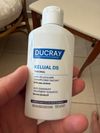
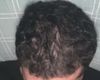
The user is experiencing scalp irritation and increased hair loss while on vacation, possibly due to hard water and sunexposure. They have stopped using a minoxidil and finasteride spray due to burning sensations and are using a prescribed betamethasone and salicylic acid solution along with ketoconazole shampoo.
Androgenic alopecia (AGA) might have evolved to reduce prostate cancer risk by increasing UV exposure to the scalp, but this theory is debated. Treatments like minoxidil and finasteride are used for AGA, though the exact causes and evolutionary reasons for hair loss are unclear.
Hair loss discussion mentions Native Americans' resistance to male pattern baldness and lack of facial hair. Users discuss genetics, sunexposure, and potential treatments like minoxidil and finasteride.
Using Minoxidil and Retinol together is generally safe, but caution is advised if adding Retinol to a topical hair solution, as excessive Retinol can lead to hair loss, especially with sunexposure.
The user is starting microneedling for hair loss and is concerned about cleaning the needles and post-treatment care, including sunexposure and applying products like rosemary oil. They use a microneedling pen and are seeking advice on timing and technique.
Sunburns on the scalp can cause permanent hair loss, especially for those using Tretinoin or Tacrolimus. Wearing UPF 50+ hats is recommended to protect against UV radiation.
A user noticed non-itchy, non-bleeding spots on their scalp while experiencing hair loss. Replies suggest the spots are likely sunspots or liver spots and recommend seeing a dermatologist; hair loss is attributed to male pattern baldness.
Scalp massages may improve hair growth, with noticeable results in a few months. The technique involves detaching the skin from the skull, similar to detumescence therapy, and may be combined with other treatments for better results.
A user's scalp issue that may be causing their hair loss and potential treatments, such as salicylic acid, finasteride, minoxidil, ketoconazole shampoo, and visiting a dermatologist.
User considers scalp micropigmentation (SMP) for hair loss. Mixed opinions shared; some regret it, others satisfied. Choosing reputable clinic and technician is important.
Treating Seborrheic Dermatitis, a fungal scalp condition which can cause hair loss. Treatments discussed include antifungal shampoos, cold showers, exfoliating the scalp, taking Vitamin D, and stimulating the prostate through the anus.
The conversation discusses whether sunlight exposure affects hair growth or loss, with mixed anecdotes and theories but no clear consensus. Some suggest moderate sunlight can benefit hair by providing vitamin D, while others doubt its effectiveness compared to treatments like Minoxidil or finasteride.
People discussing their experiences with natural treatments for hair loss, such as essential oils, deep scalp massages, anti-inflammatory measures, and supplements. Most of the replies suggest that these treatments are not effective and recommend medication such as minoxidil or finasteride instead.
Filtered shower heads may improve scalp and hair health but do not affect male pattern baldness (MPB). Genetics and factors like DHT and scalp tension are more significant in hair loss.
PP405 targets hair follicle stem cells differently than exercise-induced lactate, suggesting exercise alone may not replicate its benefits. Minoxidil and finasteride are recommended alongside exercise for hair regrowth, with additional suggestions like spicy food and infrared exposure.
Why androgenic alopecia affects the scalp rather than other body parts, potential explanations for this phenomenon, treatments available to combat hair loss, and the implications of male attractiveness in modern society.
Tretinoin may enhance minoxidil's effectiveness for those not responding to minoxidil alone, but it could reduce efficacy for some who are already responding to minoxidil. Tretinoin requires careful use, including skin moisturizing and sun protection due to increased sensitivity.
The user reported positive hair regrowth results after six months of using 0.5 mg finasteride and nanoxidil, despite experiencing initial side effects like testicular pain and changes in libido. They noted that nanoxidil was chosen over minoxidil due to less scalp irritation.
The treatment for androgenetic alopecia involves using finasteride and minoxidil with intense exercise and cold exposure to boost metabolism and reduce androgenic effects, potentially leading to hair regrowth. This approach may activate biological pathways for improved hair and overall health.
A user who shared progress pictures of their scalp using a microscope camera, demonstrating the difference between healthy and miniaturized hair. Various explanations for the cause of this were discussed, such as DHT build-up in scalp sebum causing an autoimmune response leading to inflammation and eventual hair loss, with some suggesting a do-it-yourself treatment involving adding ascorbic acid powder to shampoo.
A 29-year-old male experienced significant hair regrowth over 8 months using a protocol of oral Minoxidil, Dutasteride, Pyrithione Zinc Shampoo, and peptides GHK-CU, BPC-157, and TB-500. The treatment led to improved scalp coverage, reduced hair loss, and thicker hair, although results may vary for others.
A 23-year-old male using minoxidil once daily is concerned about hair loss and hesitant to use finasteride due to potential side effects. Suggestions include adding finasteride, exercise, cold showers, spicy food, infrared exposure, sunbathing, and tretinoin.
A method for treating androgenic alopecia using minoxidil, antiandrogens, exercise, and cold exposure to promote hair growth. Environmental factors and lifestyle changes, like diet and exercise, can improve treatment effectiveness.
Regrowing hairline without the use of Minoxidil or Finasteride, and instead using mechanical stimulation such as Derma Roller, Nizoral, Zinc Pyrithione, Scalp Massage, Scalp Exercise, Fish Oil and other topical solutions. It is cautioned that there are risks associated with not using medically-prescribed treatments, but it is suggested to consider mechanical stimulation in addition to those prescribed treatments.
A user has been on finasteride for 6 months and feels their hair quality has worsened, experiencing more hair loss and scalp irritation. They are considering seeing a dermatologist, while others suggest the issue might be unrelated to finasteride, possibly due to deficiencies or other conditions.
A user noticed increased hair loss and was prescribed Betamethasone dipropionate 0.05% lotion by a dermatologist. Another user suggested changing doctors and asking for finasteride instead.
The DHT itch is linked to hair loss and persists despite finasteride use; switching to dutasteride helped alleviate the itch and promoted regrowth. Some users suggest seborrheic dermatitis as a cause and recommend treatments like medicated shampoos, vitamin D, and minoxidil.
Finasteride may inhibit melanin production, affecting tanning and causing white hairs in the beard and eyebrows. The user considers switching to oral Dutasteride or topical treatments to address these issues.
Korean scientists developed a red light therapy that reduces a hair loss marker by 92%. Users discussed the benefits and drawbacks of natural sunlight versus red light caps for hair health, with some suggesting supplements for vitamin D.