Hair loss affects confidence, with discussions on treatments like finasteride, minoxidil, and RU58841. Emphasis is placed on self-acceptance and building confidence beyond appearance.
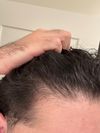
The user is experiencing severe hair loss after surgery and stress, with thinning all over the head, including the sides and neck. They are unsure if it's due to DUPA or alopecia areata incognita, and doctors have not observed miniaturization.
The user tried various shampoos for thinning hair without clear results, except for Viviscal which noticeably thickened their hair. They noted that no shampoo can regrow hair and provided links to YouTube reviews for further information.
Using a silicone shampoo brush with ketoconazole shampoo may increase hair shedding if used roughly. Hair that sheds during shampooing would have fallen out eventually.
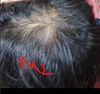
The user is experiencing stage 2 hair loss and thinning, noticing more scalp visibility with short hair. They are considering diet, yoga, scalp massage, supplements, and a serum recommended by their doctor, and questioning if it's safe to stop using the serum and whether to get a blood test since hair loss isn't a family trait.
A 23-year-old male is experiencing rapid hair thinning and receding hairline, feeling emotionally drained. He has tried GFC, PRP, ketoconazole shampoo, and supplements without improvement and is considering minoxidil, finasteride, and possibly a hair transplant.
Hair loss treatments discussed include finasteride, minoxidil, spironolactone, and estradiol, with concerns about side effects like sexual dysfunction and feminization. Some users prefer hair transplants or shaving over medication due to potential side effects.
An 18-year-old male experiencing hair thinning and loss is using oral minoxidil, topical minoxidil, finasteride, and a multivitamin as prescribed by a dermatologist. He's having difficulty applying the topical minoxidil effectively due to his hair length, as he feels a lot of it stays on his hair instead of reaching the scalp.
The conversation humorously discusses a person with an unusually thick head of hair, with some users joking about using treatments like Minoxidil and finasteride. Many express envy or disbelief, while others suggest a haircut or comment on facial features.
A 28-year-old in Turkey is experiencing hair loss, affecting his confidence and mood. He uses various supplements and shampoos, and is considering topical finasteride/dutasteride and minoxidil for treatment.
A 23-year-old feels devastated by hair loss despite using Minoxidil and finasteride since age 18, and is advised to embrace baldness, improve physical fitness, and consider hair systems. The conversation emphasizes self-acceptance, confidence, and exploring new interests to improve mental well-being.
A 25-year-old male experienced significant hair loss due to telogen effluvium and androgenetic alopecia. He began using finasteride, minoxidil, and vitamins, seeing some regrowth but remains worried about hair density.
Hair loss is distressing, with treatments like finasteride, minoxidil, and spironolactone commonly used despite potential side effects. Emphasis is placed on maintaining mental health and self-worth beyond hair appearance.
Hair restoration treatments like finasteride, minoxidil, dutasteride, and hair transplants can greatly enhance self-image and dating life. Opinions differ on whether to embrace baldness or pursue treatments for maintaining hair.
The user has been using topical 5% Minoxidil, 0.1% Finasteride, dermastamping, 2% ketoconazole, and a DHT-blocking shampoo with saw palmetto, caffeine, biotin, and argan oil for hair loss. Despite some baby hair growth on one side, the user is experiencing continued hairline recession and shedding, leading to distress.
A 16-year-old noticed hair thinning on the crown and sides of the head, with minimal temple thinning. After using Minoxidil for 6 months, some areas improved, but the crown worsened, and they seek advice on the irregular hair loss and treatment options.
A teenager experiencing hair loss is using minoxidil, a derma roller, and plans to add ketoconazole shampoo to their routine. They are advised to continue this regimen consistently for at least six months to see results, with the shedding being a normal part of the process.
Many users criticize advice on forums that suggest shaving heads instead of trying treatments like finasteride for hair loss. They argue that maintaining hair is important for self-esteem and dating success, and that baldness often requires compensating with other attributes.
The user is experiencing continued hair loss despite using minoxidil, finasteride, tretinoin, and microneedling. They are considering a hair transplant due to lack of response to current treatments.
Hair fibers are discussed as a temporary solution for hair loss, with users noting they work well if applied correctly but can be messy and time-consuming. Some users also use finasteride for long-term treatment.
How little the average person knows about hair loss and how it can be an unfairly stigmatized issue, even by people with little knowledge of it themselves. Some specific treatments that were discussed include finasteride, RU58841, dutasteride, minoxidil, pyritinol, dermarolling, and diet/lifestyle changes.
The user is considering shaving their head completely after buzzing it due to a receding hairline and is unsure if the bald look will suit them. Another user suggests they look good with the buzz cut and recommends exploring the "Bald" subreddit for more support.
User has been using topical finasteride and minoxidil since May, previously used a spray version since January. They are seeing vellus hairs and have added weekly microneedling to their routine.
Genetics primarily determine hair loss, not lifestyle factors like diet, exercise, or habits. Treatments like finasteride and minoxidil are recommended, but ultimately, happiness should not depend on hair.
A humorous website where users upload and vote on hairlines is struggling due to lack of participation. The creator encourages people to join for fun and scalp justice.
User discusses scalp micropigmentation for denser hair appearance and its benefits compared to lifelong treatments. Special ink is used, which can fade and blur over time but can be topped up.