Scientists discovered a new T cell treatment that could regrow hair. Users are skeptical but hopeful, with some relying on finasteride and minoxidil in the meantime.
Red flags to watch for when choosing a hair transplant clinic, such as high-pressure sales tactics, unclear surgeon assignments, and unrealistic promises. A user shared a positive experience with Skin Medics UK, highlighting transparency and personalized care.
A user shared their positive experience using Fleava (copper peptides), minoxidil, and micro needling for hair regrowth, noting significant improvement in their hairline. Other users believe the success is primarily due to micro needling and minoxidil.
The individual had a hair transplant in Turkey with 4052 grafts, resulting in significant hair growth and increased confidence. They use finasteride, rosemary oil, and vitamins, and are pleased with the natural-looking results, encouraging others to consider similar treatments.
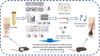
The conversation discusses hair regrowth using dissolvable microneedles loaded with rapamycin and epigallocatechin gallate nanoparticles. Specific treatments mentioned include Minoxidil, finasteride, and RU58841.
A serum with oleic and palmitoleic acids shows promise for hair regrowth in mice, but its effectiveness in humans is unproven. Minoxidil and finasteride remain the recommended treatments.
Hair fibers impressively cover bald spots, boosting confidence. User started big 3 treatment (0.5mg fin, 1 time minoxidil 5% topical, ketoconazole 2%) for regrowth.
Some users report significant hair regrowth without microneedling, using treatments like finasteride, minoxidil, and dutasteride. Others believe microneedling enhances results, but opinions vary on its necessity.
PRP treatments have been effective for the user, with a new recommendation of using a high-quality plasma kit once a year. The user seeks experiences with this specific PRP approach.
Promising hair loss treatments in clinical trials include Pyrilutamide, GT20029, CB-03-01, and PP405, with potential market releases between 2027 and 2029. Hair cloning remains experimental and expensive, while existing treatments like finasteride, minoxidil, and microneedling continue to be used.
Dermal incision with verteporfin is being explored as a potential hair loss treatment by dermatologist Melissa Toyos, with promising before-and-after photos shared on social media. The conversation discusses its potential effectiveness compared to other treatments like Minoxidil, Finasteride, and RU58841.
The conversation discusses positive initial trial results for GT20029, a topical compound for hair loss that degrades androgen receptors, potentially requiring only weekly application. Participants express hope for this treatment to be more effective and convenient than current options like Minoxidil, Finasteride, and RU58841.
User discovered hair fibers, tried Toppik but concerned about ingredients. Considering Boldify (cotton-based, cheaper) and Surethik (keratin-based) as better options.
The conversation discusses using RU58841, topical finasteride/minoxidil, MK677, and microneedling as treatments for hair loss. MK677 is mentioned as a growth hormone that improves hair health and recovery from microneedling.
Age-linked hair loss is linked to disappearing collagen. Treatments discussed include minoxidil, finasteride, RU58841, tretinoin, microneedling, and collagen supplements.
User asks where to purchase exosomes/AAPE for microneedling hair loss treatment. Links to research on hair regeneration therapy, stem cell therapy, exosome therapy, and dermal exosomes provided.
The conversation discusses hair loss treatments, focusing on Tsuji's hair cloning and Shiseido's RCH-01, with skepticism about their effectiveness on humans. It compares these to PRP, noting PRP's higher efficacy in studies.
A user expressed satisfaction with a hair and beard transplant at HairofIstanbul using 3200 grafts and PRP, achieving natural-looking results without finasteride or minoxidil. The transformation was praised, though some noted the beard line appeared artificial.
Fucoidan may help regrow hair and reduce inflammation in androgenetic alopecia. It is unclear if simply mixing fucoidan powder into a serum for application is effective.
A drug that regrows body parts, but not hair, sparking debate on hair loss treatments. Discussions include the use of finasteride, dutasteride, and the potential for new methods to restore hair.
The conversation discusses hair loss treatments, mentioning minoxidil, finasteride, RU58841, VDPHL, GT20029, and follicle cloning as potential solutions. It also reveals that the discussion about PP405 was an April Fool's joke.
A user reported significant hair thickening and new baby hairs on the hairline after 11 months of using 1mg finasteride every other day and microneedling once a week. They experienced no shedding, and finasteride stopped all hair loss within 24 hours of the first pill.
Topical Metformin shows potential for regenerating hair follicles and minimizing scarring in hair transplant donor areas, similar to Verteporfin but without its side effects. The discussion suggests considering Metformin for post-hair transplant care, though more human trials are needed.
The user experienced tiny vellus hairs from 0.5mg finasteride and 2.5mg minoxidil over 9 months. Topical minoxidil, alfatradiol, and RU58841 applied twice daily for 1.5 months significantly improved temple hair regrowth.
The user shares their experience with hair loss treatments, including oral finasteride, oral minoxidil, and a topical lotion for dandruff, expressing dissatisfaction with past treatments like PRP and hair transplants. They seek advice on a DNA test to determine suitable medications and express frustration with dermatologists' advice.
A woman who has been experiencing hair loss for several years, and her question of whether there is any benefit to getting a biopsy to check if it's AGA or diffuse alopecia areata when no cure or very effective treatment exists. Treatments such as spironolactone and Minoxidil/finasteride/RU58841 have previously been discussed.
A young male in his twenties discusses hair loss, mentioning the use of Minoxidil, topical finasteride, and occasional derma rolling. He inquires about scalp inflammation, fibrosis, and the potential benefits of magnesium oil and scalp massages for improving blood flow and hair health.
PP405 cannot restore extracted hair follicles after a transplant as they are removed, not dormant. Combining verteporphin with wounding and PP405 is suggested but not confirmed effective.
Thicair is a product combining microneedling and subdural vitamins for hair loss, containing ingredients like Panax Ginseng Root Extract and Copper Tripeptide-1. Users are skeptical, with one calling it "quackery."