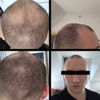
People with hairloss experience emotional struggles and body dysmorphia. Treatments like minoxidil, finasteride, and dutasteride are used, but results vary and can take time.
A 29-year-old is using 5% topical minoxidil, 5 mg oral minoxidil, 1 mg finasteride, Nizoral shampoo, and weekly microneedling to treat hairloss, reporting significant progress in hair regrowth and hairline improvement. The routine includes applying minoxidil twice daily, managing dead skin with shampoo, and using a baseball cap to maintain hair appearance.
Sunburns on the scalp can cause permanent hairloss, especially for those using Tretinoin or Tacrolimus. Wearing UPF 50+ hats is recommended to protect against UV radiation.
The conversation discusses hair regrowth after a health condition, with the appearance of white substance on the scalp. Suggestions include it being sebum or White Piedra, with a recommendation to try Nizoral.
The user is concerned about hairloss and is considering treatments like finasteride and minoxidil but is unsure about their effectiveness and side effects. They have experienced mixed reactions to shaving their head and are struggling with confidence due to balding.
Accepting hairloss and not taking drastic measures like shaving your head if you are only mildly balding, and encouraging people to fight it with treatments such as finasteride, minoxidil, nizoral and microneedling. Additionally, it discusses the importance of being realistic when trying to restore hair and addressing the misconception that one must look a certain way in order to be attractive.
The user is experiencing severe hairloss despite using treatments like DUT, oral minoxidil, ketoconazole, RU58841, and vitamins. They plan to buzz their hair due to the ongoing hair fall and its impact on their mental health and self-esteem.
A user shared their journey of improving their overall appearance and health after starting to lose hair at 21, which led them to adopt a healthier lifestyle, including better dental hygiene, dieting, and exercise. They used biotin, Rogaine, and finasteride to combat hairloss and emphasized self-improvement despite the possibility of still losing hair.
A 25-year-old shares progress on hair regrowth using finasteride, ketoconazole shampoo, Alpecin caffeine shampoo, and topical minoxidil, noting improved hair health but persistent temple thinning. They consider switching to oral minoxidil, adding microneedling, and possibly a hair transplant after one year.
A 21-year-old expresses feeling alone and invalidated in his struggle with hairloss, seeking empathy from others. Some users share similar feelings, while one mentions making progress with dutasteride and minoxidil treatments and considering a hair transplant.
A 78-year-old man regrew hair after suffering burns, suggesting that injury-induced healing processes might trigger hair growth. Microneedling and other treatments like minoxidil and finasteride are discussed as potential methods to stimulate similar regrowth.
A 33-year-old experienced hairline improvement using finasteride and minoxidil, later stopping minoxidil while continuing ketoconazole shampoo. Initial side effects included shedding, reduced libido, and anxiety, but these resolved, leading to a full hairline recovery.
Someone who is starting to experience hairloss and is considering multiple treatments, such as minoxidil, finasteride, dutasteride, and a hair transplant, to manage it. Replies provide advice on how to approach these treatments safely and effectively.
The user shared their successful hair regrowth using oral finasteride, minoxidil foam, a custom topical solution, ketoconazole shampoo, and microneedling, resulting in significant improvement at the crown. However, they experienced hairline recession after switching to a topical solution with finasteride and minoxidil, raising concerns about its effectiveness.
A user is confused about a dermatologist's positive assessment of their scalp despite concerns about their hairline. They discuss using oral minoxidil, concerns about side effects from finasteride, and difficulty finding topical finasteride.
The user began experiencing hairloss a few years ago at age 22 and is a diffuse thinner with a Norwood scale rating of 2. They have a naturally athletic build and gain muscle easily, with a hairy chest and stomach.
The conversation discusses concerns about getting a buzz cut years after a FUE hair transplant due to an unnatural look and thinning hair. Suggestions include trying a buzz cut and considering scalp micropigmentation (SMP) as an option.
The user stopped using finasteride and minoxidil after a hair transplant, now only using coconut oil and serum, and is concerned about potential hairloss. Others advise continuing finasteride to prevent future hairloss, despite the user's doctor suggesting it's unnecessary.
Hairloss treatments include finasteride, minoxidil, alfatradiol, vitamins, red light therapy, ketoconazole shampoo, meditation, green tea, leg workouts, and silk pillows. Genetics is emphasized as the primary factor in hair health, with some humor about unconventional methods like drug use affecting hairloss.
The user has been treating their hairloss with oral Minoxidil, Dutasteride twice a week, daily head massages, a mix of essential oils, and one round of Scalp Micropigmentation (SMP). They stopped micro-needling due to hairloss, and are seeking advice on their progress, with responses suggesting continued treatment, potential hair transplant, and resuming micro-needling.
The conversation is about someone starting treatment for hairline thinning with 1mg finasteride, 5% minoxidil, and vitamin D3 supplements, and asking for advice on dermarolling. Another person reassures them that they still have a lot of hair and could maintain or regrow hair with the treatment.
Hairloss advice: get a shorter haircut and use hair building fibers like Toppik to improve appearance. User on big 4 treatments: Minoxidil, dermapen, Nizoral, and finasteride.
The user is experiencing severe hairloss and color change despite low testosterone levels and healthy lifestyle changes. They have tried ketoconazole shampoo and consulted a dermatologist, who found no scalp issues but suggested using Toppik for coverage.
Tattooing hairloss drugs like minoxidil and dutasteride into the scalp is discussed as an alternative to daily pills, with mixed opinions on its effectiveness and convenience. Some users report positive results, but concerns about cost, potential side effects, and the procedure's discomfort are noted.
Topical melatonin was found to significantly increase hair density and decrease scalp conditions like seborrheic dermatitis. The user is considering using it alongside finasteride and oral minoxidil for treating hairloss and scalp health.
The user experienced significant hair regrowth using finasteride, minoxidil, and other treatments but faced side effects like reduced libido and erectile issues. They are considering switching to Adgain Plus to improve hair health without affecting sexual health.
The user has been using finasteride, minoxidil, Viviscal, biotin, saw palmetto, fish oil, and alternating shampoos to combat hairloss but continues to experience thinning, especially at the hairline. They are considering trying dutasteride but are hesitant, and they are contemplating shaving their head if the situation doesn't improve.
A South Korean company, Therazyne, has developed a promising hairloss treatment using a WNT chain surrogate that binds to Frizzled 7, with human follicle testing expected soon. Current treatments like minoxidil and finasteride are not seen as cures, and while optimism exists for future solutions like PP405, approval processes are lengthy.
People discussed hairloss treatments, including finasteride, minoxidil, and microneedling, with varying results and concerns about genetics and hormone levels. Some users shared personal experiences with medication dosages and side effects, while others mentioned the impact of stress on hairloss.
A 29-year-old shared their hair recovery progress using a liposomal topical finasteride/minoxidil solution, LLLT helmet, and vitamins, noting that transplants were only on the hairline. They highlighted the effectiveness of their regimen and addressed skepticism with photos.