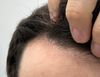
Microneedling once a week at 1mm caused bumps, possibly scars, in the treated area. The user is considering cleaning the skin before microneedling to prevent this issue.
Exploring the potential of using Verteporfin to grow follicles in combination with microneedling, as well as the cost of administering a single injection and the possibility of combining it with minoxidil.
The conversation discusses microneedling for hair regrowth, emphasizing the importance of disinfecting the scalp to avoid infections. It also mentions using minoxidil and castor oil in the treatment routine.
Microneedling can help with hair loss by inducing collagen if done correctly, but improper technique may cause scarring and worsen the condition. Some users apply dissolved vitamin C before and after microneedling to enhance results.
Microneedling does not prevent future hair transplants, but some surgeons report the skin becomes "harder" in treated areas. There is no clear evidence to confirm this effect.
The user uses a 1.5mm derma stamp weekly for hair loss and applies minoxidil afterward, feeling a slight burn but no bleeding. They question if bleeding, seen in others using a derma pen, indicates proper technique.
A 12-year-old diagnosed with alopecia shares their experience and current treatments, including Dermovate, an unnamed cream, and liquid iron. The community offers support and encouragement.
A potential non-invasive topical treatment targeting the WNT Signaling Pathway for hair regeneration is being researched, with positive results on human hair follicle cells. Current effective treatments for hair loss include Minoxidil, finasteride, and hair transplantation.
Microneedling is discussed as a favorable hair loss treatment, with no consensus on whether to glide or remove the device between areas. Scalp irritation varies by individual, and some users report no need for gel during the process.
Baldness is difficult to cure because current treatments like finasteride, dutasteride, and minoxidil only prevent hair shedding, and new developments are mostly ineffective. Botox shows potential in aiding skin regeneration and hair growth, but maintenance therapy with treatments like dutasteride and minoxidil may still be necessary.
A new painless microneedle patch shows promise in reversing hair loss. The discussion focuses on potential new treatments beyond common options like Minoxidil, finasteride, and RU58841.
User discusses verteporfin for hair regrowth through "super microneedling" and preventing scarring. They mention a case of an old man regrowing hair after a head injury and suggest verteporfin could recreate this result.
The conversation discusses preventing infection from derma stamping for hair loss treatment, with suggestions to reduce needle depth and consider alternatives like tretinoin. The user experienced irritation possibly from zinc chloride and stopped using the shampoo and derma stamping.
The conversation discusses the correct method of microneedling for hair loss, questioning whether it should be done on areas with long hair without risking hair damage, and if it's necessary for improving blood flow to existing hair. No specific treatments were mentioned.
The conversation discusses using peptides BPC-157 and TB-500, combined with microneedling, to potentially enhance hair regrowth. The user plans to try BPC-157 due to its lower cost and reports of hair growth, despite limited human trials and concerns about side effects from other treatments like minoxidil and finasteride.
The conversation discusses why some men with hair transplants choose certain hairstyles that may reveal their surgery, while others, like Machine Gun Kelly (MGK), opt for styles that conceal it. Specific treatments mentioned include hair transplants, minoxidil, and finasteride.
Microneedling stimulates hair growth through stem cell activation during wound healing, not just increased blood flow. Other methods like showers or supplements don't replicate this effect.
A person dealing with hair loss is considering shaving their head, using scalp micropigmentation to cover a FUT scar, or trying a hair system. They are also contemplating treatments like minoxidil, finasteride, and dutasteride.
The conversation discusses identifying permanent hair loss and includes treatments like microneedling and biotin vitamins. The user is unsure whether the reduction in wispy hairs is due to hair revitalization or loss.
The conversation is about a user sharing their positive experience with Scalp Micropigmentation (SMP) for hair loss, highlighting the natural look achieved by a specialized artist. The procedure cost $2600 and was done by Alex Corona in Panama City Beach, FL.
The user experienced hair loss due to a crash diet and later developed scarring hair loss. They are now on finasteride, oral minoxidil, LDN, Zyrtec, and Oztela to reduce scalp inflammation and promote hair regrowth.
A woman with alopecia universalis shares her positive experience of being bald, finding it freeing and less worrisome. She also discusses her skincare routine using Korean products.
A user has been losing hair for two and a half years after a tropical trip and illness. A dermatologist prescribed betamethasone valerate 0.1% lotion, but the user is unsure if it's safe or effective for general hair loss.
The conversation discusses changes in scalp texture and appearance in areas of hair loss, with concerns about the suitability of these areas for hair transplants. Users mention issues like fibrosis, inflammation, and thinner skin, advising caution and consultation with clinics before proceeding with transplants.
The user experienced hair loss due to androgenic alopecia and chose to use essential oils (rosemary and peppermint) and microneedling instead of minoxidil or finasteride. They reported positive results after 24 days and plan to continue with these treatments.
Microneedling for hair loss causes some bleeding, which is normal. Dermapen is recommended over dermaroller to prevent tissue tearing and adjust depth.