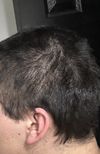
Cetirizine 10mg daily reduced hair shedding by 50% and lessened scalp itchiness. The user is considering long-term use for scalp inflammation and hair loss.
The conversation discusses the effects of finasteride on hair loss and its potential neurological and sexual side effects. Users share personal experiences, with some reporting positive outcomes and others expressing concerns about cognitive function.
Gut microbiome imbalances can cause scalp inflammation and affect hair follicles, potentially leading to hair loss. Treatments include finasteride, peptides like BPC-157, TB-500, KPV, and lifestyle changes such as diet and exercise.
The user is experiencing severe hair loss despite using finasteride for 10 months and suspects scalp buildup might be contributing. Suggestions include using ketoconazole shampoo, consulting a dermatologist, and trying terbinafine cream.
The user experienced a severe hair shedding phase after switching to a combination pill of finasteride, minoxidil, and B12, but the shedding has now significantly reduced. Other users shared similar experiences, noting that shedding can be a sign of treatment effectiveness.
The conversation is about a user considering joining a clinical study for Clascoterone (Breezula) after experiencing no results with topical finasteride and minoxidil, and side effects from oral finasteride. The user is seeking advice on clinical study participation and experiences.
Hair loss possibly caused by a fungal infection might be treated with antifungal shampoos or oral medications. If not fungal, treatments like minoxidil or finasteride may be necessary.
The conversation is a satirical poem about hair loss, mentioning treatments like Minoxidil, RU58841, hair transplants, and derma rolling. The user also shares their personal regimen, which includes Dutasteride, Finasteride, Minoxidil, Alfatradiol, Stemoxydine, Ketoconazole shampoo, Fluridil, and Cetirizine, along with monthly microneedling.
A poem humorously suggests hope for a new hair loss treatment, PP405, while users debate the effectiveness and side effects of current treatments like Finasteride. Concerns are raised about Finasteride's side effects, especially for young users, and skepticism about new treatments is expressed.
New hair loss treatments PP405 and VDPHL01 are discussed with skepticism and hope, alongside existing treatments like minoxidil and finasteride. Users express frustration over limited progress since the 1980s but remain cautiously optimistic.
The user is experiencing hair thinning on the sides and back of the head while the top remains thick. A reply suggests it might be retrograde alopecia.
HMI-115, a newly discovered hair loss treatment that could potentially be effective for those with diffuse thinning and telogen effluvium. It is based on prolactin receptor antagonist signaling and has already undergone Phase I trials in women, with potential commercialization by 2027.
Using finasteride and peptides, including GHK-Cu, improved hair thickness and regrowth. The user also used a KLOW blend and CJC/IPA for better sleep and recovery.
The conversation discusses various absurd theories about the causes of male pattern baldness, with some users suggesting treatments like oral dutasteride. It highlights misinformation and humorous myths, such as hair loss being linked to testosterone levels or masturbation.
A 20-year-old woman with androgenetic alopecia feels depressed about her hair loss, despite using topical minoxidil, spironolactone, and saw palmetto. Suggestions include trying oral minoxidil, higher doses of finasteride or dutasteride, and checking for vitamin deficiencies and heavy metal exposure.
A humorous discussion on hair loss, suggesting girlfriend ASMR might counteract finasteride's effects, with a proposed experiment involving finasteride, ASMR, and control groups. Participants joke about evolutionary theories, ASMR, and the effects of DHT on balding.
The conversation is a satirical discussion about unconventional hair loss treatments, including using mold, butter, and other non-traditional substances, with no real evidence of effectiveness. Some users joke about side effects like erectile dysfunction and weight gain.
A 43-year-old man noticed hair thinning due to stress and started using Minoxidil, supplements, and specific shampoos, seeing improvement after 7 months. He is hesitant to add Finasteride due to fear of side effects but is managing stress better and feels more confident.
Discussing results, side effects and potential sources of pyrilutamide for hair loss treatment alongside RU58841 and other treatments such as Minoxidil and finasteride.
Ashwagandha may cause hair thinning due to increased TSH levels, suggesting a link to hypothyroidism. Users are advised to consult a doctor for proper evaluation.
The conversation is about a user sharing their positive experience with Scalp Micropigmentation (SMP) for hair loss, highlighting the natural look achieved by a specialized artist. The procedure cost $2600 and was done by Alex Corona in Panama City Beach, FL.
A user was prescribed betamethasone dipropionate spray for a receding hairline, which caused skin peeling and depigmentation. They stopped using it and are considering alternatives like BPC-157/TB-500 for healing.
A user experienced burning, itching, and soreness on their scalp after a perm in 2021, despite using oral finasteride, oral minoxidil, and ketoconazole shampoo. They are seeking advice on whether to pursue further medical tests or consult a neurologist for nerve pain.
People are discussing the potential of a new hair loss treatment, pp405, and its approval timeline, comparing it to existing treatments like Minoxidil and finasteride. There is skepticism about its effectiveness and concerns about the time it will take for approval and availability, especially in Europe.
Hair cloning for hair loss is unlikely to be available or affordable in the next 10 years. Current treatments like Minoxidil, finasteride, and RU58841 are still the main options, with skepticism about new advancements.
Vitamin E and K deficiencies due to exocrine pancreatic insufficiency may affect hair growth. A scalp biopsy is recommended to check for autoimmune-related hair loss.
Pyrilitamide (KX-826) did not show significant improvement in hair count compared to placebo after 6 months. It's unclear if it can maintain hair at baseline.
The user suspects scarring alopecia and is exploring NSAIDs and turmeric/pepper for inflammation-related hair loss, having experienced burning and thinning with finasteride and testosterone reduction. They are seeking feedback while unable to afford a dermatologist.
Clascoterone in Winlevi, a topical AR antagonist, is being re-examined due to concerns about HPA axis suppression in adolescents, but it's unlikely to be banned for adult use in androgenetic alopecia (AGA). The European Medicines Agency recommended refusing Winlevi for acne vulgaris, but this may not affect Breezula's approval for AGA.