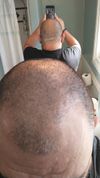
A user's experience with microneedling monotherapy and potential treatments such as finasteride, minoxidil, Stemoxydine, rosemary oil, peppermint oil, and RU58841 for reversing hair loss.
PP405 increased hair density by 20% in 31% of participants, but results are considered underwhelming. Minoxidil and finasteride are seen as more effective treatments.
Cecred hair drops, containing keratin and biotin, are questioned for their effectiveness compared to proven treatments like minoxidil. Users express skepticism, suggesting deceptive marketing and the possibility of undisclosed use of other treatments like finasteride.
A user shared progress pictures showing improvement in PCOS-related hair loss after six months of using topical minoxidil, dermarolling 0.5mm weekly, and taking biotin gummies. They expressed happiness about the appearance of new baby hairs.
The user received trichotest results indicating finasteride is ineffective for them, and they plan to use dutasteride mesotherapy and add cetirizine to minoxidil. They seek advice on incorporating dutasteride into their regimen.
Doug-Sweeney has had positive results from using 1mg of finasteride and 5% minoxidil applied twice a day to treat his hair loss. Other users have also commented on how Doug-Sweeney looks younger with the improvements in hair quality.
A gel of keratin microspheres promotes hair follicle growth, showing similar effectiveness to minoxidil in mice. The treatment activates hair growth pathways and reduces inflammation, with potential applications in drug delivery for hair-related disorders.
The user shared a 4-month hair loss treatment update, using Kirkland liquid minoxidil twice daily, microneedling with 1.5mm and 0.5mm needles, and applying rosemary oil twice a week. They plan to start taking finasteride and also grew a beard by microneedling and applying minoxidil to their face.
The conversation is about the release timeline for clinical trial results and the availability of Breezula, a hair loss treatment. The user is not comfortable buying it as a research drug from China.
HMI 115 is being discussed as a potential hair loss treatment, with skepticism due to past disappointments like cosmeRNA, brezula, and pyrilutamide. The user is questioning if they should be hopeful for new developments in the next six years.
Vitamin C mixed with shampoo stopped shedding and promoted hair regrowth after 1.5 years. Both the person and their wife experienced significant hair loss reduction with this method.
The conversation discusses the safety study of PP405, emphasizing that early trials focus on safety rather than efficacy, and that any efficacy data from such a short study should be viewed skeptically. It also highlights that the information released is primarily for securing funding, and that meaningful efficacy results are expected in later phases.
The conversation discusses treating male pattern baldness in a transgender woman using cyproterone acetate, finasteride, and biotin. The original poster shared their experience for others who might be in a similar situation.
A quercetin-encapsulated and polydopamine-integrated nanosystem (PDA@QLipo) shows promise for treating androgenetic alopecia by reshaping the perifollicular microenvironment, outperforming minoxidil in hair regeneration. The nanosystem promotes cell proliferation, hair follicle renewal, and recovery by scavenging reactive oxygen species and enhancing neovascularity.
A user is joining a clinical trial for Clascoterone, a drug approved for acne but being tested for hair loss. They previously tried finasteride with limited success and plan to share updates on their experience with the new treatment.
Minoxidil is highly toxic to cats, and users are advised to avoid using it if they have cats, or to take extreme precautions if they do. Some users suggest using oral minoxidil instead, but it may not be available in all countries.
The conversation discusses the potential of developing a selective oral SARM to target androgen activity in the scalp and skin, as an alternative to oral Dutasteride and Finasteride, which have systemic side effects. It also mentions Clascoterone and RU58841 as topical treatments for hair loss.
The conversation discusses the potential of a new hair loss treatment, GT20029, which targets androgen receptors in the scalp and is in phase 1 trials in China. Users express hope that this treatment will be more effective than current options like Minoxidil and Finasteride.
The conversation is about baricitinib, a medicine that can help with hair loss, and why it isn't more popular or widely discussed. No specific experiences with the treatment were shared.
User "hairlossblows" shares their positive experience with minoxidil, microneedling, and finasteride for hair loss treatment. They report significant hair regrowth, especially in the hairline, and minimal side effects from finasteride.
The user is experiencing severe hair shedding after using RU58841, stemoxydine, and minoxidil, and has stopped using finasteride due to side effects. They hope the shedding is temporary and will lead to regrowth.
The conversation discusses HMI 115, a new hair loss treatment with promising results, showing a significant increase in hair density after two months. Some users are skeptical, while others are hopeful for its release and potential affordability.
A user diagnosed with Crohn's disease is concerned it might contribute to balding. They have been using keto shampoo, finasteride, and oral minoxidil, which improved their hair but not significantly.
The conversation is a satirical discussion about hair loss treatments, jokingly suggesting using a Cocker Spaniel as an alternative to actual treatments like finasteride, minoxidil, RU58841, ketoconazole, and dermarolling.
A user's successful hair regrowth after 7 months of using 5% minoxidil, 1mg finasteride, and adding micro needling 4 months ago. The user also took biotin, fish oil, and collagen supplements, and reduced finasteride intake to once every 3 days due to minor libido decay.
A user experienced increased shedding after adding KX-826 to their long-term finasteride and minoxidil regimen. Another user reported mild side effects from KX-826, such as stomach and testicle pain.
Stem cell treatment research shows promise in reversing hair loss in mice, but it's likely 10 years away and expensive. Current recommended treatments include minoxidil, finasteride, and hair transplants.
The user reported noticeable hair improvement over four months using 1 mg of finasteride and weekly microneedling. Progress photos from October 2024 to January 2025 show positive changes.