The user is struggling with seborrheic dermatitis and plans to try ciclopirox olamine after finding ketoconazole too drying. They are also using finasteride daily.
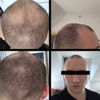
The user shared progress on hair regrowth using finasteride, minoxidil, dermastamp, Nizoral shampoo, and scalp massage, showing significant improvement in three months. The user reported no side effects and asked if early regrowth is normal.
Finasteride and dutasteride are discussed as preventative treatments for hair loss, with some advocating for early use and others concerned about side effects, especially before full maturity. Many regret not starting these treatments earlier due to their effectiveness in preventing or slowing hair loss.
A user shared their experience with hair loss, initially using oral finasteride and minoxidil but experiencing side effects like low libido and ED. They switched to a topical finasteride and minoxidil combination, which improved their hair thickness with fewer side effects.
A user shared their successful hair regrowth experience using 1.25mg finasteride daily, alternating oral and topical minoxidil, and weekly dermarolling. They reported significant improvement in their hairline and crown coverage over a year, with minimal side effects.
Counterfeit minoxidil can be identified by inconsistencies in bottle fill levels, label details, and smell compared to genuine products. Genuine minoxidil has a specific alcohol-based smell and consistency, while counterfeit versions may smell musky and feel greasy.
The conversation discusses using a TCA 35% chemical peel on the scalp to potentially improve hair growth by addressing fibrosis and enhancing the effectiveness of topical treatments. The user also mentions trying microneedling and other methods like topical metformin and dutasteride for hair regrowth.
A user experienced increased hair shedding after 2.5 years on finasteride and 5 months on minoxidil, possibly due to recent additions like supplements and microneedling. Others shared similar experiences with minoxidil shedding, suggesting it may be a normal part of the process, with hair often growing back thicker.
Hair loss can be caused by various factors such as stress, thyroid issues, and genetics. Treatments mentioned include dutasteride, DHT blockers, and thyroid medication, though results vary.
A 22-year-old male shared his 4-month progress using topical minoxidil, topical finasteride, dermarolling, ketoconazole shampoo, and supplements for hair loss, showing significant improvement. Users discussed his potential for further recovery, shared purchasing tips for finasteride, and mentioned possible side effects like reduced libido.
Black individuals may embrace baldness better due to less contrast between hair and skin. Finasteride is suggested for hair loss management, and natural styles like buzz cuts are recommended.
Minoxidil and spironolactone are recommended for female hair loss, and they can be used together. A dermatologist visit is advised to confirm the type of hair loss and rule out other issues.
The user is experiencing asymmetrical hair loss at the frontal hairline and is concerned about potential conditions like frontal fibrosing alopecia. They have started using finasteride and pumpkin seed oil to address the issue.
A 24-year-old started using finasteride for hair loss after hesitating due to potential side effects, and is considering a hair transplant. Other users shared their experiences with finasteride, minoxidil, and rosemary oil, discussing effectiveness and side effects.
A 41-year-old man shared his two-year progress using finasteride for hair regrowth, noting significant improvement but wishing he had started earlier. He plans to add oral minoxidil to his routine despite concerns about potential side effects, emphasizing the importance of starting treatment early to combat hair loss.
Successful hair regrowth after six months using finasteride and topical minoxidil, with minimal side effects like anxiety. Finasteride was the main treatment, and minoxidil supported regrowth.
The user experienced initial hair improvement with dutasteride and minoxidil but saw worsening at seven months, likely due to shedding. The consensus is to continue treatment, as shedding is common and improvement may take up to a year.
A person suspects their friend had a hair transplant instead of stem-cell injections due to a noticeably straight hairline. The discussion includes opinions on hair transplants, societal perceptions, and suggestions like using finasteride to maintain hair.
The user is experiencing positive hair growth after 3 months using 0.5mg dutasteride, 2.5mg oral minoxidil, topical minoxidil, dermastamping, and biotin shampoo, with some side effects like reduced libido and palpitations. They plan to continue treatment for a year before considering a hair transplant, as advised by another user who suggests waiting for full results from minoxidil and finasteride.
Dutasteride tablets from India are significantly cheaper than those from pharmacies, but there are concerns about authenticity and customs issues. The user is also using oral minoxidil, finasteride, and RU58841 for hair loss treatment.
A user created a tracker for hair loss treatments in clinical development, including compounds like Dermaliq, RU58841, and Pyrilutamide. The tracker updates with new information and allows filtering by conditions like androgenetic alopecia (AGA) and alopecia areata (AA).
Take 1mg finasteride daily as the standard approach; adjust only if side effects occur. Many users experiment unnecessarily with doses and methods, complicating treatment.
Using tretinoin with minoxidil can cause burning and flaky skin due to alcohol in minoxidil and tretinoin's effects. Solutions include using minoxidil foam, starting with low tretinoin doses, moisturizing, and gradually increasing usage.
Filtered shower heads may improve scalp and hair health but do not affect male pattern baldness (MPB). Genetics and factors like DHT and scalp tension are more significant in hair loss.
A 35-year-old man underwent a hair transplant with Dr. Patty at HairTran Clinic in Bangkok, receiving 4,037 grafts primarily for his crown area. The procedure cost 188,700 THB, with an additional 12,000 THB for optional PRP treatment, and he plans to update with progress pictures in a year.
South Korea's president is advocating for hereditary hair loss to be covered by national health insurance due to its impact on mental health and daily functioning. The discussion highlights the societal pressure in South Korea regarding appearance and the potential benefits of treating hair loss to improve mental health.
The user had a hair transplant five years ago and started using minoxidil three months ago. Commenters recommend adding finasteride or other DHT blockers to prevent further hair loss and maintain results.
A user shared their positive experience with a 2,600 grafts hair transplant surgery in India, expressing optimism about the results. The conversation also debated the necessity of medications like finasteride to maintain hair transplant results and prevent further hair loss.
The user is considering stopping finasteride after 1.8 years due to concerns about side effects and is exploring alternatives like minoxidil and topical finasteride. They are also considering microneedling and are advised to wait for new treatments like breezula/clascoterone.
The user switched from finasteride to dutasteride and oral minoxidil, experiencing better hair maintenance and some regrowth. They also addressed vitamin deficiencies, which may have contributed to their progress.