The conversation is about seeking advice on the potential benefits of two different hair sprays for hair loss, with a list of ingredients provided for each. Specific treatments were not discussed.
A 21-year-old is experiencing hairline recession and is using finasteride, saw palmetto, gelatin, topical minoxidil with retinoic acid, derma stamping, and scalp massage to address it. Suggestions include adding oral minoxidil, vitamin D3 with K2, and maintaining the current regimen for a year.
A dermatologist recommended using topical Dutasteride (15%) once a week, alongside oral Finasteride and Minoxidil, to improve hair strength and response. The user is seeking experiences or evidence on the effectiveness of this high-concentration regimen.
Finasteride is not linked to a 60% risk of persistent sexual dysfunction; this figure applies only to those already experiencing sexual issues. Most users do not have side effects, and the study's methodology is criticized for selection bias.
A doctor advised against taking finasteride after a hair transplant, suggesting the patient had reached their final balding pattern, but many users disagreed, recommending medications like minoxidil and finasteride to prevent further hair loss. The consensus was to seek a second opinion, as the advice seemed financially motivated rather than medically sound.
The user experiences increased dandruff from daily use of minoxidil and finasteride, and seeks shampoo recommendations for an oily scalp that can address dandruff and aid hair restoration. They found Anaphase and an Indian herbal shampoo ineffective.
A 17-year-old is using topical minoxidil for hair loss and is considering other treatments like ketoconazole shampoo and saw palmetto while waiting to start finasteride at 19. Suggestions include using oral minoxidil, topical antiandrogens like RU58841, and CB-03-01, with a focus on minimizing systemic DHT impact.
An 18-year-old is considering splitting 5mg Finasteride pills into 1.25mg doses to save money, but is concerned about potential hormonal fluctuations and side effects due to his age. Users advise caution, suggest consulting a doctor, and recommend considering lower or less frequent doses.
A dermatologist prescribed a 16-year-old a mix of 5% topical minoxidil and 0.1% topical finasteride for hair loss, but the user is concerned about side effects. Another user advises against using finasteride at a young age due to potential growth impacts and suggests consulting a doctor to assess growth completion.
A 45-year-old male successfully slowed hair loss using Nizoral and low-level laser therapy (LLLT) but cannot use Minoxidil, finasteride, or dutasteride for medical reasons. He seeks suggestions for hair regrowth options.
A 32-year-old male with diffuse thinning and seborrheic dermatitis has been using finasteride for 8 months without improvement. He is considering COQ10 + PQQ supplements for scalp inflammation and hair loss.
The post discusses the completion of the HMI-115 Australian Phase 1 Trial for hair loss treatment. The user speculates about the potential early release of the trial results.
Users discuss finding reliable sources for RU58841, focusing on lab tests, batch consistency, and community reputation. Some mention using alternatives like pyrilutamide.
The GT20029 tincture, a topical androgen receptor degrader, showed significant hair growth and good safety in a China Phase II trial for male androgenetic alopecia (AGA), with the 1% dose twice weekly identified as optimal. The company plans to initiate Phase III trials in China and Phase II in the U.S., and the treatment also shows promise for acne.
A 28-year-old male shares his 12-step hair regrowth routine, including finasteride, minoxidil, RU58841, LLLT, dermarolling, various shampoos, supplements, and a healthy diet. He seeks advice on microneedling frequency and mentions experiencing lowered libido and occasional scalp inflammation.
A Phase II clinical trial for TDM-105795 has started recruiting in the US, and it might be a promising treatment for hair loss. Many hair loss drugs, including this one, originate from China.
The user is taking finasteride for hair loss and is considering adding Resveratrol and Bio-Quercetin supplements for general wellbeing. They are concerned about potential interactions affecting the effectiveness of finasteride.
A 33-year-old user is seeking advice on adjusting their hair loss treatment, which includes daily finasteride, oral minoxidil, and various supplements. They are considering switching to alternate-day dosing of finasteride or dutasteride and are concerned about potential shedding and effectiveness.
The conversation discusses methods to further reduce DHT in the scalp for hair loss treatment, with users suggesting various approaches like using dutasteride, minoxidil, tretinoin, and natural supplements like pumpkin seed oil. Some users also mention using topical applications and scalp massages to enhance the effectiveness of these treatments.
The user is considering starting a 6-month treatment with minoxidil and finasteride for hair loss but is unsure due to minimal current hair loss and concerns about mental health effects from oral finasteride. They are uncertain about the correct application areas for these treatments.
Hair loss impacts mental health and should be covered by healthcare, with treatments like finasteride, dutasteride, and minoxidil being affordable and effective. Some argue hair loss is cosmetic and shouldn't be funded, while others highlight its broader health implications.
Avoid layering thin or thinning hair, as it can make hair appear thinner and uneven. Proper framing and minimal layering can help maintain a fuller look, especially when using treatments like Minoxidil and Finasteride.
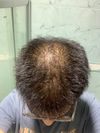
A 29-year-old male in Japan is seeking advice on transitioning Finasteride brands, sourcing Finasteride and Minoxidil without a prescription, and managing chronic scalp inflammation. He is considering adding Minoxidil to his routine and is concerned about diffuse thinning and persistent scalp issues despite following a dermatologist's prescribed treatment.
The conversation discusses a user's hair growth routine involving scalp massages, dermastamping, and rosemary oil, with mixed opinions on its effectiveness. Some users suggest proven treatments like minoxidil and finasteride, while others debate the merits of alternative methods.
Switching from 1mg finasteride to dutasteride, with users recommending starting at 0.5mg daily. Some users prefer capsules, while others use tablets, citing effectiveness and regulatory approval in Asia.
Topical Finasteride is most effective at 0.1-0.25%, and Minoxidil at 5%. Tretinoin is optional, and additional ingredients like biotin, caffeine, and saw palmetto are recommended.
A 27-year-old male is experiencing a recurring pattern of hair loss after 5 months of using oral minoxidil and finasteride, despite initial success. He is considering using topical androgen receptor blockers like RU58841, pyrilutamide, or clascoterone to address potential androgen receptor hypersensitivity.
![[29M] Living in Japan. Need advice on transitioning Finasteride brands, sourcing options, adding Minoxidil, and managing chronic scalp inflammation/burning](/images/assets/2c03d2a6-45e7-43a7-ae42-66134be78c7f/small/20575.jpg)