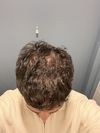
A user experienced severe scalp itching with MPB and found Nizoral ineffective. A doctor diagnosed seborrheic eczema and prescribed Betacap, which relieved the itching.
The conversation discusses using finasteride for hair loss, with iron supplements helping to slow shedding. The user emphasizes that shedding doesn't necessarily mean permanent hair loss.
The conversation is about the potential dangers of taking oral minoxidil and grapefruit juice together. Some users express concern about dangerous drug interactions, while others argue that grapefruit juice may inhibit the metabolism of finasteride. The conclusion is that grapefruit juice may make finasteride less effective, but it won't affect minoxidil.
A 27-year-old man saw significant hair regrowth after starting a regimen in January that included topical minoxidil with finasteride, vitamins D and B12, fish oil, zinc with magnesium, quitting smoking, and intermittent fasting. People commented on the effectiveness of minoxidil in Southern populations and asked about the details and timeline of his treatment.
CHK-Cu (copper peptide) and C-60 (branched carbon chain) are discussed as potentially more effective than minoxidil for hair regrowth. Some users are skeptical about the claim that DHT isn't the root cause of hair loss, and others are trying these products to see if they work.
The individual has experienced a sore, stiff, and itchy scalp with hair loss for 4.5 years, and has noticed increased thinning and miniaturized hairs, especially at the temples. They have tried ketoconazole shampoo without success and are considering finasteride for treatment.
The conversation discusses using Vitamin E, Minoxidil, finasteride, and RU58841 for hair loss treatment. The link provided offers more information on the benefits of Vitamin E for hair loss.
A user shared their positive 3-month experience using finasteride, minoxidil, and vitamin D to treat hair loss, noting significant regrowth and minimal shedding. They also discussed potential side effects and the low likelihood of experiencing them, while being open to answering further questions.
The conversation is about hair loss treatments, specifically using finasteride, minoxidil, and biotin, with a focus on the effectiveness of Hims products. Users discuss the results, potential side effects, and the role of biotin in the treatment.
The user is experiencing hair loss, possibly due to androgenic alopecia or telogen effluvium, and is considering treatments like Minoxidil, Finasteride, or RU58841. They also mention potential iron deficiency and sleep deprivation as contributing factors.
A 29-year-old is experiencing hairline loss and has been using oral finasteride and topical minoxidil for two months, considering adding RU58841. They are advised to get a blood test for deficiencies and to style their hair instead of frequent haircuts.
Diffuse hair loss is often linked to genetics but can also be due to health issues like thyroid problems and low vitamin or iron levels. Treatments include finasteride, minoxidil, and dutasteride, with some seeing improvements after addressing health issues.
Datwagg63 started taking finasteride for hair loss and supplements it with omega 3, vitamins, and a low-carb diet while lifting weights. InternationalBerry suggested adding minoxidil, as it's considered the second most effective treatment after finasteride.
Micronutrient testing and deficiencies related to hair loss, particularly androgenetic alopecia (AGA). Discussion includes the impact of iron, selenium, zinc, copper, folate, B12, vitamin E, vitamin D, amino acids, and fatty acids, alongside treatments like dutasteride or finasteride.
User discusses using finasteride, ketoconazole, fish oil, nettle root, saw palmetto, emu oil, and plans to start minoxidil for hair loss. They report maintaining hair with minor side effects like slightly lower libido and watery semen.
The conversation discusses hair loss struggles and treatments, including oral minoxidil, oral finasteride, and RU58841. Users share experiences and advice, suggesting options like topical minoxidil, microneedling, hair transplants, and scalp micropigmentation.
The conversation discusses hair loss treatments, including minoxidil, finasteride, biotin, folic acid, zinc, micro-needling, niacin, and cipaxil, with the user preparing for a hair transplant. The user experiences side effects with topical finasteride and is hesitant to try oral dutasteride.
After one month of treatment with finasteride, minoxidil, dermarolling, ketoconazole shampoo, hair vitamins, and vitamin D3, the user reports minimal visual progress and increased shedding, but notes stronger body hair and light fuzz on eyebrows. The user is inquiring about potential hair regrowth.
Vitamin D supplementation can aid hair regrowth for some, but results differ. Combining vitamin D with finasteride and minoxidil often improves hair thickness, though not for everyone.
The conversation discusses various supplements and vitamins like Vitamin D3, K2, Biotin, Iron, Zinc, and B Vitamins for improving hair health. It also mentions a combination of Tocotrienols, Pycnogenol, Saw Palmetto, Pumpkin Seed Oil, Stinging Nettle, and Myricetin for stabilizing hair, with Saw Palmetto, Pygeum, and Stinging Nettle noted for thickening hair despite side effects.
Scalp massages may improve hair growth, with noticeable results in a few months. The technique involves detaching the skin from the skull, similar to detumescence therapy, and may be combined with other treatments for better results.
A user shared their experience with hair loss treatments, including minoxidil and finasteride, and their negative side effects. They outlined a new treatment plan involving microneedling, various supplements, minoxidil foam, ketoconazole shampoo, and an anti-inflammatory diet, with plans to document progress over three months. Another user responded, indicating their own similar efforts were a waste of money.
The user is experiencing significant hair loss despite using treatments like finasteride, minoxidil, dutasteride, micro-needling, rosemary oil, and various vitamins. In the conversation, others suggest checking iron and hemoglobin levels, maintaining a positive attitude, and adding RU58841 to the treatment regimen.
Baldness is often preventable with treatments like dutasteride, oral minoxidil, or finasteride. Many people fail to address it due to misinformation or lack of commitment.
A satirical discussion on intentionally inducing hair loss using harmful habits and substances like cigarettes, junk food, anabolic steroids, and stress. The conversation humorously suggests extreme measures like chemotherapy and hydrofluoric acid, while also mentioning the ineffectiveness of sulfates and pumpkin seed oil in hair loss prevention.
Clascoterone is being discussed as a promising new hair loss treatment, showing significant improvement in trials. Despite this, skepticism persists about its effectiveness, cost, and side effects, with some users preferring minoxidil and finasteride.
The user "ajsr8" shared their story of hair loss despite being on treatments. They started using finasteride in 2019 and later tried topical minoxidil, but it didn't seem to work. They also experienced side effects from other treatments. They are considering cutting off their hair and stopping the medications if there is no improvement in three months. Other users suggested trying different treatments and getting a blood test to check for underlying conditions.
The user is experiencing a greasy and dandruff-prone scalp from using RU58841 with glycerin and is seeking alternative carriers for seborrheic dermatitis. They are also using dutasteride 0.5mg.
A user experienced a "watery belly" and cellulite after starting finasteride, despite maintaining a disciplined fitness routine. Others suggest checking hormone levels, as changes in DHT and estrogen could affect fat metabolism, but age might also be a factor.