User starts Nuclear Stack treatment for hair loss, including Dutasteride, Minoxidil, RU58841, Derminator 2, and supplements. Seeks advice on storing and dosing RU58841.
A 35-year-old man shares his positive progress in hair regrowth using a daily routine of 5mg oral minoxidil and 0.5mg dutasteride, along with a low light cap, weekly dermarolling, and biweekly ketoconazole shampoo. He reports noticeable improvements without side effects and aims to inspire others considering similar treatments.
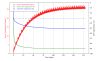
A Dutasteride Simulator predicts serum dutasteride, serum DHT, and scalp DHT levels using models from research papers. It simulates various dosing schedules to determine steady-state effects and visualizes outcomes, including hair growth-related scalp DHT suppression.
User shared before and after photos of hair regrowth using Dutasteride 5x a week for 19 months. They experienced significant improvement and thanked others for their support.
A joke about someone named "Fin Diesel" living life one milligram at a time, referencing the treatments Finasteride and Minoxidil used to treat hair loss; users discussed whether the look would be better with or without hair.
User shared 1-year progress using Finasteride, Minoxidil, and dermarolling with no side effects. Others discussed their experiences and asked questions about the treatments.
The conversation is about gathering serum DHT data from individuals taking dutasteride to investigate its efficacy, especially in cases with unexpectedly low DHT reduction. The aim is to explore potential genetic factors affecting drug metabolism.
A 20-year-old shared six months of hair regrowth progress using 1mg finasteride, 5% topical minoxidil, and recently started using a derma stamp. The user is pleased with the results and obtained finasteride through an online pharmacy.
Sulforaphane shows potential for hair regrowth, with users reporting reduced shedding and regrowth. Some users combine it with Minoxidil and finasteride for better results.
RU58841 cured seborrheic dermatitis, oily scalp, dandruff, and scalp pain, improving hair health when combined with Minoxidil. Another user noted diet impacts their seborrheic dermatitis and that finasteride hasn't changed their condition.
The user shared progress photos after using minoxidil 2.5mg and dutasteride 0.5mg daily for hair growth, starting in summer 2024. They reported no noticeable side effects and confirmed androgenetic alopecia in 2024.
User discusses potential hair loss treatment SCUBE3 and shares mixed opinions on its effectiveness. One user reports positive results after applying SCUBE3 following microneedling.
User experienced 6 months progress using dut 0.5 daily and oral Minoxidil 5mg daily, with some side effects. Others congratulated and shared similar experiences, giving hope.
PP405, a topical LDH inhibitor, has shown to stimulate hair follicle stem cell proliferation in humans with moderate hair loss. They are advancing to more detailed trials this year.
The conversation is about someone's 13-month hair regrowth progress using 0.5 mg Dutasteride daily, 5% Minoxidil twice daily, Biotin tablets, and Sebizole shampoo. They are happy with the results.
Dutasteride significantly improved hair health and reduced shedding for a woman with PCOS and hyperandrogenism, without causing depression or anxiety, unlike finasteride. Dutasteride also helped with PMDD symptoms and had no side effects, though it changed hair texture.
The conversation discusses the anticipated release of GT20029, with some users expressing skepticism about its availability. It also mentions the use of treatments like Minoxidil, finasteride, RU58841, and dutasteride for hair loss.
The user reports that using topical Dutasteride has stopped their hair loss, and they are curious about potential side effects and regrowth. They also mention having scalp psoriasis and past SSRI use affecting libido.
The conversation discusses the delay in the release of GT20029 for hair loss treatment and skepticism about its effectiveness. Participants mention other treatments like verteporfin and advancements in transplant procedures as more realistic options.
New hair loss treatments PP405 and VDPHL01 are discussed with skepticism and hope, alongside existing treatments like minoxidil and finasteride. Users express frustration over limited progress since the 1980s but remain cautiously optimistic.
Finasteride can cause gynecomastia due to hormonal imbalances. Management includes consulting an endocrinologist and using aromatase inhibitors like anastrozole or supplements like DIM and zinc.