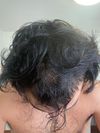
The user noticed hair thinning during COVID, tried home remedies, and then started finasteride in March and minoxidil in August. They shared progress pictures of their hair loss journey.
The user experienced hair regrowth using a topical solution containing 5% minoxidil and 0.1% finasteride, despite an initial shedding phase. They reported no side effects and noted significant improvement in hair density, particularly around the crown area.
The user experienced initial shedding but saw regrowth after seven months using oral minoxidil (1.75mg) and a dandruff shampoo. They plan to try Spironolactone and possibly metformin for PCOS-related hair issues.
The user experienced significant hair growth over three months using topical Minoxidil, microdosing Finasteride, microneedling, and ketoconazole shampoo. They also use Toppik hair fibers and Aveda hair thickening tonic for styling.
The user completed 6 months of using topical liquid minoxidil and oral finasteride, experiencing initial hair shedding followed by gradual regrowth after 2 months. They also dealt with dandruff and reported no negative impact on sex drive.
A trans woman experiencing male pattern baldness has been using Minoxidil and microneedling for 3.5 months, noticing visible hair regrowth. Despite initial skepticism, progress is evident, though a hair transplant might be needed for fuller coverage.
Hair loss treatment with Finasteride and Minoxidil showed significant improvement in 5 months. No side effects experienced, only minor shedding at the beginning.
The user experienced hair thinning from chromium and alpha lipoic acid supplements, which stopped after discontinuing them. Someone mentioned this could be telogen effluvium, a temporary condition.
A 20-year-old experiencing hair loss was diagnosed with androgenetic alopecia and prescribed finasteride, minoxidil, and multivitamin/zinc pills. They are considering starting finasteride and minoxidil daily to maintain their hair and stop further loss.
The user followed a hair loss treatment routine using liquid minoxidil, oral minoxidil, and oral finasteride, with plans to stop topical minoxidil by mid-2026. They experienced significant improvement, especially in the crown area, after starting oral minoxidil.
A user's progress with hair loss treatments over 5 months, using topical finasteride (0.3%) and minoxidil (6%), as well as weekly microneedling sessions; other users have asked questions about the results and offered compliments.
The user is experiencing severe hair loss after surgery and stress, with thinning all over the head, including the sides and neck. They are unsure if it's due to DUPA or alopecia areata incognita, and doctors have not observed miniaturization.
Pregnancy can temporarily reverse hair loss in women, but attempts to mimic pregnancy hormones with treatments like contraceptive pills, spironolactone, estradiol, progesterone, finasteride, and minoxidil have been ineffective. The discussion highlights the need for research into the hormonal mechanisms of pregnancy that affect hair regrowth.
A user is excited to shave their head for a pilgrimage to Saudi Arabia after seeing hair regrowth from using finasteride, minoxidil, Nizoral, and a derma roller. Others in the conversation offer prayers and discuss the religious aspects of shaving for the pilgrimage.
Significant hair regrowth was achieved using a topical combination of 0.3% finasteride and 6% minoxidil, with weekly dermastamping and ketoconazole shampoo, without side effects. Others suggested additional treatments like red light therapy and PRP.
User shared 3-month hair loss progress using foam Minoxidil, finasteride, microneedling, and shampoos. They experienced side effects with oral Minoxidil but had success with topical treatments and finasteride.
Increased Malassezia and Cutibacterium in the scalp microbiome are linked to higher sebum production and inflammation in androgenetic alopecia (AGA). Treatments include ciclopirox shampoo, benzoyl peroxide shampoo, clobetasol propionate, calcipotriol, minoxidil, finasteride, and dutasteride.
User with shoulder-length hair using Finasteride for 5 weeks notices less long hair loss but more short hair loss. They also use keto for sebderm and vitamin D3.
The user experienced hair regrowth with finasteride and minoxidil but faced shedding after stopping the treatment. They resumed the treatment and used Toppik hair fibers to mask hair thinning during the shedding phase.
The user experienced significant hair regrowth using finasteride, minoxidil, and a 4,000-graft hair transplant performed by Dr. Nader in Reynosa, Mexico. The results were natural-looking, and the user plans a second transplant for additional density if needed.
Astaxanthin may cause increased hair shedding, affecting even transplanted hair and eyebrows. The user has tried various treatments for androgenic alopecia, including minoxidil, finasteride, and RU58841.
The user shared their 11-year journey battling hair loss, highlighting the importance of consistent treatment and avoiding common mistakes. Treatments included minoxidil, finasteride, derma rolling, ketoconazole, multivitamins, and a hair transplant.
A user is experiencing severe hair loss and dandruff, trying various treatments including Minoxidil, Nizoral 2% Ketoconazole, Neutrogena T/Gel, coconut oil, baby shampoo, apple cider vinegar, aloe vera gel, and tea tree oil. They believe the issue is not genetic and are seeking advice and solutions.
Rapid weight loss may have triggered increased hair shedding. Continuing with finasteride, microneedling, a healthy diet, and supplements like MSM and vitamin B is advised, but results may take 6-12 months.
A user reports significant hair regrowth after using a combination of 0.3% finasteride and 6% minoxidil, applied with a dropper, and switching to Nizoral shampoo. They experienced hair loss while studying and working, but saw improvement without side effects, despite not continuing with derma rolling.
A 20-year-old using minoxidil, weekly microneedling, biotin, vitamin D3, rosemary oil, and saw palmetto shampoo for hair regrowth. The user is in the shedding phase and hopes for better results in months 3-6.
The user experienced noticeable hair regrowth in three months using finasteride, minoxidil, and weekly dermastamping, while managing scalp inflammation with clobetasol. The user also uses a sea salt shampoo and rosemary conditioner to help maintain scalp health.
The user has been using finasteride and minoxidil for over a year and is seeing thin hair regrowth with some 1cm hairs still growing. They are considering a hair transplant and are taking zinc to manage side effects.