A 24-year-old female experiencing hair shedding for 8-9 months suspects it may be due to stress or birth control pills. She plans to consult a dermatologist and gynecologist for further insight.
A 28-year-old in Turkey is experiencing hairloss, affecting his confidence and mood. He uses various supplements and shampoos, and is considering topical finasteride/dutasteride and minoxidil for treatment.
After one month of treatment with finasteride, minoxidil, dermarolling, ketoconazole shampoo, hair vitamins, and vitamin D3, the user reports minimal visual progress and increased shedding, but notes stronger body hair and light fuzz on eyebrows. The user is inquiring about potential hair regrowth.
The conversation discusses concerns about potential hair thinning over two years, with suggestions to monitor changes and consider treatments like Minoxidil and finasteride if needed. The user is advised to refer to a beginner's guide for more information.
The conversation discusses ongoing hairloss while using finasteride (Fin) and concerns about potential interactions with Hydrocortisone Butyrate. The consensus is that shedding is normal and it can take 1-1.5 years to see results from finasteride.
The conversation is about various hairloss treatments, including finasteride, minoxidil, RU58841, and natural supplements like saw palmetto and pumpkin seed oil. It also covers methods to improve blood circulation, nourish hair follicles, and address underlying health issues like vitamin D deficiency and high cortisol levels.
The user has been using finasteride, minoxidil, and Nizoral for hairloss but is not seeing much regrowth. Suggestions include trying oral minoxidil with dutasteride, and some users believe the hair looks better in recent pictures.
The user is experiencing aggressive hairloss since their teens and has tried finasteride, topical minoxidil, dutasteride, and oral minoxidil without success in halting the hairloss. They are seeking advice on how to stop it.
A 20-year-old experiencing hairloss uses minoxidil, Nizoral shampoo, vitamin D, and biotin. They are considering finasteride or dutasteride and are advised to consult a doctor for diagnosis and possible oral treatments.
Increased hair fall after starting minoxidil, dutasteride, and biotin is normal. Hair may grow faster, and shaving your head is fine while on these medications.
A 21-year-old female is experiencing rapid hair shedding and receding hairline despite trying various treatments like hydration, vitamins, and castor oil. Medical tests showed normal results, and she seeks advice as the hairloss continues.
A user with scalp psoriasis and hairloss is hesitant to use topical minoxidil and finasteride due to concerns about psoriasis and potential side effects. They are considering alternatives like pumpkin seed and saw palmetto.
The user experienced significant hair regrowth and increased volume after using topical minoxidil for a year and adding topical finasteride, microneedling, and ketoconazole shampoo for three months. They reported no side effects and noted that the itchy scalp issue resolved after starting finasteride and ketoconazole.
User experienced major hair fall after six months of using minoxidil, finasteride, and dutasteride. Replies suggest the hair shedding is normal and will improve over time.
The user experienced noticeable hair regrowth after using finasteride for 2 years, oral minoxidil for 1 year, and recently starting dermarolling. The right temple shows significant improvement, while the left remains similar.
A 17-year-old is experiencing hair shedding and is concerned about a receding hairline, using hair products like powder and sea salt spray. Advice given includes maintaining good nutrition, ensuring hair products don't build up, and considering further resources if worried.
The user experienced hair shedding after increasing minoxidil from 5% to 7% with latanoprost, possibly causing telogen effluvium. They are on HRT with Lupron, Estradiol, and Raloxifene, and are concerned about the shedding's duration.
Diet and lifestyle changes can reduce hair shedding but won't regrow hair lost to genetic male pattern baldness. Treatments like finasteride and dutasteride are necessary for significant hair regrowth.
User is a Norwood 2-2.5, using 1.25 mg finasteride and 5% minoxidil lotion daily since June last year, experiencing significant regrowth. They are considering additional treatments like saw palmetto, microneedling, dutasteride, aminexil, stemoxydine, mesotherapy, ketoconazole shampoo, and alfatradiol to improve hair thickness.
.
This conversation was about hairloss treatments, with suggestions ranging from topical minoxidil and coconut oil to finasteride and microneedling. Several users suggested shaving off the remaining hair as a last resort.
The user shared their hair regrowth journey using topical minoxidil and finasteride since December 2021, experiencing shedding phases but ultimately achieving positive results by sticking with the treatment. They advise others to continue with their regimen despite shedding, as it can be a sign of the treatment working.
Shedding stopped for a user after trying various hairloss treatments without success, including Propecia and Minoxidil. The improvement occurred after starting CB (possibly a hairloss treatment), Eucapil, natural sprays with rosemary and cloves, and regular sauna visits.
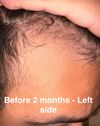
The user is using Minoxidil, Finasteride, a dermaroller, vitamin D, and anti-hairloss shampoo for hairloss treatment. They are seeking feedback on whether there is improvement after two months and if noticeable results can be expected within six months.
An 18-year-old male experiencing hair thinning and loss is using oral minoxidil, topical minoxidil, finasteride, and a multivitamin as prescribed by a dermatologist. He's having difficulty applying the topical minoxidil effectively due to his hair length, as he feels a lot of it stays on his hair instead of reaching the scalp.
The user stopped using topical finasteride and minoxidil, leading to hair thinning and shedding, and has since restarted the treatment. They are experiencing significant shedding and are seeking advice on whether this is normal and when improvement might occur, while using a regimen that includes Nutrafol, microneedling, Nioxin, and Nizoral.
A 25-year-old noticed thinning hair at the temples and started using finasteride (1mg/day) for two months, along with keto shampoo twice a week and vitamins like vitamin D, biotin, and zinc. They are seeing some results and are hopeful about regaining lost hair.
The user is experiencing significant hair shedding after four months of using topical finasteride and minoxidil, questioning if it's a normal shedding phase or if the treatment isn't working. They are considering switching to oral treatments and have increased their finasteride concentration, while also using keto and caffeine shampoos.
The user has been using topical minoxidil and finasteride for hairloss, with some regrowth at the temples but continued hairline thinning. The dermatologist suggested possible telogen effluvium due to stress and deficiencies, prescribed oral minoxidil, and may consider dutasteride if the condition doesn't improve by January 2026.
Finasteride can cause initial hair shedding as part of the treatment process, which is normal and often leads to regrowth of healthier hair. Users discuss experiencing multiple shedding phases and emphasize patience, as results can take several months to become noticeable.