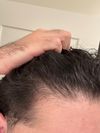
A 24-year-old female experiencing hair shedding for 8-9 months suspects it may be due to stress or birth control pills. She plans to consult a dermatologist and gynecologist for further insight.
The user has been using minoxidil for almost 6 months and finasteride for almost 4 months, experiencing significant shedding and minimal stabilization. They are considering switching to dutasteride if no improvements are seen and are advised to be patient, as results may take up to 2 years.
The user has seen hair regrowth after 6 months using finasteride, minoxidil, and topical finasteride, and is considering whether to continue or opt for a hair transplant. Others shared experiences with shedding and encouraged continuing the regimen for more results.
The conversation discusses a user's positive experience with hair regrowth using topical finasteride, minoxidil, and microneedling after 2.5 months, noting initial shedding but improved hair density, especially at the temples, possibly eliminating the need for a hair transplant. The user is satisfied with the current treatment and is hesitant to try the experimental drug RU58841, hoping the current routine will suffice for further improvements.
The user experienced significant hair regrowth after using finasteride, minoxidil, and derma stamping, despite an initial heavy shedding phase. They also take omega-3, zinc, biotin, and folic acid daily, and report improved confidence and hair strength.
The user experienced significant hair regrowth using topical finasteride and minoxidil but faced a prolonged shedding phase, leading them to increase the finasteride dose and add oral dutasteride. Despite concerns about shedding, they remain hopeful for regrowth and are supplementing with Vitamin D.
The user experienced hair regrowth using finasteride every other day and topical minoxidil but is currently going through a shedding phase. Despite the shedding, progress is evident, and users suggest patience and possibly adding microneedling to improve results.
An 18-year-old male is experiencing significant hair shedding, particularly from the back of his head, despite normal blood test results except for slightly low vitamin D. A dermatologist prescribed minoxidil for receding temples, but the cause of the shedding remains unclear.
The user experienced significant hair shedding and dryness after starting minoxidil 8 months post-hair transplant, despite using finasteride and oils like castor and pumpkin seed oil. They expressed concern over the loss of density and the appearance of a failed transplant.
The user experienced a sudden and severe hair loss after 1.5 years of successful treatment with finasteride and minoxidil. They plan to check their thyroid and vitamin D levels as potential causes.
A 20-year-old FTM individual started finasteride for hair loss with initial success but experienced increased shedding after 7 months. They are considering oral minoxidil as advised by their doctor to address the worsening hair loss.
A 28-year-old male shares his 12-step hair regrowth routine, including finasteride, minoxidil, RU58841, LLLT, dermarolling, various shampoos, supplements, and a healthy diet. He seeks advice on microneedling frequency and mentions experiencing lowered libido and occasional scalp inflammation.
A user experienced significant hair shedding and thinning 10 months post-hair transplant despite using minoxidil and topical finasteride. They are considering switching to oral finasteride or dutasteride and are also dealing with scalp conditions like seborrheic dermatitis.
The user increased finasteride to 1mg daily, stopped using ketoconazole and pyrithione zinc shampoos, and started using regular pH balanced shampoo with tea tree oil, rosemary/peppermint oil, and microneedling. They are now seeing new hair regrowth at the hairline and temples.
The user is experiencing sudden hair loss and is considering micro-needling, low-level light therapy, iron supplements, folihair, and Omega 3. They are hesitant to start finasteride, suspecting the hair loss might be due to telogen effluvium from a past COVID-19 infection.
A 28-year-old male shares his hair loss journey, starting with a hair transplant in February 2024 and using finasteride, later switching to dutasteride in January 2025. He has not used minoxidil and is satisfied with the results, despite some side effects like temporary nipple pain and a spike in libido.
The user is using topical minoxidil, topical finasteride, microneedling, and Nizoral shampoo for hair regrowth. Other users suggest the appearance of regrowth might be due to brushing hair differently.
The user, SnooDonuts9235, shares their positive experience with a hair transplant and using topical finasteride and minoxidil. They express concern about increased shedding and ask if it is normal. Other users compliment their results and ask about the clinic and procedure details. SnooDonuts9235 encourages others to consider a hair transplant even without taking oral finasteride and shares that the procedure was not as scary as they initially thought.
The user is using a combination of finasteride, dutasteride, oral and topical minoxidil, PRP, and stem cell treatments for hair loss. They report slowed shedding and new vellus hairs on the hairline, questioning if they are a strong responder to the treatment.
The user documented hair regrowth progress over 8 weeks using Minoxidil foam twice daily and weekly microneedling. Another user suggested adding finasteride for better results.
A 25-year-old male with androgenetic alopecia experienced improved hair condition after using finasteride, oral minoxidil, and dutasteride, but later faced diffuse thinning and texture deterioration after a shedding phase. Others suggest patience, continued treatment, and using ketoconazole shampoo, with some sharing similar experiences of post-shed thinning.
The user experienced severe hair shedding and thinning about a year after a hair transplant, despite using finasteride and minoxidil. They are concerned about whether the transplanted hair can regrow or if it is miniaturizing.
The user noticed increased hair loss over the past three years and is seeking advice. A suggestion was made to consult a dermatologist or trichologist and consider blood tests, particularly for vitamin D levels, to address potential androgenetic alopecia (AGA).
The conversation discusses hair loss where only short, thin hairs are being shed after 16 weeks of using dutasteride, with no visible regrowth. One response suggests that shedding short hairs is a positive sign, indicating that the hair follicles are still active and responding to treatment.
The user experienced significant hair regrowth using 1mg oral finasteride, topical minoxidil, keto shampoo, and monthly derma stamping. Results appeared after about four months, with noticeable temple hair lightening.
A 29-year-old male with diffuse thinning plans to start minoxidil and finasteride soon but is concerned about potential shedding before a big event in late April/early May. He is considering whether to start treatment now or wait until after the event.
The user is experiencing a significant hair shed at 10 months but sees improvement compared to 4 months ago. They are using Hims products, Feel Confident shampoo, Nizoral, a light therapy cap, and The Ordinary hair serum.
The user is experiencing hair loss and is considering using finasteride again, along with ketoconazole shampoo and curl cream, to manage their long hair. They are concerned about the appearance of new hair growth and the potential shedding phase from minoxidil.
The user experienced hair loss after a hair transplant and stopped using finasteride and minoxidil temporarily, as advised by their medical team. They resumed the treatments and are hopeful for regrowth, attributing the current hair loss to shock loss and shedding.