The conversation discusses whether using 0.1% topical finasteride alongside 0.5 mg oral finasteride is excessive, with suggestions to choose either oral or topical treatment. The user also uses 5% minoxidil and mentions concerns about alcohol-based solutions due to seborrheic dermatitis.
Various hair loss treatments were tried, including coconut oil, dermarolling, finasteride, Zix, minoxidil, and RU58841. The most effective combination was RU58841 and minoxidil, which halted hair loss and thickened hair without significant side effects.
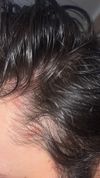
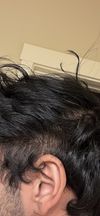
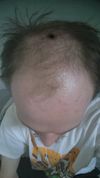
The user is experiencing scalp irritation and hair thinning, possibly due to stress, with red patches on the face and dry skin. They are considering seeing a dermatologist and have used tea tree and rosemary oil.
A user reversed hair loss using 10% sulfur soap, which reduced scalp inflammation and possibly demodex mites. The user did not use finasteride or minoxidil, suggesting inflammation may contribute to hair loss.
Finasteride isn't improving hair loss, possibly due to prior accutane use, which may have caused additional shedding. The user is concerned about ongoing hair loss despite treatment.
The user has been using topical minoxidil and finasteride for 1.5 years, which has thickened existing hair but left some areas thin. They suspect the treatment may be causing dandruff or seborrheic dermatitis and are seeking advice.
The conversation is about hair loss and treatments, with suggestions to use finasteride or dutasteride as DHT blockers and minoxidil for regrowth. Oils and shampoos are considered ineffective for androgenic alopecia without these medications.
A 21-year-old was diagnosed with early-stage androgenetic alopecia and prescribed only minoxidil 5% and ketoconazole shampoo by a dermatologist, who advised against finasteride for now. The user is skeptical about starting minoxidil due to concerns about increased hair loss.
The user has been treating hair loss with finasteride, dutasteride, oral minoxidil, and pyrilutamide for several years without success and is experiencing an inflamed scalp, possibly due to seborrheic dermatitis. They are seeking advice on additional treatments after these methods failed to improve their condition.
A 31-year-old male with low normal-range testosterone and DHT is experiencing significant hair loss from the front scalp. He has tried Minoxidil, vitamin D3 and B12 supplements, and exercises regularly but is still seeking the root cause and effective treatment.
The conversation discusses using isotretinoin (Accutane) to reduce scalp oiliness and manage scalp issues like seborrheic dermatitis, inflammation, and chronic itch. A user shares that taking 20mg of Accutane every other day effectively reduces oily hair and skin.
Ketoconazole shampoo can be very drying, especially for curly hair, and may not be suitable for those who need to maintain moisture. Some users suggest using oils or masks to mitigate dryness, while others recommend avoiding it unless necessary for conditions like dandruff.
The user is experiencing flaking and shedding while using oral finasteride and minoxidil, which might be seborrheic dermatitis. A suggestion was made to try ketoconazole shampoo or cream and consider CBD with MCT oil, as shedding is common when starting these treatments.
The trichologist avoids recommending Minoxidil, focusing instead on changing medications monthly for seborrheic dermatitis, resulting in only slight improvement in hair quality and loss. The user is considering starting Minoxidil independently due to slow progress and personal distress.
Male pattern baldness can occur with or without an oily scalp, but an oily scalp and seborrheic dermatitis can worsen the condition. Treatments like finasteride, minoxidil, and ketoconazole shampoo are used, and managing diet and scalp care can help control symptoms.
A 28-year-old is using 0.5mg dutasteride and 2.5mg oral Minoxidil to improve front hair growth. They are seeking additional recommendations for enhancing hair in the front.
The conversation is about a user's hair loss treatment regimen, which includes daily finasteride, topical minoxidil, derma rolling, and Nizoral shampoo. Opinions vary on the effectiveness of the regimen, with some users suggesting additional treatments like oral minoxidil and dutasteride, while others debate the presence of a scalp fungus and the impact of microneedling.
Dutasteride can cause hair shedding, which may start around the fourth month of treatment. The user is concerned about whether this shedding is due to the medication or the progression of hair loss.
The user experienced initial success with topical minoxidil and dutasteride mesotherapy but is now losing more hair and unsure if it's due to shedding or ineffective treatment. They are considering whether to try a different approach.
OP saw positive results from 4 months of finasteride, vitamin D3, and microneedling. They plan to add rosemary and castor oil but decided against using minoxidil.
A user asked if olive oil can replace propylene glycol or glycerin in topical finasteride preparation. Another user advised against it, suggesting MCT oil instead due to olive oil's potential to worsen dandruff and seborrheic dermatitis.
A 20-year-old discusses family denial about his hair loss, diagnosed with seborrheic dermatitis, folliculitis, and male pattern baldness. He is prescribed Dutasteride and oral Minoxidil for treatment.
A 26-year-old reported significant hair regrowth using finasteride daily for six months and topical minoxidil for four months, with no side effects. Others shared mixed experiences, mentioning additional methods like dermarollers and tretinoin.
DHT promotes beard growth but causes scalp hair loss due to inflammation and fibrosis. Treatments like finasteride and minoxidil help with hormonal signals and blood flow but don't address underlying inflammation.
The conversation discusses skepticism towards unconventional hair loss remedies, emphasizing the effectiveness of proven treatments like oral DHT blockers, topical minoxidil, and finasteride. It criticizes misleading advice and highlights the importance of starting effective treatments early.
Hair shedding can still occur after long-term use of finasteride, and it is often part of the natural hair cycle. Some users consider adding minoxidil or switching to dutasteride to manage shedding.
Finasteride users often experience itchy scalps, which may improve over time, but many rely on ketoconazole shampoo to manage symptoms. Some users find that finasteride helps with hair shedding, but not with scalp irritation, which may require additional treatment.