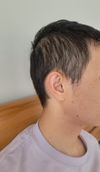
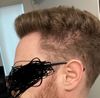
The user is experiencing excessive hair thinning and is unsure of the cause. They are seeking opinions on treatments like Minoxidil, finasteride, and RU58841.
A 20-year-old using minoxidil, weekly microneedling, biotin, vitamin D3, rosemary oil, and saw palmetto shampoo for hair regrowth. The user is in the shedding phase and hopes for better results in months 3-6.
The user experienced hair regrowth using dutasteride daily, microneedling weekly, and Nizoral shampoo, after stopping minoxidil due to side effects. They also use a mix of pumpkin seed, rosemary, and peppermint oil, and are considering RU58841 for more temple area thickness.
User applied topical Minoxidil 5% and Finasteride 0.1% daily, with rosemary oil weekly, and saw initial baby hair growth. They plan to add derma stamping and Redensyl serum.
A 28-year-old is experiencing early signs of balding and is using a routine that includes oral minoxidil, topical dutasteride, microneedling, and ketoconazole shampoo. They are seeking advice on the effectiveness of oral minoxidil with microneedling and the reliability of their product sources.
A user in their early 20s is concerned about minor hair thinning and is considering a hair loss regimen involving PRP sessions, mesotherapy with dutasteride injections, and low-dose finasteride. They dislike minoxidil due to its greasiness and prefer a routine that is easy to maintain.
The conversation is about a 21-year-old using finasteride, dermarolling, ketoconazole shampoo, hair growth serums, and exosome therapy to treat early-stage thinning on the crown. They are questioning if these treatments are sufficient to improve hair thickness.
A user with Androgenetic Alopecia is seeking advice on hair growth treatments while planning for pregnancy. Current routine includes LaserCap, Nizoral Shampoo, scalp massage, The Ordinary Multi Peptide Serum, vitamin D, prenatal vitamins, and SEEN shampoo.
A user seeks a lotion for an inflamed, itchy scalp caused by DHT, asking for options that promote blood flow and contain hair vitamins like caffeine and biotin. Another user suggests using a mix of mustard oil and coconut oil.
The conversation discusses hair loss and treatments like finasteride, minoxidil, and ketoconazole shampoo. Users suggest scalp massages, warm showers, and other methods to address scalp tension and tight spots, with some mentioning the potential effects of medications like escitalopram and probiotics.
The user is frustrated with the lack of visible hair regrowth after 7-8 months of using finasteride and minoxidil, despite initial vellus hair growth. Others suggest patience, switching to oral minoxidil, or using additional treatments like dermastamping, microneedling, and red light therapy.
A 37-year-old male stopped using finasteride and minoxidil due to side effects and switched to derma rolling, scalp massaging, and Revita shampoo, resulting in thicker, healthier hair with new growth. Users discuss the effectiveness of mechanical scalp stimulation, with some sharing similar positive experiences and others expressing skepticism.
The conversation discusses using essential oils like rosemary, peppermint, pumpkin seed, jojoba, and possibly saw palmetto for hair regrowth. It invites users to share their mixes and routines for these treatments.
User shared 8-month hair loss treatment progress using topical fin/min, topical dut, mk677, RU, and microneedling. They experienced watery semen as a side effect but saw significant improvement in hair growth.
The conversation discusses improvements to a platform and mentions hair loss treatments including Minoxidil, finasteride, RU58841, and melatonin. It also highlights the addition of features like Google login, reply by email, keyword extraction, and a term glossary for better understanding of hair-related terminologies.
Pumpkin Seed Oil and Perilla Oil (with alpha-lipoic acid, linoleic acid, and oleic acid) are discussed as potential 5alpha-reductase inhibitors. The conversation focuses on their effectiveness for hair loss treatment.
The user experienced increased hair shedding after taking a multivitamin containing selenium and questioned if selenium was the cause. The conversation revolves around the potential negative effects of selenium on hair health.
Using a silicone scalp massager may help with dandruff and potentially improve the absorption of minoxidil and finasteride. The user has noticed peach fuzz growth after using minoxidil for over a month and finasteride for almost a month.
SCUBE3 and GT20029 are potential treatments for hair loss, with SCUBE3 stimulating hair growth and GT20029 protecting against DHT. A combined approach using SCUBE3, finasteride or dutasteride, and later GT20029 could provide a comprehensive treatment for androgenetic alopecia.
The conversation discusses hair loss treatments, specifically Breezula, Minoxidil, finasteride, and RU58841. Participants express curiosity about Breezula's safety and its steroidal nature.
A 28-year-old male using Tugain 10 minoxidil, Finpecia 1mg finasteride, Cipla Ketoconazole shampoo, and dermarolling 0.5mm weekly for 3-4 months is seeing some hair regrowth. Encouragement is given to continue the regimen.
A user shared their 20-week progress using topical minoxidil (5%) and finasteride (0.1%) with a 1mm dermastamp, showing significant hair regrowth from NW5 to between NW3V and NW4. They experienced no side effects and plan to update at 12 months.
Oleic acid and microneedling are being explored for hair regrowth, but results are mixed. Addressing DHT and fibrosis is crucial, with treatments like finasteride, minoxidil, and scalp massage also discussed.
The conversation discusses a hair loss treatment routine involving daily minoxidil, finasteride, micro-needling, rosemary oil, and biotin supplements. The user shares personal experiences, noting no side effects from finasteride and emphasizing the importance of a healthy lifestyle in preventing hair loss.
The user reports progress in hair regrowth using finasteride every other day, topical minoxidil once daily, ketoconazole twice a week, and Vitamin D3 with zinc. They note improvement in temple areas and the appearance of baby hairs.
GT20029 showed promising results for hair growth in a Phase II trial, with the 1.0% twice-weekly regimen being the most effective. Some users expressed skepticism and humor about the product's effects and market availability.
Rhamnose may promote hair growth and pigmentation, suggesting it as a potential hair loss treatment. The conversation discusses its potential alongside known treatments like Minoxidil, finasteride, and RU58841.
The user shared progress pictures of their hair journey, noting good results after initial shedding but experiencing a second, more intense shed. They use topical Minoxidil twice daily, Tretinoin at night, oral finasteride daily, and ketoconazole shampoo weekly.